To use the rake in your yard, you need to adjust the height of the rake, put on your safety gear and start raking the soil by holding the handle and walking slowly across it. Work in sections, removing debris as you go and leveling the soil. Repeat the process as needed, and remember to clean and store the rake properly after use.
Landscape rake uses
Landscape rakes are designed to level the soil, remove debris, leaves, and grading, and create a harmonious foundation for your landscaping work. By using a landscape rake, you can achieve a polished and professional-looking landscape that will appeal to the eye.
Landscape rakes are among the most versatile and valuable tools. In this article, we’ll look closer at their purpose, the advantages associated with their use, and what constitutes a true landscape rake.
The benefits of effectively using a landscape rake
There are many benefits to your landscaping projects from the effective use of a landscape rake:
Adequate soil preparation: Rake landscaping allows you to accurately prepare the soil for planting, seeding, or laying turf. They help remove rocks, level the surface, and provide optimal conditions for healthy plant growth.
Improved drainage: Using rake landscaping, you can create proper drainage channels, preventing water accumulation and potential damage to your plants and landscape elements.
Improved Aesthetics: Rook landscaping creates a visually appealing and well-maintained soil appearance. It helps create an even surface, eliminates irregularities, and creates a blank canvas for landscaping ideas.
What is a landscape rake?
A landscape rake, also known as a garden rake or soil rake, is a specialized tool designed to perform landscape design tasks.
They have a long handle attached to a broad head with evenly spaced tines. These tines can be made of metal, plastic, or both. The head of the rake landscaping can come in various widths, allowing you to choose the right size depending on the scale of your project.
Rake Landscaping is designed to provide optimum control and accuracy for various landscaping jobs. Their sturdy construction ensures durability, and the evenly spaced tines promote efficient soil manipulation and debris removal.
How to use a landscape rake?
An effective landscape rake requires little more than dragging it across soil, gravel, or other surfaces to level and smooth it out. Here is a step-by-step guide on how to use one effectively:
Materials Needed:
- Landscape rake
- Work gloves (optional)
- Work boots
- Wheelbarrow or tarp (for collecting debris)
Steps:
- Select the Right Rake: Choose a landscape rake with the appropriate width for your area. Landscape rakes come in various sizes, so pick one that matches the size of the area you want to work on.
- Wear Appropriate Gear: Wear gloves and sturdy work boots to protect your hands and feet while working.
- Prepare the Area: Remove any large debris, rocks, or obstacles from the area you’ll be raking. This will help prevent damage to the rake and smooth the raking process.
- Adjust the Rake Angle: Hold the landscape rake with the tines (the curved metal teeth) facing downward. Adjust the rake angle to be slightly tilted forward (tines facing the direction you’ll be moving). This angle allows the tines to grab and level the surface effectively.
- Begin Raking: Start at one end of the area and slowly drag the landscape rake towards you, using long, sweeping motions. The tines will dig into the soil or surface and collect any loose debris, creating an even and smooth finish. Keep a steady pace to ensure consistent results.
- Overlap Strokes: As you move along, slightly overlap each pass you make with the rake. This ensures that you cover the entire area and avoid leaving uneven patches.
- Collect Debris: If you’re raking up grass clippings, leaves, or other debris, periodically stop and gather the debris in a wheelbarrow or tarp to keep the work area clean.
- Pay Attention to High and Low Spots: As you rake, pay attention to areas that might be higher or lower than the surrounding surface. Use the rake to redistribute soil or material as needed to create a uniform and level surface.
- Inspect Your Progress: Pause occasionally to assess your progress and make any necessary adjustments. This is particularly important if you aim for a specific grade or slope.
- Final Touches: Once you’ve raked the entire area, take a final look to ensure the surface is level and smooth. Make any additional passes if needed.
- Cleanup: Collect and dispose of any remaining debris properly. Clean the landscape rake to remove any dirt or debris that may have accumulated on the tines.
- Maintenance: After use, clean the landscape rake thoroughly to prevent rust and ensure its longevity. Store it in a dry place, away from the elements.
Remember, using a landscape rake may take some practice before reaching the desired results, but with time you will become adept and efficient at leveling surfaces for landscaping projects.
Landscape rakes and their main components
A landscape rake consists of several vital components that contribute to its functionality:
Handle: The handle provides the grip and control needed to maneuver the rake. It is usually long, allowing you to use the rake comfortably while standing and reaching different landscape areas.
Nozzle: The nozzle of a rake landscaping is where the action takes place. It consists of tines or teeth, which can be made of metal or plastic. The tines can be close together for finer work or more comprehensive for heavier work. The width of the head can vary, providing versatility for various landscaping jobs.

Types of landscape rake available on the market
There are many types of rake landscaping on the market to meet different needs:
Garden rakes with sturdy metal tines are suitable for leveling soil, removing debris, and preparing garden beds. It’s a versatile tool for general landscaping.
Leaf rakes with plastic or flexible metal tines are great for picking up leaves, grass clippings, and other light debris from lawns and garden areas. They have a broader head and are ideal for cleaning up large areas.
Landscape rake -also known as grading rakes, landscape rakes typically have more widely spaced, durable metal tines. They are used to flatten and level soil, spread gravel, and create a smooth surface for seeding or planting.
A rock rake is a special landscaping tool used to pick up and remove rocks and debris from the ground. It is especially useful for clearing rocky areas, preparing soil for planting, or creating a smooth surface for construction projects.
There are two basic types of landscaping rakes: hand rakes and machine rakes.
Hand rakes are hand tools commonly used by gardeners and homeowners for small landscaping projects. They are usually made of durable wood, metal, or plastic materials. Hand rakes have a long handle with a row of tines. These rakes are versatile and can be used for various tasks such as picking up trash, spreading mulch, leveling the soil, and leveling surfaces.
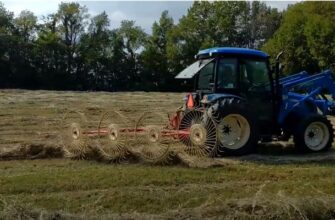
There are also specialized landscaping rakes designed to be attached to machinery or equipment such as tractors, loaders, or forklifts. These rakes are bigger, more reliable, and can handle heavier landscaping tasks. They often have adjustable tilt angles and several rows of sturdy tines. Machinery rakes are usually used for larger landscape projects, such as grading and leveling large areas, clearing vegetation, or preparing the soil for construction.
Both types of rakes serve specific purposes and are designed for different scales of landscape projects. The choice between manual and machine rakes depends on the scale of the project, the equipment available, and the level of efficiency and productivity desired.
The purposes and functions of a landscape rake
Landscapers rake serve a variety of purposes and perform important functions in landscape design projects, including:
Leveling and Grading: Landscaping rakes are used to level uneven surfaces, remove bumps and create a smooth surface for planting or construction.
Debris Removal: The teeth of a landscape rake help pick up and remove rocks, sticks, leaves, and other debris from the landscape, ensuring a clean and tidy appearance.
Soil Preparation: Rakes play an essential role in preparing the soil for seeding, planting, or laying sod. They help break up clods, remove weeds, and create an optimal environment for healthy plant growth.
Preparing the area and choosing the right rake for landscaping
Before beginning any landscaping project, you must lay the groundwork for success. This includes preparing the area and choosing the right landscaping rakes.
Landscaping Preparation
Before you can get started on your landscaping tasks, you need to prepare appropriately. Consider the following steps:
- Inspect the area: Walk through the intended area and estimate the work needed. Identify specific areas needing attention, such as uneven terrain, overgrown vegetation, or high trash areas.
- Clear the area: Remove any large rocks, branches, or debris that may interfere with the raking process or damage equipment.
- Evaluate the soil’s condition: Evaluate the soil’s state and determine if additional measures, such as aeration or soil fertilizer, are needed for optimal results.
- Remove large debris: Clear the surface of any large debris, stones, or branches that may interfere with the raking process. This will help ensure smooth, unobstructed movement when using a landscaping rake.
- Trim vegetation: Trim any overgrown vegetation, such as long grass or bushes, that may interfere with raking. This will improve visibility and accessibility when working on the landscape.
- Choose the right rake: Choose the right type of landscaping rake for your specific task and the characteristics of your landscape.
- Protective Equipment: Wear appropriate protective equipment, including gloves, safety glasses, and sturdy shoes, to keep yourself safe while landscaping.
Evaluate the condition of the soil and the necessary preparations
Before using a landscaping rake, it is important to assess the condition of the soil and make any necessary preparations.
Consider the following steps:
Check soil moisture: Assess the moisture content of the soil. If the soil is too dry, lightly water it before raking to make it more pliable and easier to work with.
Assess how compacted the soil is: Check how compacted the soil is by pressing the garden fork lightly into the ground. If soil penetration is brutal, aerate the soil with a garden fork or mechanical aerator to improve drainage and root growth.
Make soil amendments (if necessary): Depending on the condition of the soil, you may need to add soil amendments such as compost, organic matter, or fertilizer to improve its quality and nutrient content. Follow the recommendations for choosing a specific additive.

Choosing the right rake for your landscape design
Choosing the right landscaping rake is critical to achieving the desired results.
Consider the following factors when choosing a landscaping rake:
Task Requirements: Determine what specific task you need the rake for, such as leveling the soil, spreading mulch, or removing debris. Different tasks may require a rake with different head widths, line types, and handle lengths.
Rake type: Choose a garden rake, leaf rake, or landscape rake, depending on the nature of your project. Each type has specific features that make it suitable for different tasks.
Quality and Durability: Choose a high-quality landscaping rake that can withstand all the demands of your project. Look for sturdy construction, durable tines, and a comfortable grip on the handle.
Tine Material: Choose a rake with metal or plastic tines depending on the nature of your project and personal preference.
Head Width: Consider the width of the rake’s head as it affects the surface area and the efficiency of your work.
Handle length: Choose a handle length that is comfortable for your height and allows you to assume a proper raking position.
Differences between metal and plastic tine rakes
Rakes with metal and plastic tines have distinctive characteristics that make them suitable for different purposes:
Rakes with metal tines tend to be stronger and more durable. They are ideal for hard work such as leveling soil, removing rocks, and spreading gravel. Metal tines also resist bending or breaking under pressure better.
Rakes with plastic tines are lighter and more flexible. They are well suited for work on delicate surfaces such as raking leaves, grass clippings or spreading mulch. Plastic tines are less likely to damage the ground or sensitive plants.
Recommendations based on the intended use and specific landscape design needs
Consider the following recommendations based on the intended use and specific needs when selecting a landscape rake:
- Garden rakes: Garden rakes with metal tines are recommended for leveling the soil, removing debris, and preparing the soil for planting or seeding.
- Leaf Rake: Choose a leaf rake with plastic tines if your main task is to rake leaves and grass clippings or distribute light materials such as mulch.
- Landscape rakes: If you have a larger landscape project that requires grading, spreading gravel, or creating a level surface, a rake with sturdy metal tines and a wider head may be a better choice.
Techniques for using a landscape rake
To make the most of your rake landscaping, follow these guidelines:
Start with a clean surface: Clear the area of large debris, rocks, and other obstructions before you begin.
Use the correct stance and grip: Stand with your feet shoulder-width apart and hold the rake’s handle firmly. This will provide stability and control while raking.
Apply even pressure: Apply even pressure when raking to ensure even distribution and alignment of materials.
Work in sections: Divide the area into manageable sections and work one section at a time. This will help you maintain control and achieve an even result.
Overlap strokes: When working large areas, slightly overlap each stroke to ensure thorough coverage and minimize missed spots.
Basic techniques: Pushing and pulling
The two basic techniques for using rake landscaping are pushing and pulling.
Each technique has its purpose and benefits:
Pushing: Pushing rakes are ideal for tasks that require moving or spreading materials such as soil, mulch, or gravel. It allows you to cover large areas efficiently.
Pulling: Pulling landscaping rakes are adequate for tasks that require leveling or grading surfaces. They help create smooth, even surfaces by removing excess material or redistributing it.
Step-by-step instructions for each technique
To master the push and pull technique, follow these step-by-step instructions:
Pushing Technique:
Position yourself behind a rake landscaping with your feet shoulder-width apart.
Place your hands on the handle slightly wider than shoulder-width apart, providing a firm grip.
Lean forward slightly, using the core for stability.
Move the rake in a controlled motion, pushing evenly through the area.
Maintain a steady pace and overlap each stroke slightly to ensure even coverage.
Pulling technique:
Position yourself in front of the rake so your feet are shoulder-width apart.
Place your hands on the handle a little wider than shoulder-width apart, keeping a firm grip.
Lean back slightly, keeping the weight evenly distributed.
Pull the rake toward you with controlled effort, using your hands and upper body strength.
Watch the tines penetrate the surface and level the materials as you pull.
Repeat the motion, moving smoothly over the area, overlapping each stroke to achieve an even result.
Tips for maintaining a steady pace and achieving the desired results
To maintain a steady pace and achieve optimal results when using a landscaping rake, consider the following tips:
Body Position: Maintain a steady and balanced body position throughout the process. This will provide better control and reduce strain on your muscles.
Consistent pressure: Apply consistent pressure to your rake landscaping to ensure an even distribution of materials and to achieve an even surface.
Regular breaks: Take short breaks during long raking sessions to prevent fatigue and maintain concentration and efficiency.
Precision and attention to detail: Pay attention to detail, ensuring the rake covers the entire area without leaving gaps or unevenness.
Advanced uses and tips
Once you’ve mastered the basic techniques, you can learn additional techniques and use additional tips to improve your rake landscaping skills further:
- Angle raking: Experiment with rakes at different angles to achieve specific patterns or create textured surfaces in your landscape design.
- Raking technique: Use the “feathering” technique by slightly lifting the rake at the end of each stroke. This will help create a smooth transition between raked and unraked areas, improving the overall appearance.
- Teamwork: Working with a partner to increase efficiency for larger projects is best. One person can push the materials while the other pulls the rake, ensuring a smoother process.
- Regular maintenance: Keep your rake landscaping clean and clear of debris to keep it efficient. Remove any jammed materials from the tines and handle to prevent damage or reduced performance.

Additional techniques for specific landscaping jobs
When it comes to specific landscaping jobs, rakes can be used for the following techniques:
Leveling the soil: To achieve an even surface, spread the soil evenly with a pushing motion. Then switch to a pulling motion to smooth out any bumps or uneven areas. Repeat this process until the soil is level to your specifications.
Spread mulch: To distribute mulch, use a pushing technique to distribute the mulch over the desired area evenly. After spreading, switch to a pulling motion to make sure the mulch is evenly distributed and at the correct depth.
Tips for working on uneven surfaces, compacted soil, or large areas
When working on uneven surfaces, adjust your technique accordingly. Pay particular attention to areas that require more careful leveling or filling.
Use a pulling technique to redistribute materials and achieve a flatter surface.
If you encounter compacted soil, apply extra force using a landscaping rake. This will help loosen the soil and improve its texture. Consider using pushing and pulling techniques to break up compacted areas.
When working with large areas, divide the space into smaller areas. Focus on one area at a time, using successive strokes to ensure thorough coverage. Take breaks as needed to maintain your pace and prevent fatigue.
Recommendations for using a rake landscaping in combination with other tools
To optimize your landscaping results, use a rake in combination with other tools:
Shovels: Use a shovel to remove large debris or rocks from the surface before raking. This will prevent damage to the rake and provide a smoother rake.
Wheelbarrow or garden cart: Use a wheelbarrow or garden cart to transport materials such as soil, mulch or gravel to the desired location. This will make the process more efficient and save time.
Gardening gloves: Wear gardening gloves to protect your hands when working with a rake. This is especially important when working with materials that can cause irritation or splinters.
Common mistakes to avoid
Excessive tillage: Avoid excessive raking or tilling, as this can disturb the soil structure and damage the plant root system. Watch the level of force applied and try to find a balance between thoroughness and gentleness.
Neglecting maintenance: Regularly inspect your landscaping rake for damage or wear. Replace broken or worn tines to maintain rake efficiency. Clean the rake after each use to prevent the accumulation of debris.
Raking wet soil: It is best to avoid raking wet soil, as this can cause lumps and compaction. Wait until the soil has dried slightly before raking.
Rushing: Take your time and work systematically. Rushing your work can lead to uneven surfaces, missed spots, and unsatisfactory results. Remain patient and focused throughout the job.
Remember that practice and experience will improve your technique and rake efficiency. Pay attention to the specific needs of your landscaping project, adapt your techniques accordingly, and enjoy the process of creating a beautiful outdoor space.
Common mistakes people make when using a rake landscaping
One common mistake when using a landscaping rake is applying too much force or pressure. This can lead to excessive removal of soil or materials, resulting in an uneven surface. Another mistake is using rakes with damaged or worn tines, which can affect their effectiveness and lead to poor brake performance. In addition, neglecting to clear the area of large debris or stones before raking can damage the rake or create obstructions during operation.
The consequences of these mistakes and how to avoid them
These mistakes can have several consequences. Excessive force can result in overwatering the soil, disturbing its structure, and negatively affecting plant growth.
Using a damaged rake can lead to inefficient raking, requiring more time and effort to achieve the desired results. If the area is not cleared of debris, the rake can get stuck or damaged, creating a safety hazard.
It is essential to use proper force and avoid excessive pressure to avoid these mistakes. Inspect the rake regularly for damage and replace worn tines to ensure optimal performance. Clear the area of debris before raking to prevent possible problems.
Tips for troubleshooting potential problems or difficulties
If you encounter problems or difficulties using a landscape rake, use the following troubleshooting tips:
- If the soil is too compacted, moisten it slightly before raking to make it easier.
- If the rake is stuck, gently rock it back and forth or lift it slightly to release it from the obstacle.
- If the rake is not picking up and distributing material effectively, check for debris clogging the tines and remove it.
Safety Precautions
When using a landscaping rake, it is essential to follow basic safety precautions:
- Do not use a landscape rake near people or pets to avoid accidents and injuries.
- Be aware of your surroundings and watch for hidden obstacles or uneven terrain.
- Do not exert excessive force, leading to muscle strain or injury.
The importance of wearing appropriate protective gear:
When using a landscaping rake, it is essential to wear appropriate protective gear. Protective gloves provide a barrier between your hands and possible sharp objects or irritants. Safety glasses or glasses protect your eyes from debris or flying particles. Also, sturdy shoes help prevent injuries from accidental tripping or slipping.
Tips for preventing injuries and providing a safe work environment:
To prevent injuries and provide a safe work environment when using a landscape rake, consider the following tips:
Warm up before you start working with the rake to prepare your muscles.
Take breaks as needed to prevent fatigue and maintain focus.
Communicate with others nearby to avoid collisions or accidents.

My experience with practical applications
As a user, I have experience using hand rakes and those attached to equipment rakes for various landscaping applications. Each serves a different purpose and provides distinct advantages in different landscape environments.
Hand rakes are versatile tools that are perfect for smaller projects. Offering great precision and control, hand rakes make light work of tasks such as leveling soil, spreading mulch, or clearing debris in tight or hard-to-reach spaces. Their lightness and maneuverability allow me to move quickly around fragile plants or structures; I appreciate their flexible nature because I can adjust rake angle/pressure according to specific task needs; furthermore, they’re highly portable, allowing for free-roaming around my landscape without heavy machinery being necessary.
Landscape rakes connected to equipment provide both efficiency and power for larger projects. Specifically designed to work with machines such as tractors or loaders, such rakes allow me to cover large areas quickly and efficiently while moving large rocks, leveling uneven surfaces or clearing away significant debris quickly. Furthermore, their adjustable settings allow precise sorting, leveling, and picking up debris – an invaluable feature that streamlines my workflow, increasing productivity while simultaneously taking on complex jobs with ease.
When choosing between hand rakes and equipment rakes, I keep the scale and nature of my project in mind. Hand rakes are ideal for small, detail-oriented tasks that require precision and maneuverability – they provide the versatility and control necessary to produce results. On larger projects that necessitate efficiency over large areas, equipment rakes become my tool of choice thanks to their robust features, adjustable settings, and seamless integration with machinery integration capabilities allowing me to work more efficiently towards optimal results.
At the end of the day, choosing between hand rakes and equipment-mounted rakes ultimately depends on your landscape project’s requirements and specifications. Both kinds of rakes offer their specific strengths and applications.
Video about landscaping rake for tractor
Conclusion
Uses for landscape rake is a versatile and essential tool with many uses for outdoor projects. By understanding how to use a landscape rake effectively, individuals can achieve professional-grade results in various tasks, such as leveling soil, spreading mulch, clearing debris, and grooming surfaces.
Learning how to use a landscaping rake properly involves techniques like angling the tines for optimal material distribution and applying consistent pressure to achieve desired outcomes. Whether you’re a homeowner looking to enhance your garden or a landscaping professional aiming for precision, mastering the uses and techniques of a landscape rake can significantly contribute to the overall success and aesthetics of outdoor endeavors.