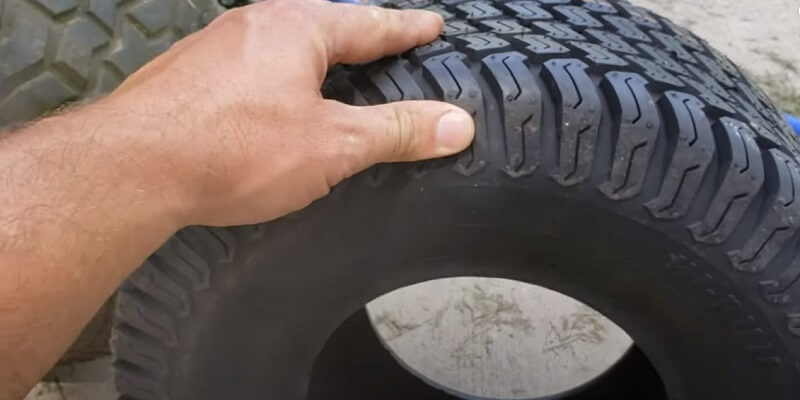
Replacing tire on lawn tractor may seem like a daunting task at first glance, especially if you are new to the task. However, fear not, because with the right tools, a little knowledge, and a willingness to learn, the task is doable and manageable. The satisfaction of changing a tire on your lawn tractor yourself is hard to overestimate.
About Lawn Tractor Tire Replacement
Lawn tractor tires, like any other vehicle, are subject to wear and tear. These tires are subjected to significant stresses during the lawn care process. Over time, they can wear out or unfortunately go flat due to being hit by a sharp object or the general aging of the tire.
Knowing how to replace a tire on a lawn tractor can not only save you time, but it can also be cost-effective. You won’t have to wait for professional help or pay for services. This skill will allow you to get back to lawn care quickly and keep your lawn in pristine condition.
In this guide, I will take you step by step on how to replace a tire on a lawn tractor. I will provide the necessary guidance and tips to make this process smooth and successful so you can confidently handle the task yourself. Let’s dive into the lawn tractor tire replacement process and break it down in detail.
Tools For Changing A Tire On A Lawn Tractor
Before you start replacing tire on lawn tractor, it’s best to gather all the tools you need. Here is a detailed list of what we will need:
- A sturdy jack is a must for safely lifting the tractor off the ground, providing the necessary clearance to remove the old tire and install the new one.
A socket wrench is essential for loosening and tightening the nuts securing the wheel to the tractor. Make sure it is suitable for the specific size of the wheel nuts securing the wheel to the tractor. - Pliers are useful for a variety of jobs, such as removing cotter pins or handling small parts that may get in the way.
- Make sure you have a new, compatible tire ready to install. The new tire must match the tractor specifications to ensure proper fit and performance.
- Use a tire pressure gauge to check the tire pressure and make sure the new tire is inflated to the manufacturer’s recommended level.
- Soap or tire lubricant– Applying a soap solution or specialized tire lubricant to the tire bead and rim before mounting the tire can make the mounting process much easier. The lubricant reduces friction, making it easier for the tire to slide over the rim. This can be especially helpful in tight or unyielding fits.
- Tire irons or tire spoons (mounting spoons): These are special tools designed to remove the tire from the rim. They have a curved shape that helps maneuver and press the tire bead against the rim.
- Bead breaker tool: this tool helps to break the bead of the tire off the rim. It usually consists of a handle and a foot designed to apply pressure and create a gap between the bead and the rim.
- Heat gun (optional). Heating the tire bead with a heat gun can soften the rubber, making it more pliable and easier to remove from the rim.
- Tire changing machine (optional). Having a tire-changing machine can make the process much easier. These machines are designed to assist in mounting and removing tires from rims.
Having all of these tools prepared and on hand, before you start changing tires will make the job easier, more efficient, and more enjoyable. Now that everything is ready, let’s get to changing the tire.
Prepare the lawn tractor
Safety is paramount throughout the entire tire-changing process. By following these precautions, you can reduce risks and create a safe environment to complete the task efficiently:
- Level surface. Start by placing the lawn tractor on a flat and level surface. This stability is important to prevent accidental rolling or moving of the tractor during tire changes. Avoid slopes and bumps that can make the tractor unstable.
- Engage the parking brake. Engage the tractor’s parking brake to safely immobilize the tractor. This will provide an added level of safety by preventing unintentional movement that can occur while working on the tire.
- Turn off the engine. The tractor engine must be turned off before starting work. This eliminates the risk of the tractor starting unexpectedly while changing the tire and prevents possible accidents.
Raise the tractor with the jack
Determine a firm and level surface to place the jack on.
Locate the jack mounting points: These are usually indicated by small notches or marks on the frame. Installing the jack at these points provides stability and prevents damage.
Place the jack at the designated point. Make sure it is centered and properly aligned to distribute the weight evenly.
Begin pushing down on the jack handle in a steady and controlled manner. Stop when the tractor rises to a height high enough to easily remove the old tire.
Before removing the tire, give the tractor a gentle push to make sure it is firmly in place.
Following these steps and being careful will allow the lawn tractor to be lifted safely with the jack. This will provide the necessary clearance for an unobstructed tire change and make the process efficient and safe.
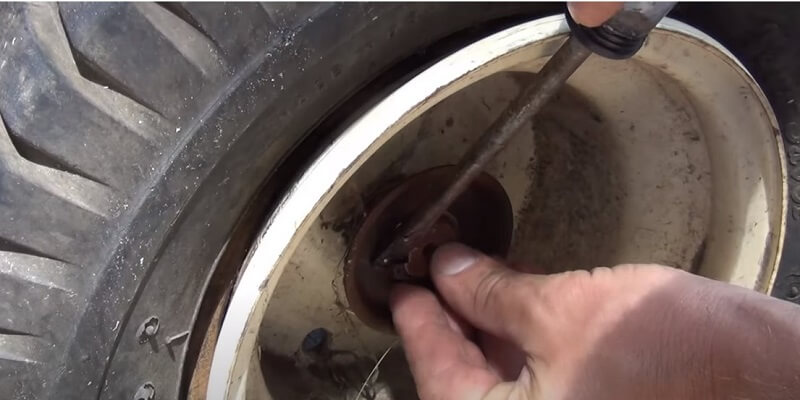
Removing Lawn Tractor Tire
In my experience, utilizing three tire irons provided the necessary leverage to effortlessly and efficiently remove the old tire.
First, identify the nuts securing the tire to the wheel hub. These are usually located in the center of the wheel.
Slide the lug wrench over the first nut and make sure it is secure. Loosen the nut by applying counterclockwise pressure.
Gradually loosen each nut by turning the lug wrench counterclockwise in a crisscross pattern (opposite the lug nuts). This pattern helps to relieve pressure on the tire.
Continue loosening each nut with the wrench until they are all sufficiently loosened. However, do not remove them completely at this stage.
Once all the lug nuts have been loosened, position the jack so that the tractor is raised slightly higher, providing clearance for easy removal of the old tire.

When the lug nuts are sufficiently loosened and the tractor is raised, unscrew them completely with a wrench.
Gently pull the old tire toward you when all the lug nuts are removed. If the tire is stuck due to rust or other factors, tap it lightly with a rubber mallet to free it from the hub.
While the tire is removed, take a moment to inspect the wheel hub for any damage or debris that may need attention.

How To Change A Lawn Tractor Tire
Removing a tire from a lawn tractor rim is a simple process.
First, deflate the tire completely to make the process easier.
Next, position the tire to allow easy access to the rim. Next, carefully insert the tire mounts between the tire bead and the rim and use them to push the tire away from the edge of the rim.
Work your way around the tire, gradually loosening and prying until the tire is detached from the rim. Finally, carefully remove the tire from the rim, being careful not to damage either the tire or the rim during the process.
Removing the tire from the rim of your lawn tractor can actually cause some difficulties.
Here are a few tricks that will make the process a little easier for you:
Heat the bead: Using a heat gun or warm water, gently heat the bead of the tire where it meets the rim. The heat will cause the rubber to expand slightly and it will be easier to separate it from the rim.
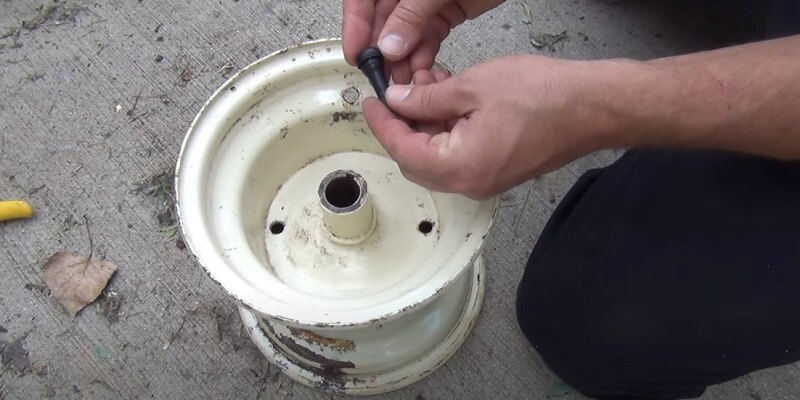
Lubricants: Apply a lubricant, such as soapy water or tire mounting fluid, along the tire bead where it meets the rim. This helps reduce friction and makes it easier to remove the tire from the rim.
I found it beneficial to apply a bit of soapy water on the tire beads, which significantly eased the process of sliding the tire onto the rim during installation.
Use the mounts strategically: place the mounts at regular intervals around the circumference of the tire. Apply even pressure and gently use the levers to pull the tire off the rim. Work gradually by moving the irons along the bead.
Apply physical force. While caution is key, sometimes a little muscle can help. Press down on the tire with your body weight while prying with a tire iron to separate the bead from the rim.
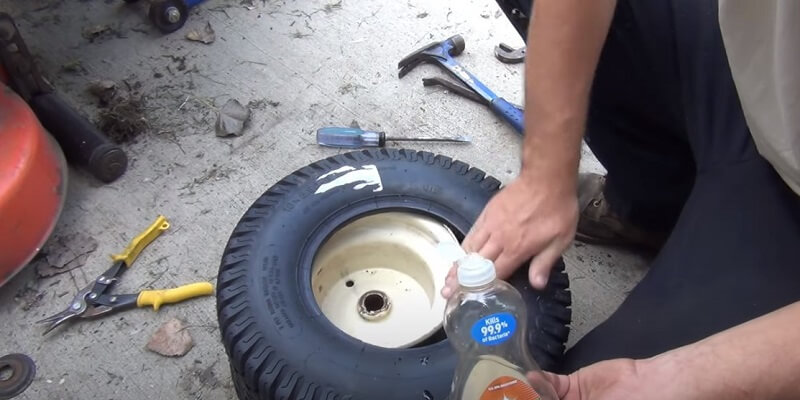
Use a bead breaker tool: If available, a bead breaker tool will help separate the bead from the rim, creating a gap that will make it easier to remove the tire.
Tire changer: If possible, use a tire changer, which can be purchased at some service centers or auto stores. These machines are designed to efficiently remove and mount tires from rims.
It may take several attempts and adjustments to successfully remove the tire from the rim.
Installing Lawn Tractor Tires On Rims
Apply a small amount of tire grease or soapy water to the bead area of the tire. This will make it easier to slide the tire onto the rim.
Carefully lift the tire and align the bead (inner edge of the tire) with the rim, starting from the top. Move gradually, pressing the tire down so that it is flush with the rim.
If necessary, use a tire iron or tire spoon to help slide the tire over the rim. Place the tire iron between the tire bead and the rim and gently press the tire against the rim.
As you move, continually check that the tire sits evenly on the rim to prevent imbalance.
Once the tire is placed on the rim, run your hands around the circumference to make sure the tire sits evenly.
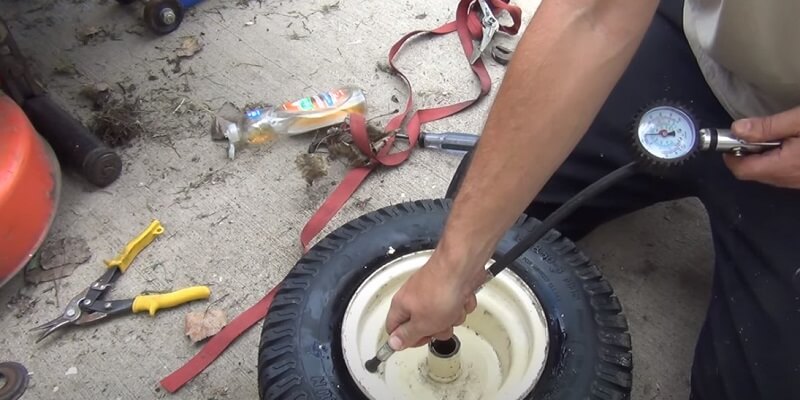
Attach an air compressor or pump nozzle to the valve stem on the rim. Gradually inflate the tire to the recommended pressure specified by the tire manufacturer.
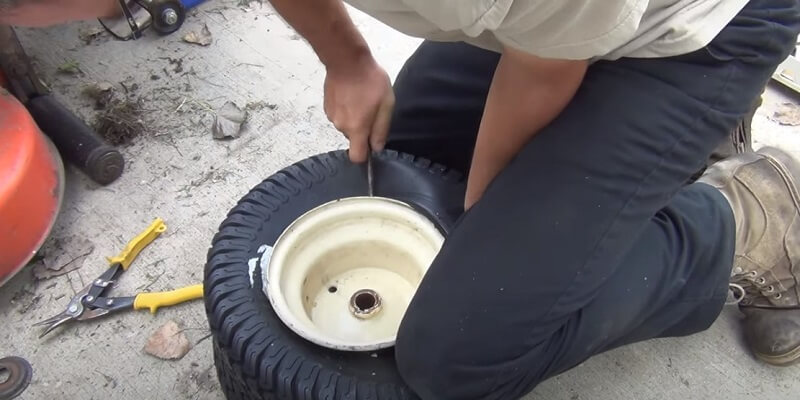
Gradually inflate the tire, checking the tire pressure periodically with a tire pressure gauge.
Inflate the tire to the manufacturer’s recommended pressure. This information can often be found on the tire sidewall or in the tractor operator’s manual.
Installing a new tire
Lift the new tire and align it with the wheel hub, making sure that the holes in the rim line up with the bolts on the hub.
Carefully guide the tire onto the wheel hub, making sure the holes for the mounting nuts align perfectly with the bolts.
Begin manually threading each nut onto the corresponding bolt. The initial hand tightening ensures that the tire is secure before fully tightening the nuts.
Using a locking wrench, begin tightening the nuts in a star or cross pattern. Tighten nuts gradually and evenly to ensure proper pressure equalization and distribution.
Once all the lug nuts are securely fastened, go around in a star pattern, tightening each lug nut even tighter to ensure a snug fit. Be careful not to overtighten the nuts as this can damage them.
Inspect the tire to make sure it sits evenly on the wheel hub. If necessary, adjust it by lightly pushing or pulling on the tire.
Slowly and carefully lower the tractor with the jack, making sure the tire is firmly seated on the ground.
Checking tire pressure and alignment
Once the tires are installed, tire pressure and alignment should be checked to ensure optimum performance.
Use a tire pressure gauge to measure the tire pressure and make sure it is within the manufacturer’s recommendations. Proper tire pressure is key to tire longevity and tractor performance.
Visually inspect the tire to make sure it is properly aligned on the wheel hub. A properly aligned tire provides even wear and a smooth ride.
Test the tractor
Before completing the tire replacement, perform a brief test to make sure the new tire is working properly.
Turn the tractor on and let it run for a while to make sure there are no unusual sounds or vibrations associated with the new tire.
Test Drive: Take a short test drive on the tractor, evaluating the tire’s performance, handling, and overall functionality. Note any signs of wobble or imbalance.
Tractor tire maintenance tips
Monitor tire pressure and maintain it according to the manufacturer’s recommendations. Underinflated or overinflated tires can affect performance and wear.
Regularly clean tires of debris, dirt, and foreign objects. Clean tires provide better traction and durability.
Store the tractor in a dry and cool place. Exposure to adverse conditions can cause the rubber and tire structure to deteriorate, shortening the life of the tire.
Avoid over-tightening lug nuts as this can cause damage to the wheel or bolts.
Be alert to signs of tire damage such as cuts, punctures, or bulges, and take timely action to repair or replace the tire.
Conclusion
Lawn tractor tire replacement is something every lawn tractor owner may need. Armed with the right tools, and following a systematic approach, you can replace a tire yourself, allowing you to get back to lawn care quickly and confidently.
If you’re looking for a more visual and detailed demonstration of how to replace a tire on a lawn tractor, check out this video.
How To Change Tire On Lawn Tractor-VIDEO
FAQ
Can a punctured lawn tractor tire be repaired?
Yes, if the puncture is small and in the tread area, it can often be repaired with a tire repair kit.
How often should I check my tractor tire pressure?
Check tire pressure at least once a month and before each mowing season.
Can a car jack be used to lift the tractor?
This is not recommended. For safety and stability, use a jack specifically designed for tractors.
What type of tires are best for the lawn mower?
Choose tires based on your specific needs. Lawn tires provide good traction without damaging the grass.
How long do lawn tractor tires typically last?
The lifespan of lawn tractor tires varies, but with proper care, they can last between 5 and 10 years.