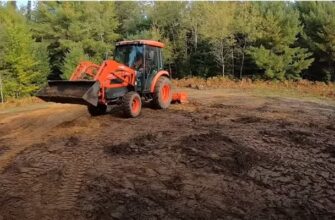
To pour water into your tractor tires, you will need some equipment: a tractor, a water source, a valve stem tool, a pressure gauge, as well as valve stem extensions and cold weather water preservation fluid.
First, locate the valve stems on the tractor tires and remove the caps. Using the valve stem tool, push on the valve stem to release air from the tire.
Then set the tractor on a level surface to ensure even filling. Connect a hose or water source to the valve stem and slowly begin filling the tire with water, monitoring the tire pressure with a pressure gauge. Follow the manufacturer’s recommendations for proper pressure, which may vary depending on the size of the tractor.
In colder climates, water-preserving fluid should be added to prevent freezing. Continue to fill the tire to the desired weight or pressure, being careful not to overfill.
After filling, remove the hose, install the valve core with the valve stem tool and check for visible leaks. Tighten the cap to protect the valve core from debris.
If multiple tires need to be filled, repeat the procedure for each tire. Test the tractor’s stability and handling by driving it a short distance to ensure it meets your needs.
Proper tire ballasting is crucial for tractor owners seeking optimum performance. One effective method of achieving this goal is to add water to the tractor tires.
This guide aims to give tractor owners a detailed understanding of how to put water in tractor tires, the process, benefits, and best practices associated with water ballasting.
Choosing The Right Liquid Ballast
Filling your tractor tires with liquid ballast is a smart move to maintain tire pressure and increase traction. Among the most common options is water, but you can also choose antifreeze, calcium chloride, or polyurethane foam.
Adjusting ballast levels is easy if you have the right tools and technique. Once you get the hang of it, you can effortlessly increase or decrease the liquid ballast pressure in your tires as needed! What types of fluid you can use to balance your tires:
- Water is an economical choice: Water is a favorite because it is inexpensive and available. Water is the way to go if you want to fill a few tractor tires without spending money. However, remember that water can freeze in freezing weather (below 32 °F or 0 °C) and make your tire sluggish.
- Antifreeze dilution for cold climates. Mixing water with antifreeze in a 50/50 ratio can prevent freezing in freezing regions. This combination ensures that ballast won’t pull your tractor down when temperatures plummet. Choose a non-toxic antifreeze for plant and animal protection and know it can prevent freezing at temperatures as low as -40 °F (-40 °C).
- Calcium chloride for extreme cold: Calcium chloride is the best solution for frigid climates (e.g., -50 °F or -46 °C). Mixing it with water according to the package’s instructions will give you an economical and freeze-resistant ballast solution. Just be aware that calcium chloride can slightly damage the metal parts of your tire.
- Polyurethane foam is durable and expensive. If you’re looking for a more durable, albeit expensive, option, polyurethane foam meets the bill. Filling this heavy liquid ballast requires the help of a mechanic, making it more expensive but effective. Do not attempt this with your own hands, as leaks while the tractor is in motion are more likely to occur.

Why Put Water In Tractor Tires
Adding water to tractor tires, known as water ballasting, enhances stability, traction, and weight distribution.
This cost-effective technique lowers the center of gravity, reducing rollover risks on uneven terrain. Improved traction minimizes slippage, making tractors more efficient for heavy tasks. It’s a strategic choice for safer and more productive operations.
Improved Stability And Traction
Tractors often operate on uneven terrain and rugged landscapes. Adding water to tractor tires dramatically improves stability and traction. The extra weight created by the water prevents the tractor from tipping over, especially when doing work involving lifting heavy loads. Improved grip reduces slippage for safer and more efficient operation.
Cost-effective Ballasting Solution
Compared to other ballast materials, water is a cost-effective option.
The availability and affordability of water make it an attractive choice for tractor owners. This solution is precious for those who require temporary ballasting or frequently change the tractor weight distribution. The cost-effectiveness of water ballasting allows tractor operators to achieve desired performance without straining their budgets.
Filling Tractor Tires With Water
When filling tractor tires with water for ballasting, choosing the right type of water is crucial.
Opt for distilled or deionized water to prevent corrosion and rusting inside the tires. Tap water may contain minerals that lead to damage over time. Prioritize water purity for optimal tire longevity and performance.
Distilled Water vs. Tap Water
When choosing water for ballasting, the choice between distilled water and tap water is important.
Distilled water is free of impurities, which prevents possible corrosion inside your tires. On the other hand, tap water may contain minerals that can lead to rusting. To ensure the longevity of your tires, it is recommended to use distilled water.
Calculating The Amount Of Water Needed
It is critical to calculate the exact amount of water needed for optimal ballasting.
Overloading or underloading your tires can affect the stability and performance of your tractor. Manufacturers often provide guidelines for recommended ballasting weights. By considering factors such as tractor weight, tire size, and the task at hand, you can accurately determine the amount of water needed.
Tool To Put Water In Tractor Tire
Using tire valve extenders is a crucial tool for adding water to tractor tires. These extenders provide easy access to valve stems buried within wheels due to added weight.
They ensure a safe and convenient process, facilitating accurate water injection and enhancing tractor stability and performance.
- Tire Valve Extensions: These extensions make it easier to access valve stems that can be difficult to reach due to the extra water weight. The extensions provide a secure connection, ensuring a smooth ballasting process.
- Funnel and Hose Setup: The funnel and hose setup simplifies the task of adding water to tires. The funnel provides a controlled channel for draining water, while the hose ensures that the water reaches the tire valve stem without spilling. This setup minimizes mess and ensures accurate ballasting.
How To Put Water In Tractor Tires
This process, known as water ballasting, involves adding water to enhance stability and traction. By following proper steps, such as using valve extenders and maintaining the right pressure, you can improve tractor efficiency and safety for various tasks and terrains.
Safely Position The Tractor
Before starting the ballasting process, make sure the tractor is on a level surface and the parking brake is engaged.
This prevents any accidents during the procedure.
Removing The Valve Core
Using the valve core removal tool, carefully remove the valve stem rod. This step releases air from the tire, making room for water.
Installing The Valve Extension
Securely attach the tire valve extension to the valve stem. This extension makes it easier to add water by providing easier access.

Using The Funnel And Hose To Put Water
Insert the funnel into the valve expander and use the hose to fill the tire with distilled water. Add water slowly, giving time for air to escape.
Checking Tire Pressure
After adding water, check the tire pressure with a tire pressure gauge.
If necessary, adjust the amount of water to achieve the desired pressure.
Re-installing The Valve Stem Rod
Once the desired pressure has been achieved, reinstall the valve stem rod using a puller. Make sure it is sealed tightly to prevent water leakage.
Tips for Successful Water Tire Ballasting
Achieve successful water ballasting for tractor tires with these tips.
Drive the tractor to distribute water evenly, enhancing stability and traction. Monitor tire pressure post-ballasting and make necessary adjustments. These strategies ensure optimal performance and longevity while navigating diverse terrains and tasks with confidence.
Distribute Water Evenly
To ensure balanced weight distribution, drive the tractor after ballasting to ensure the water is evenly distributed inside the tire.
Regularly Check Tire Pressure
Monitor tire pressure regularly to detect any leaks or pressure fluctuations. Address any problems promptly to maintain optimum performance.

Problems And Troubleshooting Water-Filled Tires
Address problems in water-filled tractor tires with troubleshooting. Prevent freezing in cold weather by adding antifreeze. Regular maintenance, like draining and inspecting, counters corrosion and ensures longevity. Safeguard traction and tire health while countering potential challenges posed by water-filled tires in various working conditions.
Freezing At Low Temperatures
In freezing weather, tire water can freeze and affect tractor performance. Consider using calcium chloride or antifreeze to prevent freezing.
Effect On Tire Durability
While water ballast offers immediate benefits, it is essential to note that prolonged use of water-filled tires can lead to corrosion and shorten tire life. Regular maintenance and inspection is essential.
Removing Fluid From Tires
Regular fluid removal helps prevent issues like corrosion, which can occur over time due to the presence of moisture within the tires.
Corrosion can damage the rims and valve stems, affecting tire performance and overall safety. By draining the fluids and inspecting the interior of the tires, you can identify and address potential corrosion early, thereby extending the lifespan of your tractor tires.
- Prepare the area: Place a basin under the valve stem to collect the fluid, especially if you are using antifreeze, calcium chloride or polyurethane foam.
- Rotate and remove the valve core. Turn the tire with the valve core facing down and make sure it points straight down to the ground. Unscrew the valve core and the fluid will begin to drain.
- Allow it to empty: Allow the tire to completely drain all the liquid into a basin or onto the ground. Once drained, you can either reattach the valve core or refill the tire if it is still in use.
Remember, these steps apply to each of the four tires on your tractor. If you removed the tires, be sure to reattach them to restore ballast pressure.
Ensuring Proper Weight Distribution
When considering water ballasting, it’s important to think about weight distribution.
Uneven weight distribution can lead to many problems, including impaired steering, excessive tire wear, and reduced fuel efficiency. Water ballasting addresses these issues by providing an effective means of balancing weight across the tractor axles. This balance is essential for tractors equipped with front loaders or other attachments, where uneven weight distribution can affect maneuverability and overall productivity.
Influence Of Terrain And Task
Different terrains and tasks require different levels of ballast.
For example, adding water to your tractor tires can significantly improve stability and prevent tipping if you work on hilly terrain. Similarly, if you’re doing heavy-duty work such as plowing or tilling, the added weight from water ballast can improve traction and prevent wheel slippage, resulting in more efficient operation.
Tire Inflation Tips
Proper tire inflation is the most important aspect of water ballast.
By adding water, you significantly increase the overall weight of the tire. This additional weight can decrease tire pressure, which will affect the tire’s contact area with the ground. It is vital to monitor and adjust tire pressure after water ballast to ensure optimum tire performance and longevity.

Long-term Maintenance
While water ballast provides immediate benefits, it is important to consider long-term maintenance.
Over time, water ballast can lead to internal corrosion of rims and valves due to moisture. Regular maintenance should include periodic water draining and checking the inside of the tire for signs of rust or corrosion. The introduction of corrosion inhibitors can help mitigate this problem.
Compatibility With Different Types Of Tires
Water ballasting is compatible with various types of tractor tires, including radial and diagonal tires.
However, it is important to read the tire manufacturer’s recommendations to ensure compatibility and avoid potential problems. With their flexible sidewalls, radial tires can provide additional benefits from water ballasting, promoting a smoother ride and improved traction.
Environmental Considerations
While water ballast has many benefits, it is important to consider its environmental impact.
When draining water from your tires, follow disposal guidelines that comply with local regulations. Also, since water ballasting can increase fuel consumption due to the additional weight, consider using water ballasting if necessary and select other ballasting methods if possible.
Fuel Efficiency Considerations:
The trade-off between ballasting for thrust and its impact on fuel efficiency is often discussed. While ballasting can reduce slippage and improve efficiency in some scenarios, it is important to find a balance to avoid excessive fuel consumption.
Filling Tractor Tires With A Mixture Of Salt And Water
Filling tractor tires with a salt and water mixture is a practice that has generated interest and discussion in online forums among tractor enthusiasts.
Here’s what forum members typically advise and what they recommend avoiding when it comes to filling tractor tires with a salt and water solution:
- You can often achieve effective weight distribution by using salt and water. This mixture can provide the extra weight needed for stability and traction, especially for heavy-duty tasks.
- Many people appreciate the cost-effectiveness of using a salt and water solution as a ballasting method. Salt is relatively inexpensive and readily available, making it an attractive option for people on a tight budget.
One notable advantage of this method is the ease of weight adjustment. You can fine-tune the ballasting by varying the salt concentration to suit different tasks and terrain.
Recommendations For Successful Ballasting When Using Salt
Prioritize non-corrosive salt types to prevent tire and rim damage. Maintain proper salt-to-water ratios to achieve optimal weight distribution. Regularly inspect for signs of corrosion and ensure safe disposal practices, safeguarding your tractor’s performance and longevity on the field.
- Correct ratios: Incorrect gear ratios can lead to problems such as uneven ballasting, corrosion, and unbalanced tire pressure.
- Type of salt: When choosing salt, many suggest choosing non-corrosive options such as agricultural salt or water-softening salt. This choice helps mitigate potential damage to tire rims and valves.
- Regular maintenance. Regular maintenance is critical to prevent corrosion and other problems. Periodically draining the solution and inspecting the inside of your tires can help identify any problems early.
While this practice has its benefits, including efficient weight distribution and cost-effectiveness, it is critical to adhere to recommended ratios, choose non-corrosive salt options, and perform regular maintenance.
Frequently Asked Questions About Water In Tires
Can I use any type of water?
Distilled water is recommended to prevent mineral buildup and corrosion. Tap water may contain impurities that can damage tires.
How much water should be added?
The amount of water depends on factors such as tractor weight and tire size. Manufacturers often provide recommendations. Aim for proper weight distribution without overloading the tires.
Will water ballast affect my tractor’s warranty?
In most cases, adding water ballast to your tractor’s tires is unlikely to void your warranty. However, it is wise to consult with the manufacturer or dealer of your tractor to ensure compliance.
Can I use fluids other than water?
I recommend caution when using fluids other than water to ballast tractor tires. While some suggest using antifreeze to prevent freezing in cold climates, it is important to dilute it properly to avoid overweighting and potential tire damage. Corrosive or damaging fluids, such as certain types of chemicals, are generally not recommended due to the risk of tire and rim damage.
What is the ideal weight distribution?
The ideal weight distribution between a tractor’s front and rear tires can vary depending on specific applications and terrain.
How does ballasting affect fuel efficiency?
While ballasting can improve traction and reduce slippage, improving efficiency for specific tasks, it is essential to strike a balance. Excessive ballasting can significantly lead to unnecessary fuel consumption when the added weight exceeds what is needed to accomplish the task.
What is the impact on soil compaction?
While ballasting can improve traction, stability, and overall performance, it is essential to consider the potential negative impact on soil health. Extra weight can increase soil compaction, especially when working on sensitive or well-tilled fields. Consider the trade-off between traction and soil impact and use ballasting methods that minimize soil compaction when working on farmland.
Conclusion
Water ballasting is a method that has significant potential to improve tractor performance in a variety of scenarios. By considering factors such as weight distribution, terrain, tire type, and long-term maintenance, tractor owners can take advantage of water ballast by making informed decisions. This approach improves performance and contributes to the longevity of the tractor and its tires.
When it comes to liquid options, the classic choice is water – economical and versatile. In cold climates, antifreeze prevents freezing and maintains performance. In extreme cold, calcium chloride is excellent, although it can be corrosive to metal parts. And if you’re willing to invest the money, polyurethane foam is a serious contender, although it does require professional handling.