Garden Pull Tractor
Building a pulling garden tractor involves modifying a standard garden tractor to improve its performance in garden tractor pulling competitions.
You’ll want to start with a sturdy base to build a pulling garden tractor. Look for a garden tractor with a solid frame and durable construction. Once you have your tractor, upgrade the engine to handle the increased load. This may involve installing a larger carburetor, improving the exhaust system, and tuning the engine for optimal performance. Reinforce the chassis to withstand the strain of pulling heavy loads. This could include welding additional supports and braces to strengthen weak points. Upgrade the transmission to handle the added power and torque. This might entail installing a heavy-duty transmission or modifying the existing one with stronger gears and components.
Enhance traction by adding weights to the front and rear of the tractor. These weights improve stability and prevent wheel slippage when pulling heavy loads. Install a hitch or pulling bar to the tractor’s rear to securely attach pulling implements or sleds. Adjust the suspension system to provide better stability and traction while pulling. This could involve upgrading shocks, springs, and other components to handle the increased load. Finally, thoroughly test the tractor under load to ensure everything works correctly and make any necessary adjustments for optimal performance. With these steps, you can easily build a powerful pulling garden tractor ready to tackle heavy-duty tasks.
Interested in tractor-pulling competitions?
Learn the essential steps of how to build a pulling garden tractor for these events. Building a pulling garden tractor involves modifying various components for maximum power and traction.
Building a pulling garden tractor can be a rewarding project for those who are into gardening and mechanics with their own hands. A pulling garden tractor, or a pulling tractor or garden tractor puller, is a modified garden tractor designed to compete in tractor-pulling events. In these events, tractors pull heavy sleds around a track, testing the power and strength of the machine. In this guide, we will take you step by step through assembling a pulling garden tractor.
What Is a Pulling Garden Tractor?
A pulling garden tractor is a specialized machine built for tractor towing. Tractor towing is a competitive motorsport in which modified tractors pull weighted sleds around a track. The winner is the tractor that can pull the sled the greatest distance. Pulling tractors are designed to create maximum pulling power and traction to accomplish this goal. Learn the art and science of how to build a pulling garden tractor that can dominate the pulling track.
Critical Components Of a Garden Tractor Pulling
In the world of competitive tractor pulling, the performance of these machines depends on carefully designed components.
Every element – from powerful engines to specialized transmission systems and weight distribution mechanisms – plays a key role in achieving the required traction power. Examining these critical components provides insight into the engineering precision required to turn an ordinary garden tractor into a traction powerhouse.
If you’re passionate about tractor pulling, this guide will walk you through how to build a powerful garden tractor for the competition.
Engine: The engine is the heart of the tractor. It is often a high-performance engine modified to increase horsepower and torque. Common modifications include upgraded fuel systems, turbochargers, and improved cooling systems.
Chassis: The chassis is the foundation for the tractor. It is designed to distribute weight for traction and stability efficiently. Chassis modifications may include strengthening the frame and adding weights for balance.
Transmission. Pulling tractors often have specialized transmissions that can handle increased power. Some tractors use multiple transmissions to find the best combination for maximum pulling power.
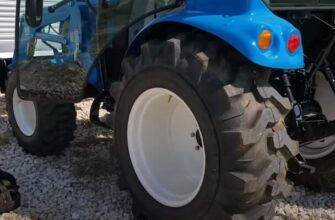
Tires and wheels. Towing tractors require special tires designed to grip the track and transfer power efficiently. Wider rear tires, and sometimes dual wheels, usually improve traction.
Weight distribution. Proper weight distribution is critical to traction. Pulling tractors have adjustable weights that can be moved to balance the front and rear for optimal traction efficiency.

How To Build a Pulling Garden Tractor
Embark on a journey of mechanical mastery as we delve into the art of building a pulling garden tractor.
Follow this comprehensive guide to understand the step-by-step process of how to build a pulling garden tractor.
Step 1: Research And Planning
Before you start, research the rules and regulations of tractor-towing competitions in your area. This will give you a clear idea of the requirements for your pulling garden tractor. Plan the modifications you will need to make based on the rules.
Step 2: Choose a Tractor
Choose the right garden tractor as the base for your pulling garden tractor. Look for a model with a sturdy frame and engine. Older models can be a good choice because of their simplicity and availability of replacement parts. Tractors from well-known brands with a history of reliability are often preferred. Older models are sometimes preferred because of their simplicity, ease of maintenance, and availability of spare parts. For example, classic models from brands such as John Deere, Cub Cadet, and Wheel Horse are popular among tractor enthusiasts.
Step 3: Engine Modification
Upgrade your engine to increase power and performance. This may include installing a larger carburetor, adding a turbocharger, or modifying the exhaust system. Be sure to follow proper tuning procedures to avoid engine damage.
Step 4: Chassis Reinforcement
Strengthen the chassis to support the load of the tractor pulling. Reinforce weak points and weld additional supports where necessary. Ensure the tractor frame is strong and can withstand the forces applied.
Step 5: Upgrade The Transmission
Upgrade the transmission to handle the increased power of the modified engine. Consider installing beefed-up gears or a racing transmission to increase performance during pulling.
Step 6: Tires And Rims
Invest in high-quality traction tires designed to grip the track. Wider rear tires can provide better traction. Some builders also opt for dual wheels on the rear axle for added stability.
Step 7: Weight Placement
Strategically place weights on the tractor to optimize weight distribution in the front and rear. This will improve traction and prevent the tractor from tipping over while towing.
Step 8: Testing And Tuning
Before competing, thoroughly test your pulling garden tractor. Fine-tune the engine, transmission, and weight distribution for optimal performance. Practice pulling the sled to make sure everything is working as it should.

Problems And Solutions
Dive into the world of customization and mechanics as you learn how to build a pulling garden tractor from the ground up.
Engine Modifications And Performance
One of the main challenges in building a garden tractor tractor is to modify the engine to increase its performance. Engine modifications require careful tuning and adjustments to ensure increased power is used effectively. It is important to strike a balance between power and reliability. Overly aggressive modifications can lead to engine overheating, premature wear, or even catastrophic failure during pulling. Regular maintenance and proper tuning are key to preventing these problems.
Weight Distribution And Stability
Achieving proper weight distribution is critical to a successful pull. Improper weight placement can result in poor traction, tipping, or even tipping over during pulling. Pulling tractors often have adjustable weights that can be moved to optimize front and rear weight distribution. Proper weight placement increases stability and prevents the tractor from being out of control during competition.
Safety Considerations
Safety should always be prioritized in constructing and operating a pulling garden tractor. The modifications made to the tractor can significantly increase its power and speed. This means that safety features such as rollover protection structures (ROPS) and seat belts are essential to protect the operator during accidents. In addition, proper shielding of moving parts can prevent debris from being thrown around, reducing the risk of injury to the operator and spectators.
Professional Tips For Assembling a Garden Tractor Puller
Discover the intricacies of how to build a pulling garden tractor to optimize its performance on the pulling track.
- Thorough research is vital: Before modifying your garden tractor, research the rules and regulations of tractor towing competitions in your area. Each competition may have specific guidelines regarding engine modifications, weight limits, and safety requirements. Failure to follow these rules may result in disqualification.
- Consult with experienced builders: contact experienced tractor builders and enthusiasts. Join online forums, social media groups, or local clubs dedicated to tractor towing. Interacting with those who have already gone through the process can provide invaluable information, advice, and potential solutions to common problems.
- The balance between performance and reliability. While it’s tempting to aim for the most power possible, remember that reliability is just as important. A balance between power and durability will lead to a more successful pulling tractor. Excessive modifications can lead to frequent breakdowns and frustration, so focus on upgrades that increase performance without sacrificing tractor reliability.
- Start with essential modifications. If you’re new to tractor building, consider starting with essential modifications before delving into more complex changes. Gradually learn about engine tuning, weight distribution, and other important aspects. You can take on more advanced modifications as your knowledge and skills grow.
- Document your process: Keep detailed records of the changes you make and the results you achieve. Documenting your progress will help you track what works and what doesn’t, making it easier to fine-tune your tractor. These records will also be helpful if you decide to share your journey with the tractor community.
- Prioritize safety. Safety should be your top priority throughout the building process. Invest in high-quality safety equipment such as a safety cage or rollover protection structure (ROPS), seat belts, and proper protection. Always ensure your modifications do not compromise the tractor’s stability or harm the operator or onlookers.
- Test thoroughly: Before competing, devote ample time to testing your pulling garden tractor. Conduct test runs to evaluate its performance, handling, and stability. Use these tests to fine-tune weight distribution, engine tuning, and other variables to ensure maximum performance during competition.
- Learn from mistakes. Not every modification will produce the desired results; failure is a natural learning process. Instead of getting frustrated, view failures as opportunities to learn and improve. Analyze what went wrong, seek advice from experienced builders, and adjust your approach accordingly.
- Remain open to adaptation: Tractor towing technologies and methods are constantly evolving. Be prepared to adapt your tractor design and modifications based on new ideas and advances in the field. Following industry trends can give you a competitive advantage.
- Enjoy the process: Building a garden tractor tractor is the result and the journey itself. Embrace the challenges, the learning time, and the satisfaction of watching your creation in action. The camaraderie of enthusiast camaraderie and the excitement of competition are all part of the experience.
By incorporating these professional tips into your approach, you’ll be well prepared for the exciting adventure of building a garden tractor that will stand out in the world of tractor towing competitions.

Actions Not Recommended By Professionals In Garden Tractor Construction
Drawing on the experience of professionals, I will discuss common mistakes and their possible consequences.
- Excessive and uncontrolled modifications. Professionals do not advise making extreme modifications without clearly understanding the consequences. Radical changes to the engine, chassis, or other components can lead to unpredictable results, increased maintenance, and reduced reliability. It is better to approach modifications with a well-thought-out plan and a balanced perspective.
- Neglecting safety precautions is a severe mistake. Professionals strongly discourage assembling or operating a garden tractor without the necessary safety equipment. Ignoring the installation of a safety cage, seat belts, or other safety measures can result in serious injury or even death in the event of an accident.
- Professionals emphasize the importance of following the rules and regulations of tractor towing competitions. Failure to follow these rules can lead to disqualification and disappointment. Prioritize understanding the rules for your chosen competition and build your tractor accordingly.
- Creating a pulling garden tractor is only part of the process. Professionals emphasize the need for consistent and thorough maintenance. Ignoring routine maintenance can lead to unexpected breakdowns and increased costs. Check and maintain your tractor regularly to ensure longevity and optimal performance.
- Professionals caution against rushing through the testing phase. Thoroughly test your pulling garden tractor under various conditions to identify weaknesses or areas for improvement. Rushing into the competition without proper testing can lead to poor results and unnecessary failures.
- While learning from experienced builders is valuable, professionals do not recommend blindly copying modifications without understanding their meaning. Every tractor and rig is unique, and modifications should be customized to your specific model and goals. Understand the “why” of modifications before implementing them.
- Improper weight distribution can negatively impact your tractor’s performance. Professionals recommend carefully calculating and adjusting weight placement for optimal traction and stability. Ignoring this aspect can lead to poor traction, reduced control, or accidents.
- While horsepower is important, focusing solely on increasing horsepower can lead to unbalanced performance. Professionals advise against sacrificing other aspects, such as reliability and control, for pure power. Strive for a comprehensive approach that considers multiple factors.
- Professionals emphasize the importance of proper engine tuning. Improper tuning can lead to poor fuel economy, overheating, and premature wear. If you are unfamiliar with tuning procedures, seek advice from an experienced tuner or mechanic.
- Professionals caution against underestimating the costs associated with building a pulling garden tractor. Tractor modifications can be more expensive than anticipated, and overlooking certain costs can lead to budget overruns and unfinished projects. Plan your budget carefully and consider possible unforeseen expenses.
By avoiding these actions not recommended by professionals, you will be better prepared for assembling a pulling garden tractor with a well-informed and responsible approach. This will ultimately lead to a safer, more reliable, and more enjoyable tractor. You can also reach out to the community, from whom you can always ask for advice and guidance.
Frequently Asked Questions About Building a Pulling Garden Tractor
Question 1: How much does building a pulling garden tractor cost?
The cost of building a pulling garden tractor can vary widely depending on factors such as the initial cost of the tractor, the degree of modifications, and the availability of parts. On average, enthusiasts can spend anywhere from $1,000 to $5,000 or more for a basic build.
Q2: Can I use any type of garden tractor for towing?
While many garden tractors can be modified for towing, choosing a model with a sturdy frame and engine is essential. Older models from well-known brands are often preferred because of their durability and ease of modification.
Question 3: Is it necessary to have mechanical knowledge to assemble a tow vehicle?
While mechanical knowledge can help, resources such as online forums, tutorials, and local clubs can guide the process. If you are new to tractor building, starting with more straightforward modifications is recommended.
Conclusion
Constructing a pulling garden tractor is a project that demands attention to detail, mechanical expertise, and a genuine enthusiasm for both gardening and motorsports. Following the steps outlined in this guide and conducting comprehensive research, you can create a formidable tractor-puller capable of competing in tractor-pulling events.
Safety should always remain a top priority throughout the entire process. It’s crucial to ensure that all modifications are performed correctly and thoroughly tested before participating in any competitions. This includes implementing appropriate safety measures for both the tractor and the operator.
With dedication and careful planning, building a pulling garden tractor can be a rewarding endeavor that combines the joys of gardening with the thrill of competition.