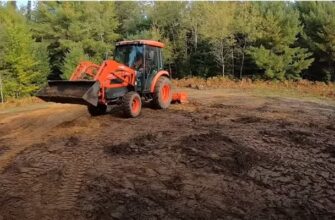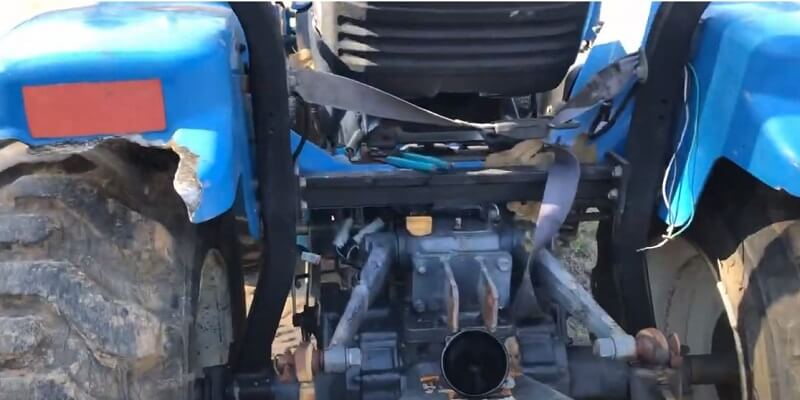
How to check the hydraulic fluid on a New Holland tractor
To check the hydraulic fluid in your New Holland tractor, locate the reservoir, usually near the engine. Ensure the tractor is on level ground and parked securely. Remove the dipstick, wipe it clean, reinsert it, then check the fluid level indicated on the dipstick.
Tractors are essential tools for farmers, and proper maintenance is crucial to ensure their optimum performance and longevity. One of the most important aspects of tractor maintenance is monitoring and maintaining the level and quality of the hydraulic fluid.
The hydraulic fluid is the lifeblood of the tractor’s hydraulic system, which feeds the various components and allows for smooth operation.
Importance of hydraulic fluid in tractors
Hydraulic fluid powers the various components of your tractor’s hydraulic system, ensuring smooth movements and actions. It is the lifeblood of your tractor, the engine that keeps it functional.
Imagine your tractor is a superhero, and hydraulic fluid is its enhancement. It lubricates the system, reduces wear, transfers heat, and keeps all hydraulic systems running at peak efficiency. Without it, your tractor’s performance would be far from super.
Checking the hydraulic fluid level
Alright, let’s get our hands dirty and start with the easiest part – checking the hydraulic fluid level.
Step 1: Finding the reservoir
Finding the hydraulic fluid reservoir is your first task. It’s usually a conspicuous tank located near the tractor engine. Mine is painted bright red, so it’s hard to miss. Just open the hood, and you’ll notice it!
Step 2: Prepare the tractor
Park your tractor on a level surface and engage the parking brake.
You don’t want your tractor to decide to roll while you’re doing the hydraulic fluid. To avoid damage and get an accurate reading, make sure the fluid is already cold and the bucket cylinders and boom are retracted.
Step 3: Check the fluid level
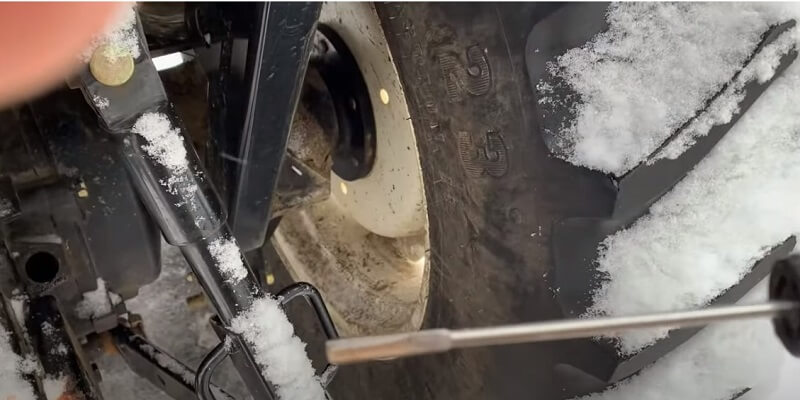
Pull the dipstick out of the tank, wipe it clean, and carefully insert it back in.
Pull it out again, and this time, check the fluid level. The dipstick has markings indicating the appropriate range. Make sure the fluid level is within that range.
Step 4: Add hydraulic fluid
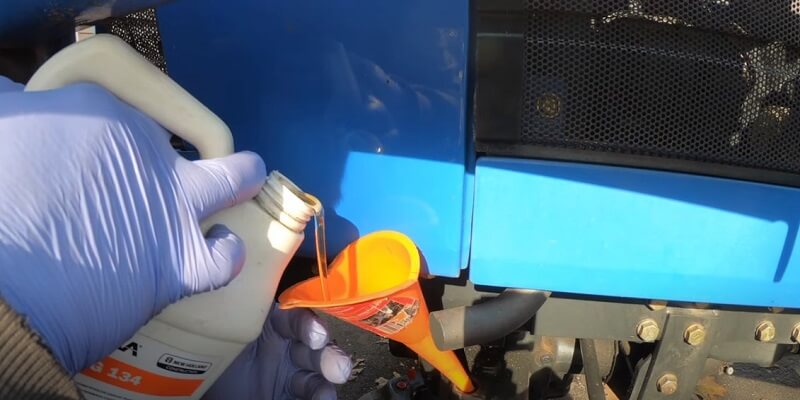
If you find that the fluid level is below the recommended range, it’s time to top off the fluid.
Take your hydraulic fluid with you – always use the type recommended in your tractor’s owner’s manual.
If you need to top off the fluid, you should start by cleaning out any debris or dirt that may have accumulated around the dipstick tube. Remove the dipstick and use a clean funnel to pour the required amount of new oil into the reservoir, being careful not to overfill the reservoir. Carefully pour a little at a time into the reservoir and check the level with the dipstick again. Repeat until the correct level is reached.

Checking the quality of the hydraulic fluid
Step 1: Check the color and clarity
The first thing you need to look at is color and clarity. Fresh, quality hydraulic fluid has a clean, clear appearance. It’s like morning dew, clear and sparkling.
If you notice a sudden change in color or if it looks cloudy or murky, it’s time to sound the alarm. This could signal contamination or deterioration, and you may need to consider replacing the fluid.
Step 2: Check for contaminants
Contamination can cause damage to your tractor’s hydraulic system.
Take a clean white cloth and dip it in the hydraulic fluid. Spin it around and inspect what’s left on the cloth. Are there any particles, dirt, or foreign matter? If so, your fluid is receiving uninvited guests. Contamination can lead to inefficient operation and potential damage.
Step 3: Evaluate the odor
Fresh hydraulic fluid has a mild, somewhat neutral odor. But if you detect an unpleasant odor or a burning smell, it’s cause for concern. It could indicate overheating or degradation. It’s like leaving a cake in the oven for too long – the outcome is not a pleasant one!
Regular hydraulic fluid quality checks can save you serious headaches in the future. It’s like preventive maintenance on a tractor: a stitch sewn in time, as they say, saves nine people.
Hydraulic Fluid Maintenance Tips
Let’s get straight to the treasure trove of wisdom I’ve accumulated over the years on hydraulic fluid maintenance.
- Stick to the schedule: consistency is critical! Check and change hydraulic fluid regularly according to your tractor manual. Don’t play the waiting game; change it when the time comes.
- Quality matters: invest in high-quality hydraulic fluid. It’s like feeding your tractor nutritious food. The better the quality, the longer the life and efficiency of your hydraulic system.
- Be mindful of temperature: Hydraulic fluid behaves differently at different temperatures. It’s like adjusting your jacket as the weather changes. Make sure your fluid can perform optimally at the temperatures you are working at.
- Close tightly, check for leaks, and seal them immediately. A leaking hydraulic system is like a leaky boat; it is bound to sink. Fluid loss affects performance and can damage the tractor.
- Filtration is your friend. Use the proper filters to keep your hydraulic fluid clean. Think of filters as your tractor’s kidneys. They help remove contaminants and keep the fluid in top shape.
Common mistakes to avoid
Let’s take a look at common mistakes to avoid that, while seemingly harmless, can have serious consequences for the health and efficiency of your tractor.
Ignoring the manual: Your tractor’s manual is your Holy Grail. Not following its instructions is like swimming blindfolded. Always follow the manufacturer’s instructions.
Ignoring contamination. Ignoring signs of contamination is a serious sin. If you notice dirt or water in a liquid, take action immediately. Ignorance can lead to costly repairs.
Mixing fluids: Do not mix or mingle hydraulic fluids. Different fluids have different compositions; mixing them is a path to disaster.
Neglecting air in the system: Air is not your tractor’s friend regarding hydraulic systems. Properly pump the system to avoid air bubbles and maintain fluid pressure.
Benefits of regular hydraulic fluid checks
Hydraulic fluid, flowing through a complex network of hoses, valves, and cylinders, is the invisible hero that allows your tractor to perform the tasks required on the farm.
I will reveal the critical benefits of conscientious and regular inspections of this important fluid. Regular maintenance pays off, my friend!
Good hydraulic system maintenance means a longer life for your tractor. It’s like adding years to your faithful companion.
Regular fluid checks ensure your tractor is running at peak efficiency. Smooth operations make it easier to operate and save fuel.
Spending on quality fluids and maintenance may seem like an expense, but it saves you money in the long run. Preventing serious breakdowns is always cheaper than repairs.
Knowing that your hydraulic system is in top-notch condition brings a sense of peace of mind. There will be no dramatic mid-field failures—just smooth farming adventures.
Troubleshooting hydraulic fluid problems
Now let’s delve deeper into possible hydraulic fluid problems.
A leaky hydraulic system is like a leaky faucet; it’s wasteful and annoying. If you notice leaks, trace the source and repair them immediately. Small drips can lead to serious performance problems over time.
If your tractor starts to sound like a distressed orchestra, pay attention. Unusual noises could indicate air in the hydraulic system or even contamination. Pump the system and check the fluid for contaminants.
Does your tractor’s performance resemble a roller coaster ride? This could be due to air in the system, low fluid levels, or even a clog. A thorough inspection and possibly a fluid change may be necessary.
4 causes of hydraulic system failure
I’ve had hydraulic system failures over the years, and each one has taught me a valuable lesson.
Let’s delve into the common causes of hydraulic system failures:
- Contamination: This is an unwelcome guest at the hydraulic party. Contaminants such as dirt, debris, and water can seriously disrupt the hydraulic system. They cause wear, clogging, and reduced efficiency.
- Air infiltration: Air bubbles in hydraulic fluid are like sour notes in a beautiful melody. Air can cause erratic behavior, loss of power, and increased temperature in the system. Proper pumping and sealing of the system are critical to prevent air infiltration.
- Overheating: A really hot topic! Excessive heat can cause the hydraulic fluid to break down and lose its intended properties. Overloading the tractor without cooling down the hydraulic system can cause permanent damage.
- Neglect and improper maintenance. Like any other aspect of life, neglect of the hydraulic system can lead to failure. Failing to follow maintenance schedules, using the wrong fluid, or ignoring warning signs can cause hydraulic problems.
How can I tell if I need new hydraulic fluid?
To determine if you need new hydraulic fluid for your equipment, start with these items:
Contamination is the enemy of hydraulic systems. When uninvited guests such as dirt, debris, or water show up in your hydraulic fluid, it’s like a storm brewing in the doldrums. Regular checks for impurities in the fluid are a must. Run a sample through a filter or simply inspect the fluid for visible particles.
Hydraulic fluid works hard and, like us, can’t tolerate heat for too long. If your tractor is running at very high temperatures, the fluid can degrade faster. Keep an eye on your operating temperature; excessive heat may require fluid replacement.
Degradation or depletion of additives. Hydraulic fluid contains additives that enhance its performance. Over time, these additives can become depleted, reducing the fluid’s effectiveness. If you notice decreased performance or frequent breakdowns, your fluid may be underpowered.
Life on the farm is tough, and so is your tractor’s performance. If your tractor is constantly working in harsh conditions, whether it’s muddy terrain, heavy loads, or extreme temperatures, your hydraulic fluid is probably working overtime. Consider more frequent checks and changes in these demanding environments.
This is similar to monitoring your vehicle’s mileage. The more hours your tractor runs, the harder the hydraulic fluid works. Changing the fluid regularly is the best way to maintain optimal performance.
Hydraulic Fluid Maintenance Lifehacks
- Treat your hydraulic fluid like a patient. Regular inspections will help you avoid potential problems. Set a schedule for regular fluid inspections and stick to it.
- Don’t skimp on the quality of your hydraulic fluid. Investing in top-quality fluid pays off in the long run. Always use the type recommended in your tractor’s operator’s manual.
- Choose a hydraulic fluid suitable for your working environment. If you face extreme temperatures or difficult terrain, choose a fluid that can handle it without breaking a sweat.
In the end, the most important thing is to listen to your tractor. It will tell you when it’s not feeling its best. Regular maintenance and keeping a close eye out for signs that your hydraulic fluid needs to be changed will keep your tractor running smoothly and your farm thriving.
Which hydraulic fluid is suitable for my New Holland tractor?
Choosing the right hydraulic fluid is like choosing the best fuel for your car. New Holland tractors typically use Universal Tractor Transmission Oil (UTTO) or Hydraulic Transmission Oil (HSTO). Always refer to your tractor’s operator’s manual for the type and specifications of hydraulic fluid recommended by the manufacturer.
New Holland tractors, like many other agricultural machinery, require appropriate hydraulic fluids to ensure optimal performance and longevity of the hydraulic system. Here are some common and reputable brands of hydraulic fluid that are suitable for use in New Holland tractors:
New Holland Ambra
New Holland manufactures its own line of hydraulic fluids, Ambra. These fluids are specifically designed and recommended for use in New Holland equipment, including tractors.
Mobil Hydraulic Oil
Mobil produces a range of high-quality hydraulic oils suitable for various applications, including agriculture. Their hydraulic oils are known for their performance and compatibility with hydraulic systems in tractors, including New Holland models.
Shell Spirax
Shell Spirax offers hydraulic oils that are well-regarded in the agricultural industry. They have hydraulic fluids suitable for use in tractors, including those from New Holland.
John Deere Hy-Gard
Although designed for John Deere equipment, Hy-Gard hydraulic fluid is often considered compatible with a range of tractors, including New Holland. It meets the required specifications for many hydraulic systems.
Castrol Agri Trans Plus
Castrol produces hydraulic fluids designed for agricultural use. Their Agri Trans Plus hydraulic oil is compatible with various tractor brands, including New Holland.
Valvoline
Valvoline offers hydraulic oils suitable for agricultural applications. Their hydraulic fluids are known for their performance and can be used in New Holland tractors.
ChevronTexaco
ChevronTexaco manufactures hydraulic oils suitable for tractors and other heavy equipment. Their hydraulic fluids are designed to meet the requirements of agricultural machinery, including New Holland tractors.
When selecting a hydraulic fluid for your New Holland tractor, it’s essential to refer to the tractor’s manual or contact New Holland directly to ensure that the chosen hydraulic fluid meets the specific requirements and recommendations for your tractor model. Always use the hydraulic fluid type and specifications as advised by the manufacturer to maintain optimal performance and extend the life of your tractor’s hydraulic system.
Forums for tractor enthusiasts
TractorByNet: This forum has everything from service discussions to buying guides.
Yesterday’s Tractors: A real treasure trove for vintage tractor enthusiasts.
Farm Forum: Although it is geared more towards a UK audience, the knowledge shared here is universal.
Feel free to ask questions, seek advice, and share your experiences. Good luck in farming and may your tractor always run smoothly!
Conclusion
Maintaining a harmonious interaction between your tractor and its hydraulic system is the secret to a successful agricultural symphony. Regular checks, the right fluid, and careful troubleshooting will ensure smooth operation.
How To Check Hydraulic Fluid On New Holland Tractor- Video
FAQ
Do you check the hydraulic fluid when the tractor is running?
Imagine: you are in the heart of the farm, surrounded by the hum of the tractor engine. So, should you check the hydraulic fluid on a tractor in this operating condition? The answer is a solid no. Safety first, my friend! Always turn off the tractor, engage the parking brake, and ensure a stable and level surface before proceeding to check the hydraulic fluid. Safety is not a compromise when it comes to farm equipment.
When should I check the hydraulic fluid in my tractor?
Ideally, you should check the hydraulic fluid before you start working. Think of it as a refueling before a long trip. A proactive approach is best; Know the level and quality of your hydraulic fluid before you start testing your tractor. Prevention is key.
How often should I change the hydraulic fluid in my tractor?
As a general rule, it is recommended that you change your hydraulic fluid at least once a year. However, if you notice any signs of contamination, unusual odor, or changes in performance, don’t hesitate to replace it sooner. Regular checks will help you choose the ideal time for this necessary adjustment.
How often should the hydraulic fluid be changed?
How often should the hydraulic fluid be changed? It is generally recommended that the fluid be changed annually. However, this may vary depending on factors such as how intensively your tractor is used and environmental conditions. If your tractor is heavily used or endures extreme weather conditions, it may need to be changed more frequently. This is similar to changing the oil in your car; proactive care keeps your tractor running smoothly.
What is the hydraulic fluid volume for a New Holland tractor?
Understanding the hydraulic fluid capacity is critical to ensuring your tractor is well-lubricated for the ride. The specific capacity varies from model to model. Consult your New Holland tractor’s owner’s manual for exact information.