To keep weeds out of the garden, use a combination of strategies. Applying a thick layer of mulch, timely hand weeding, strategic plant placement, limiting sunlight for weeds, proper watering and optimal tillage.
Why You Should Get Rid of Weeds
Why is it so important to control weeds? They siphon off essential resources such as sunlight, water, and nutrients your intended plants desperately need to thrive. If left unchecked, weeds can stunt the growth of your favorite flowers, vegetables, or herbs. Moreover, they create an environment that favors pests and diseases, turning your once vibrant garden into a breeding ground for problems.
The effects of weeds on plants are multifaceted. One of the main problems is the stiff competition they present.
With their rapid growth rates, weeds can quickly outshine and crowd out desirable plants. This competition for essential resources can result in stunted growth, reduced yields, and, in extreme cases, death of the intended plants.
Furthermore, weeds can serve as vectors for pests and diseases, as a bridge between different organisms, and facilitate disease spread throughout the garden. Their presence can create an environment conducive to fungal infections, insect infestations, and other harmful problems that compromise the overall health of your growing greens.
Here, I will tell you what methods we can use to eliminate weeds in the garden so your plants thrive.
Hand Weeding promptly
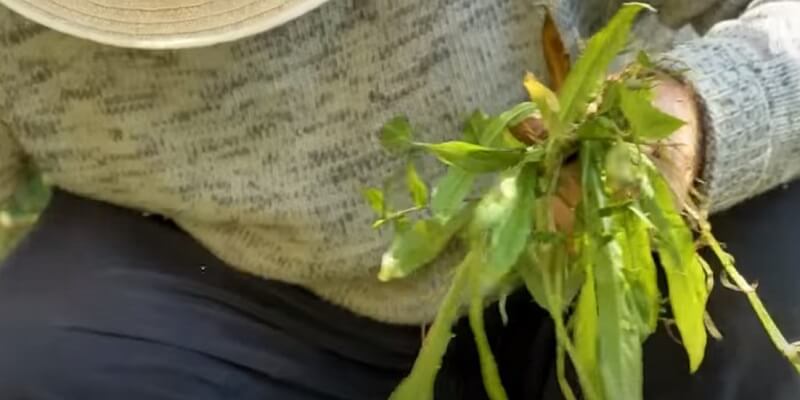
Weeding and pulling are effective weed control methods that can be used in any garden.
These methods will help you keep your garden clean and tidy when used correctly. These methods are easy to use and do not require chemicals.
- These methods effectively control weeds of all kinds, including perennial weeds.
- Can be labor-intensive, especially if the area of the plot is large.
- Can damage cultivated plants if weeds are too close to them.
The Best Way to Weed and Pull Weeds
My experience suggests that weeding is not just a task but a whole complex of activities, including removing weeds and using various lifehacks and nuances.
- Weeding should be done regularly to keep weeds from overgrowing.
- Weeding and pulling should be done in dry weather to make weeds easier to remove.
- Use a sharp tool to avoid damaging the roots of cultivated plants.
- Do not leave weeds on the soil surface as they may sprout again.
- Weeding and pulling should be done regularly to prevent weeds from growing.
- Start weeding and pulling from the edges of beds and flowerbeds to prevent weeds from spreading to cultivated plants.
- If you use a hoe or hoe, be careful not to damage the roots of cultivated plants.
- If you pull weeds by hand, try to remove them from the root so they do not sprout again.
- Pulling should be done when the weeds are young and their shallow roots.
- In the case of perennial weeds with a stable root system, such as creeper or wheatgrass, pulling by hand may not completely kill the plants, leading to their re-growth.
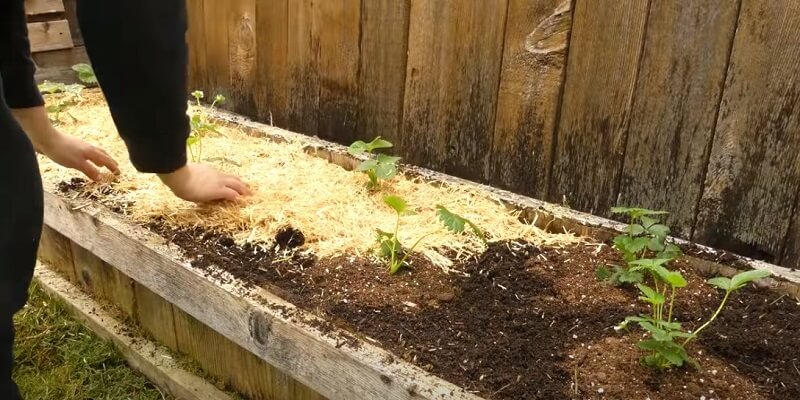
Mulching: a Natural Weeds Barrier
Mulching involves covering the soil around plants with a layer of organic or inorganic material. This layer acts as a protective barrier by inhibiting weed growth, blocking sunlight, and preventing weed seeds from germinating.
Mulching effectively suppresses weed growth by limiting sunlight and creating a barrier to emerging weeds.
Mulch helps retain moisture in the soil, reducing competition for water between plants and weeds.
Organic mulch breaks down over time, enriching the soil with organic matter and improving soil structure.
Mulching requires careful application around desirable plants, as it can inhibit the growth of some sensitive species.
Thick layers of mulch can create shelter for pests, which can be a problem in certain conditions.
For Weed Control, Mulch is Used as Follows:
All weeds, as well as their roots, must be removed before mulching. This can be done by weeding, digging, or applying herbicides.
Materials that hold moisture well and prevent light penetration are best suited for weed control. Such materials include:
- Sawdust
- Tree bark
- Conifer mulch
- Straw
- Grass cover
Spread the mulch over the soil surface. The mulch layer should be at least 5-10 cm thick.
Mulching should be done in spring or autumn when weeds have not yet had time to germinate. If you mulch in summer, you should check the soil regularly for weeds and remove them if necessary.
Here are some mulching tips for weed control:
- Use mulch that is appropriate for your climate. For example, it’s best to use tree bark mulch in hot climates, which holds moisture well.
- Add new mulch regularly so it doesn’t get depleted.
- If you use grass mulch, ensure it is completely dry before use.
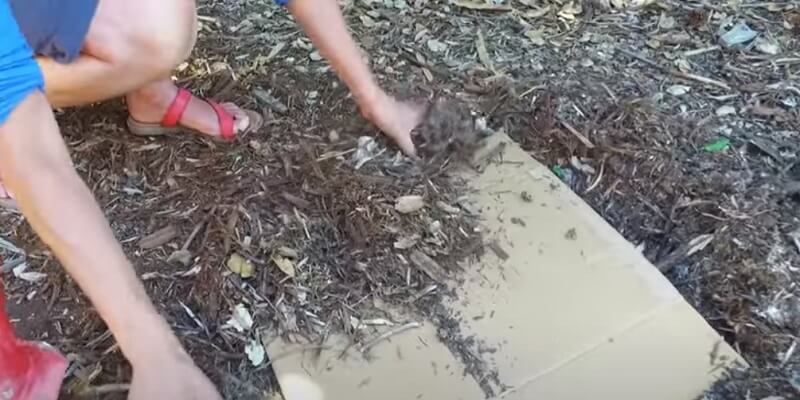
Excluding Light for Weed Control
Excluding light for weeds is, in my opinion, one of the most effective ways to control weeds. Weeds, like all plants, need light for photosynthesis. Without light, they cannot produce food and die.
You can use foil, landscape fabric, or cardboard. By covering the beds with film or cardboard, you will prevent light from reaching the soil.
When using this method, it is important to ensure they do not damage cultivated plants. For example, film or cardboard can damage plant roots if they are too close to the soil surface.
Here are some tips for excluding light from weeds:
- Don’t use black-colored film or cardboard, as it can overheat the soil.
- Remove the film or cardboard from beds in the fall to allow the soil to breathe.
Excluding light for weeds can be an effective method of weed control, but it is important to consider the following factors:
- Some weeds, like creeping wheatgrass, have long rhizomes that can grow through mulch or film.
- Time of use. For best results, mulching or covering with film or cardboard should be done before weeds emerge.
When these factors are met, excluding light from weeds can be an effective and safe method of weed control.
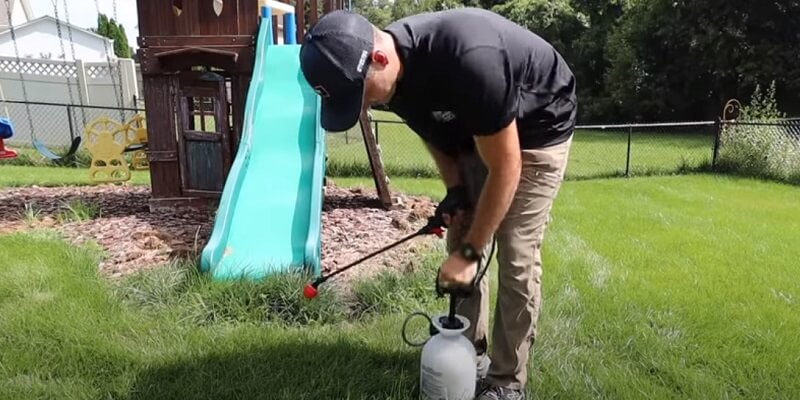
Chemical Weed Control
Often praised for their effectiveness in killing weeds, chemical herbicides are a powerful tool in the weed control arsenal.
These synthetic substances are designed to disrupt unwanted plants’ growth, development, or metabolism, providing a quick and targeted solution to weed problems.
Herbicides can be selective, meaning they only affect certain types of weeds or can be continuous, killing all plants they come across.
Chemical weed control has several advantages in controlling weeds that are difficult to remove by other means. It can be relatively quick, easy, and well suited to treating large areas.
However, chemical weed control also has several disadvantages:
- It can be hazardous to human health and the environment.
- It can be expensive.
- Furthermore, it can lead to the development of weed resistance to herbicides.
Types of Herbicides
Herbicides can be categorized by their mechanism of action, that is, how they affect weeds.
- Selective herbicides affect certain processes in weed development without affecting the crop plants. For example, herbicides that block chlorophyll synthesis make weeds yellow and lifeless.
- Continuous-acting herbicides kill all the plants they hit. They are used to treating vacant lots, roadsides, and other areas where no cultivated plants grow.
Herbicide Applications
Herbicides can be applied in a variety of ways, depending on their type and purpose.
- Spraying is the most common way to apply herbicides. Spraying can be done by hand or with a sprayer.
- Incorporation into the soil is a method of herbicide application in which herbicides are applied to the soil before planting cultivated plants.
- Herbicides applied in this manner act on weeds that germinate after application.
Burning is a method of herbicide application in which herbicides are applied as smoke or vapor. Burning is used to treat large areas such as forests or pastures.
Safety of Herbicide Application
When applying herbicides, safety precautions must be followed to protect yourself and the environment.
- Always read and follow herbicide application instructions.
- Do not use herbicides in windy conditions.
- Do not work with herbicides if you feel ill or cannot see well.
- Always wear protective clothing when working with herbicides, including gloves, goggles, respirators, and protective clothing.
Chemical weed control is an effective way to control weeds, but it requires safety precautions.
Organic Weed Control
Cover cropping-Planting cover crops such as clover or vetch helps suppress weeds, reduce soil erosion, and improve soil fertility. Cover crops provide a natural barrier to weeds and contribute to overall soil health and biodiversity.
Boiling water and vinegar solutions weeds with boiling water or vinegar can cause burns and death. This method is a chemical-free way to control specific weeds. However, it should be used carefully not to harm the right plants.
Corn gluten meal- Corn gluten is a natural byproduct of corn processing that acts as a pre-emergence herbicide by inhibiting the germination of weed seeds. This organic alternative prevents weed seedlings from harming established plants.
Maintaining proper soil moisture to inhibit weed growth
The relationship between water and weed growth is a delicate balance that experienced gardeners can use to their advantage.
Weeds, like all plants, require water to grow. By maintaining adequate soil moisture levels for desirable plants, you create an environment where they can out-compete weeds for this important resource.
When desirable plants receive adequate moisture, they can establish a stronger root system and grow more vigorously, reducing the available resources for weed growth.
Watering directly at the base of desired plants and using methods such as drip irrigation minimizes water exposure to areas susceptible to weeds.
Targeted watering ensures that water reaches the root zones of the intended plants without over-watering exposed soil areas, which reduces the likelihood of weed seed germination.
To maintain proper soil moisture, plants need to be watered regularly. However, it is important not to overdo it, as excess water can lead to root rot in cultivated plants.
Here are a few tips that, in my experience, help maintain proper soil moisture to curb weed growth:
- Water plants in the morning or evening hours when the sun is not as bright.
- Water plants are planted deeply so that the water penetrates the roots.
- Mulch the soil so it retains moisture longer.
- Use a sprinkler or drip irrigation to get water directly to the roots of the plants.
- Check the soil moisture before watering. If the soil is dry at a 2-3 cm depth, it is time to water.
- Increase the frequency of watering in hot weather or during droughts.
By adhering to these tips, you can create favorable conditions for the growth of your cultivated plants and unfavorable for the growth of weeds.
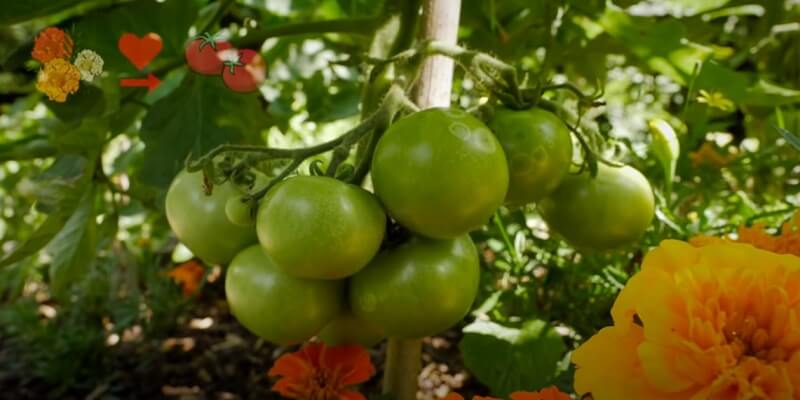
Keep Weeds Out of the Garden with Companion Plantings
Companion planting is a practice I use that involves strategically planting different crops next to each other to maximize mutual growth benefits and, interestingly, prevent common garden nuisances like weeds.
Some plants secrete biochemicals into the soil that inhibit the growth of nearby plants, a phenomenon known as allelopathy. Companion planting utilizes these natural chemical interactions to keep weeds in check.
Combining plants with different growth characteristics helps maximize space and create a dense canopy that shades the soil, minimizing opportunities for weeds to take root.
Some plants attract beneficial insects that prey on common garden pests, including weeds. These insects contribute to a balanced ecosystem that naturally controls weed populations.
Here are examples of plant combinations that deter weeds
1. Basil and tomatoes
Basil releases aromatic compounds that repel certain pests, including mosquitoes and common tomato pests. Planting basil near tomatoes not only improves the flavor of tomatoes but also helps deter pests that might otherwise contribute to weed problems.
2. Velvet and vegetables
Velvets release substances that repel nematodes and other soil pests. Transplanting velvets with vegetables can protect the root system of vegetables from pest damage, contributing to the garden’s overall health.
3. Corn and beans
Corn provides a natural support structure to allow bean vines to climb, and beans fix nitrogen in the soil, benefiting the corn. This classic example of companion planting creates a mutually beneficial relationship that shades the soil, preventing weed growth.
4. The Three Sisters (corn, beans and pumpkins)
Corn provides a structure for beans to climb, beans fix nitrogen in the soil, and pumpkins create a living mulch by shading the soil. This native planting technique maximizes space and creates a weed-resistant microclimate for the three crops.
5. Carrots and onions
Onions deter carrot fly, a common pest of carrots. Planting onions next to carrots helps protect carrots from pests, indirectly helping to prevent weeds.
Don’t be afraid to experiment with different plant combinations. Start small. Don’t try to redesign your entire garden at once. Start with a small area and gradually expand it.
Soil Health and Weed Prevention
Maintaining healthy soil is the cornerstone of effective weed prevention. Healthy soil not only supports optimal growth of desirable plants but also creates an unfavorable environment for weeds.
Healthy soil provides the ideal environment for the sustainable growth of desirable plants. When plants thrive and have access to the nutrients they need, they can compete with weeds for resources such as sunlight, water, and nutrients.
Well-structured soil with good aeration promotes desirable plants’ root development and nutrient uptake. Conversely, compacted or poorly aerated soil can limit the growth of desirable plants, creating opportunities for weeds to multiply.
Healthy soil is abundant with beneficial microorganisms that promote nutrient cycling and decomposition of organic matter. These microorganisms are critical in creating an environment that supports plant growth and sustainability.
Tips for Improving Soil Fertility and Health:
1. Adding organic matter
Organic matter improves soil structure, water retention, and nutrient availability, creating an environment that promotes plant growth and is less favorable to weeds. Incorporate organic matter such as compost, well-fermented manure, or cover crops into the soil.
2. Cover cropping
Plant cover crops when the garden is not used for main crops. Cover crops prevent soil erosion, suppress weeds, and add organic matter.
3. Crop rotation
Alternate the types of crops planted in different garden areas each season. Crop rotation disrupts the life cycles of specific pests and diseases, reducing the likelihood of weed problems and improving overall soil health.
4. Mulching
Apply a layer of organic mulch around plants. Benefits: mulch helps moisten the soil, suppress weeds, and gradually decompose by adding organic matter.
5. Avoid excessive tillage
Minimize over-tilling or plowing, which can disturb soil structure and prevent weeds from seeding. Reducing soil disturbance helps maintain soil structure integrity and minimizes the impact of dormant weed seeds.
6. Soil Testing and Amendments
Conduct soil tests to determine nutrient levels and pH. Adjust soil chemistry based on test results. Optimizing nutrient and pH levels in the soil promotes the availability of essential elements to plants, creating an environment where weeds have difficulty thriving.
Regular Garden Maintenance: The Key to Weed Prevention
By incorporating regular maintenance into your gardening, you can proactively combat weed problems and contribute to the overall well-being of your garden.
Regular maintenance breaks the life cycle of weeds by removing seedlings before they mature and produce more seeds. Inspect and remove emerging weeds regularly, preventing them from reaching the seed-forming stage.
To summarize, the important points in my experience for keeping the soil weed-free:
- Weed the beds regularly and mulch the soil. Weeding is the most effective way to remove weeds. Mulching the soil helps prevent weed seeds from germinating.
- Remove weeds as early as possible. Young weeds are easier to remove than old weeds.
- Remove weeds from the root. If the roots are not removed, weeds will sprout again.
- Use the right tools. Use sharp tools for weeding to avoid damaging cultivated plants.
- Follow herbicide application instructions. Herbicides can be an effective way to remove weeds, but it is important to use them correctly.
- Follow crop rotation. Crop rotation helps prevent weed seeds from accumulating in the soil.
- Remove weeds from walkways and driveways. Weeds from walkways and driveways can easily spread into beds.
- Do not leave plant debris on the soil surface. Crop residue can be a source of weed seeds.
- Keep the soil moist. Dry soil is more prone to weed seeds germinating.
Here are a few of the weed-control lifehacks and techniques shared by my fellow gardeners :
- Using vinegar. Vinegar is an effective tool for weed control. To prepare a vinegar solution for weed control, mix vinegar, water and salt in equal proportions. Apply the solution to the weeds using a sprayer.
- Using baking soda. Baking soda is another effective weed killer. To prepare a baking soda solution for weed control, mix baking soda and water in a 1:1 ratio. Apply the solution to the weeds using a sprayer.
- Use of boiling water. Boiling water is a quick and effective way to kill weeds. Simply pour boiling water over the weeds.
- Use of salt. Salt is an effective weed killer, but it is important to use it carefully as it can also damage cultivated plants. To prepare a salt solution for weed control, mix salt and water in a 1:1 ratio. Apply the solution to the weeds using a sprayer.
- Use of foil. Film can help prevent weeds from germinating. Simply cover the beds with foil to keep light from reaching the soil.
- Using cardboard. Cardboard can also help prevent weeds from germinating. Simply cover the beds with cardboard to keep light from reaching the soil.
- Using mulch. Mulching the soil is one of the best ways to prevent weeds from germinating. You can use various materials, such as compost, wood chips, tree bark, gravel, etc. to mulch the soil.
- Use of companion plants. Some plants such as velvets, nasturtiums, and mustard, can help control weeds. These plants release substances that inhibit weed growth.
- Utilizing insect predators. Some insects, such as ladybugs, dung beetles, and lacewings, feed on weeds. You can attract these insects to your garden by planting plants near cultivated plants that attract them.
It is important to note that the effectiveness of these methods can vary depending on the type of weed and the conditions of your garden. It is recommended that you consult with an experienced horticulturist before using any weed control method.

How are weeds categorized?
Weeds come in many different shapes, sizes, and growth patterns. There is a method of classifying weeds based on their growth pattern, which can be used to develop effective weed control methods.
Here for example, are some common types of weeds based on their growth characteristics:
1. Annual Weeds
Annual weeds complete their life cycle within one growing season. They usually germinate, grow, flower, set seed, and die within one year.
Examples are sandbur, crabgrass, and pigweed.
2. Perennial Weeds
Perennial weeds persist for several growing seasons. They can regrow from the same root system year after year, making them difficult to eradicate. Examples include dandelion, wheatgrass, and creeper.
3. Biennial Weeds
Biennial weeds have a two-year life cycle. Characteristics: They usually form a rosette of leaves in the first year, flower and produce seeds in the second year, and then die. Examples: common cowpea, thistle, and wild carrot.
4. Cool-season and warm-season weeds.
Weeds can be categorized based on the temperature conditions in which they thrive. Cool-season weeds thrive in cooler temperatures and warm-season weeds prefer warmer conditions. Examples: Cool season – sandweed; Warm season – Crabgrass.
Common Garden Weeds
Here are some notorious garden weeds, along with explanations of why they can be particularly problematic:
1. Dandelion (Taraxacum officinale)
Recognizable by its yellow flowers and distinctive seed heads. Problematic: Dandelions have deep tap roots that make them difficult to pull out completely. The wind disperses Their seeds, resulting in rapid and widespread colonization.
2. Crabgrass (Digitaria spp.)
A low-growing grass with broad stems that often form patches. Crabgrass produces seed abundantly and does well in bare or thin lawn areas. Its rapid growth can crowd out desirable grasses, creating an unsightly and uneven lawn.
3. Field creeper (Convolvulus arvensis)
A climbing vine with arrow-shaped leaves and white or pink tubular-shaped flowers. Its extensive root system competes aggressively for water and nutrients, smothering nearby plants. It can quickly cover and smother other vegetation.
4. Stellaria (Stellaria media)
Low-growing, with small oval-shaped leaves and tiny white flowers. Stellaria spreads quickly, forming dense mats that shade out desired plants. Its ability to germinate in cool temperatures makes it a persistent winter weed.
5. Quackgrass (Elymus repens)
A perennial grass with a creeping rhizome and seed heads that resemble wheat. Quackgrass spreads both by seed and by an extensive underground rhizome system. It competes vigorously with garden plants and is difficult to eradicate because of its resistant roots.
6. Portulaca (Portulaca oleracea)
Succulent leaves with small yellow flowers. Portulaca is adaptable and can grow well in poor soil conditions. Its slow-growth habit allows it to spread quickly, overtaking desirable plants for nutrients and sunlight.
7. Natsej (Cyperus spp.)
An herbaceous plant with triangular stems and small brown seed heads. Nutsedge does well in moist or poorly drained soil. Its tubers make it resistant to control efforts, and it competes aggressively for resources with cultivated plants.
8. Pigweed (Amaranthus spp.)
Tall, with reddish stems and simple ovate-shaped leaves. Pigweed is very competitive and can produce a large number of seeds, which increases its hardiness. Its rapid growth shades out other plants and can lead to reduced yields.
Useful Video on the Topic
Conclusion
In conclusion, the key to effectively keeping weeds out of your garden is implementing an integrated weed control approach. This approach involves utilizing a combination of different control methods to achieve the best results and maintain a weed-free garden environment. By incorporating various strategies; you can effectively manage and prevent weed growth while promoting the health and vitality of your plants.
One effective method of weed control is mechanical removal, which involves physically removing weeds from the garden. This can be done through hand-pulling, hoeing, or using tools such as cultivators or weeders to uproot weeds from the soil. Mechanical control is particularly useful for removing weeds before they mature and produce seeds, preventing further spread and infestation. However, your mechanical control efforts must be thorough and consistent to prevent weeds from regrowing and spreading.
In addition to mechanical control, mulching is another valuable tool for keeping weeds at bay in the garden. To suppress weed growth, mulching involves covering the soil surface with organic or inorganic material, such as wood chips, straw, or plastic. Mulch acts as a barrier that inhibits weed seeds from germinating and prevents existing weeds from receiving sunlight, effectively stifling their growth. Applying mulch regularly and maintaining a sufficient layer thickness can effectively smother weeds and promote a healthy growing environment for your plants.
Furthermore, biological control offers a natural and environmentally friendly approach to weed management by harnessing the power of nature’s mechanisms. This method involves introducing or encouraging the presence of natural enemies of weeds, such as insects, pathogens, or animals, to help regulate weed populations. For example, planting beneficial insect-attracting flowers or providing habitat for weed-eating animals like ducks or geese can help keep weed populations in check. By fostering a balanced ecosystem within your garden, you can reduce the need for chemical interventions and promote long-term weed control sustainability.
In conclusion, by incorporating mechanical, mulching, and biological control methods, you can effectively keep weeds out of your garden and maintain a healthy and thriving growing environment. Consistency and diligence in implementing these strategies are key to achieving long-term success in weed management. By taking proactive steps to prevent and control weeds, you can enjoy a beautiful and productive garden that flourishes with vibrant plants and minimal weed interference.