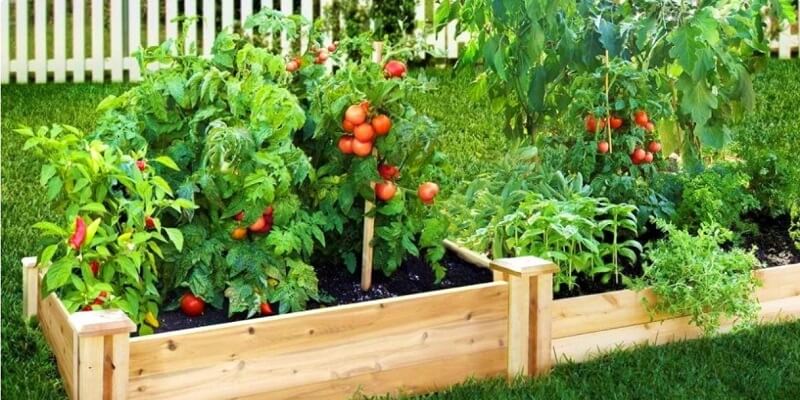
To build a raised bed, choose the best spot in your garden that provides the right balance of sunlight and shade.
Creating a raised bed with your own hands is a great way to improve your gardening skills and plant growth. Here, I’ll detail the steps and tips to help you understand how to make the perfect raised bed, ensuring it stands out in form and function.
What Is A Raised Garden Bed?
A raised bed is a garden structure, usually built from wood, concrete, or other materials. It comprises a frame enclosure filled with soil, providing an enclosed, organized space for planting plants. Raised beds have several benefits, making them a popular choice among gardeners.
Creating a raised bed can be a game changer for your garden, enhancing its aesthetics and functionality.
Choosing The Right Location
Of course, we start with where to place our raised bed. Choosing the right location for raised beds is crucial to the success of your garden. Here’s what to consider when choosing the best location:
Sunlight: make sure that the chosen location gets enough sunlight depending on the needs of the plants you intend to grow. Most vegetables and flowers need at least 6-8 hours of direct sunlight daily.
In the beginning, I made the mistake of placing the beds in what seemed like a convenient location at the time. But as time went on, it became obvious that the level of sunlight was not optimal. The plants were fighting for the scarce light and the yields were far from what I had expected.
Drainage: The site should have good natural drainage to prevent waterlogging, which can harm plants. Avoid places where water accumulates.
Accessibility: choose a location that is easily accessible for planting, watering, and maintenance. It should be convenient for you to maintain the garden regularly.
Being able to easily access my beds has made maintenance tasks easier and kept me motivated to continually care for my plants.
Proximity to a water source: Choose a location near a water source to make watering easier and to ensure that your plants have access to water at all times.
Wind exposure: Consider the prevailing wind direction in your area and position your beds to provide wind protection for your plants.
Soil quality: assess the quality of the soil in your chosen location. If the soil is poor, you can easily improve it by making the right adjustments when installing a raised bed.
Aesthetics: Consider the overall aesthetics of your garden. Raised beds can enhance the visual appeal of your landscape, so position them to complement the overall design.
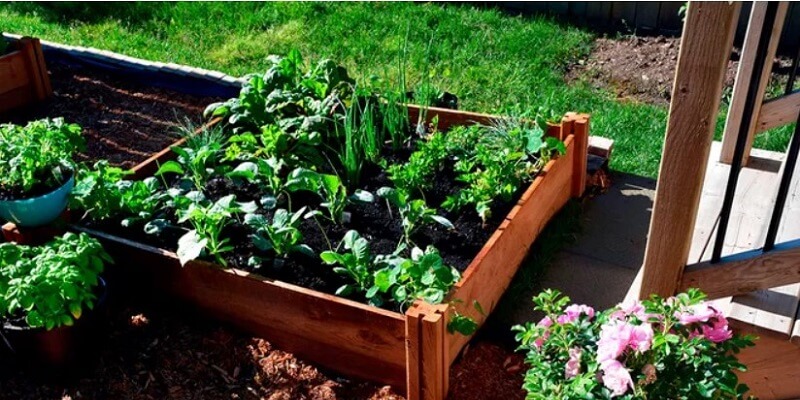
Choosing The Material For Raised Beds
Raised beds can be made from a variety of materials, each with its own benefits and features.
In my gardening experience, I favored untreated natural wood when creating raised beds. Wood offers the perfect combination of durability, aesthetics, and sustainability. But we won’t leave out other common materials used to build raised beds, so:
Wood
Pros: Natural, aesthetic, easy to work with, good insulating properties for soil.
Cons: It can rot over time, especially if left untreated; it can be expensive.
Recommended types: Cedar, redwood, or pressure-treated wood (using a barrier to prevent direct contact with soil).
Concrete blocks
Advantages: Strong, durable, and modern in appearance.
Cons: Limited in shape and size; can absorb and retain heat, affecting soil temperature.
Recommended Use: Especially suitable for large or permanent raised beds.
Galvanized Metal
Pros: Durable, resistant to corrosion and rust, has a modern look.
Cons: Can heat up quickly in the sun, which affects soil temperature.
Recommended Use: Good for small raised beds or as accents on larger beds.
Bricks
Pros: Aesthetically pleasing, durable, and provides good soil insulation.
Cons: It can be costly and time-consuming to install; it is limited in shape and size.
Recommended Use: Ideal for small raised beds or as decorative elements.
Composite Materials
Pros: Made from recycled plastic and wood fiber, durable and resistant to rot and insects.
Cons: Can be expensive and may not have the natural look of wood.
Recommended Use: Great for eco-conscious gardeners looking for a low-maintenance option.
Choose the material depending on your preferences, budget, and the overall aesthetic you desire for your garden.
How Wide Should A Raised Bed Be?
The width of a raised bed is important for accessibility and efficient gardening. The optimum width of a raised bed is usually 3 to 4 feet (90 to 120 cm).
This width allows convenient access to the center of the bed from either side without going into the soil, minimizing soil compaction.
A wider bed can make it difficult to reach the center, and a narrower bed may not provide enough space for plants to grow effectively. However, if you have limited space, a narrower bed is better than no raised bed.
When deciding on the width of your raised bed, consider your range and the space available in your garden.
How Deep Should A Raised Bed Be?
The depth of a raised bed is crucial to plant health and growth. The recommended depth of a raised bed is typically 6 to 12 inches (15 to 30 cm) for vegetables, herbs and flowers. However, some plants with deep roots may benefit from a deeper bed, as deep as 18 inches (45 cm).
Here are some considerations for determining the depth of a raised bed:
- Plant type: consider the plants you intend to grow and their root system. Plants with deeper roots need a deeper bed.
- Soil quality: if your garden has poor-quality soil, a deeper bed will allow you to incorporate better soil and compost.
- Water retention: deeper beds retain more moisture, which can be beneficial in drier climates.
- Accessibility: keep in mind your own comfort and ability to reach the bottom of the bed for planting, maintenance and harvesting.
Ultimately, the ideal depth will depend on your specific gardening needs, the types of plants you want to grow, and your personal preferences.
I constructed a raised garden bed measuring 4 feet in width and 8 feet in length, with a height of 12 inches. This size was a deliberate choice, considering both the available space in my backyard and the ease of access for planting, tending, and harvesting.
Basic Tools For Building A Raised Bed With A Wooden Frame
Ready to get started on your garden bed project? Great! But let’s stop for a moment and ensure we have all the necessary tools and materials. I will provide you with a list that will help us prepare. for success.
Materials:
For the frame of your raised bed, choose a sturdy and rot-resistant material. Cedar and mahogany are popular choices because of their durability.
Make sure you have enough quality soil to fill the bed. A mixture of topsoil, compost, and organic matter is ideal for a nutrient-rich growing environment.
Gather screws, nails, or brackets to assemble the bed securely.
Tools:
- Measuring tape
- Saw
- Drill
- Level
- Gloves
- Shovel
- Wheelbarrow
How To Build A Raised Garden Bed: Step-by-Step Guide
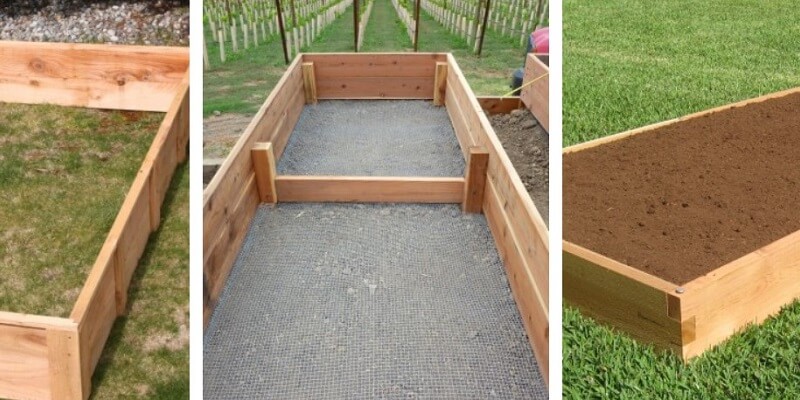
Creating a raised bed with a wooden frame is an interesting do-it-yourself project that will beautify your garden and provide an ideal environment for plant growth. Let’s create a sturdy and attractive raised bed with a wooden frame for your garden.
Step 1: Gather materials and tools
Gather all the necessary materials and tools for the project, including wooden boards, screws, tape measure, saw, drill, screwdriver, level, clamps, angle, safety gear, and a pencil or marker.
Step 2: Plan and measure
Determine the dimensions of the raised bed and mark the length on the wooden boards. The usual dimensions of a raised bed are about 3-4 feet wide and 6-8 feet long, but you can adjust it to fit your space and preferences.
Step 3: Saw the wood
Using a saw, carefully cut the wood planks to the marked dimensions. Make sure that the cuts are precise and straight.
Step 4: Assemble the frame
Lay out the cut wooden boards to make a rectangular frame, ensuring the corners are straight. Use a square to confirm the right angles. Fasten the boards in place and pre-drill holes in each corner for screws.
Step 5: Screw the frame together
Using a drill and suitable screws, secure the corners of the frame by inserting the screws into the pre-drilled holes. Make sure the frame is stable, and all corners are secure.
Step 6: Level the frame
Place the assembled frame in the desired location for the raised bed. Use a level to make sure the frame is level and level.
Step 7: Prepare the area
Clear the area of debris, rocks, and weeds. Dig a shallow trench and level the ground so the frame stands firmly if necessary. Typically, a shallow trench for a raised bed is about 2 to 4 inches deep. Use a tape measure and mark this depth on the stakes.
Step 8: Position the frame
Carefully position the assembled frame in the prepared area, ensuring it is level and stable on the ground. Make sure the base is well prepared before pouring the bed. Add a layer of cardboard or newspaper at the bottom to choke out weeds and improve drainage. This also helps prevent soil from seeping through the gaps between the logs.
Step 9: Backfill with soil
Once the frame is in place, fill it with a well-mixed mixture of topsoil, compost, and other organic matter. Make sure the soil is even and fills the frame sufficiently.
Allow the bed to stand for a few days to a week before planting. Water the soil to allow it to settle and compact. Now, see if additional soil is needed, as it may settle and create a slight depression.
Step 10: Plant your garden
Plant your desired vegetables, flowers, or herbs in the prepared soil. Follow planting recommendations and ensure the proper spacing between plants.
Step 11: Water and maintain
Water your plants regularly and provide the necessary care to keep them growing and thriving in your new wood-framed raised bed.
Building a raised bed with a timber frame involves arranging the timbers, stapling them together, adding further layers to increase the height, preparing the base, filling it, and allowing it to settle. This way, you’ll have a sturdy, well-structured raised bed ready to tend to your garden.
Exploring Popular Ready-Made Raised Bed Options
1. Best Choice Products 72x23x30in Raised Garden Bed
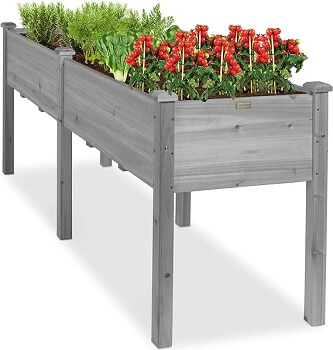
I was immediately impressed when I stumbled upon the Best Choice Products 72x23x30in Raised Garden Bed. The dimensions are generous, providing ample space for a variety of plants. Its elevated design is a game-changer for those seeking a comfortable gardening experience, and the construction using weather-resistant cedar assures me of its durability. It’s easy to assemble, making it a handy addition to your garden.
2. Quictent 6x3x1ft Galvanized Raised Garden Bed with Cover

The Quictent galvanized raised garden bed measuring 6x3x1 feet still caught my attention. Its galvanized metal construction provides durability and a modern look. What sets it apart is the included lid that turns it into a mini greenhouse for my plants. The large size is perfect for growing various vegetables, and installation is surprisingly easy even for such a novice gardener.
3. Veezyo Galvanized Raised Garden Bed Kit
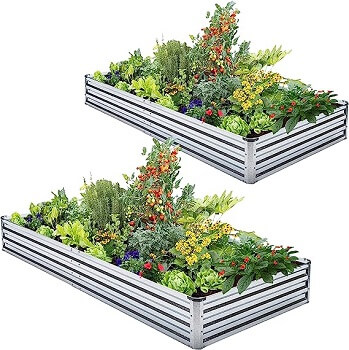
Discovering the Veezyo galvanized raised garden bed kit was a real treat. The galvanized metal not only provides strength but also protects against corrosion. The assembly process is also simple and the depth is ideal for root growth. I also appreciate the thoughtful design, which makes it easy to connect multiple beds to create a single garden space. It is truly a charming addition to your gardening endeavors.
4. Best Choice Products 8x4x2ft Outdoor Metal Raised Garden Bed
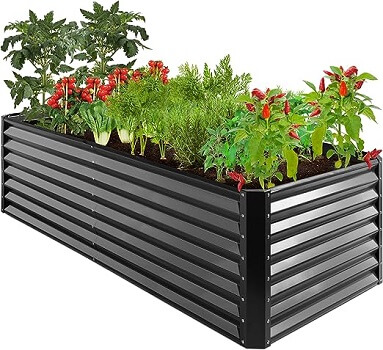
Best Choice. The 8x4x2 foot metal outdoor garden bed is a garden lover’s dream. The large size provides an expansive growing area, allowing you to grow various plants. The metal construction is sturdy and able to withstand the weather. Its depth and width are perfect for growing vegetables and herbs with deep roots. A wonderful addition to your gardening path!
Your Choice:
All four raised bed options offer unique advantages. The Best Choice Products 72x23x30in and the Veezyo Galvanized Raised Garden Bed Kit are excellent for smaller spaces. At the same time, the Quictent 6x3x1ft Galvanized Raised Garden Bed stands out with its greenhouse cover, perfect for extending the growing season. On the other hand, the Best Choice Products 8x4x2ft Outdoor Metal Raised Garden Bed steals the show with its extensive growing area, making it suitable for a wide range of plants. Consider your space, preferences, and gardening goals to choose the perfect one!
Planting And Caring For A Raised Bed
Now that your raised bed is ready, it’s time to move on to planting it and caring for a thriving garden.
Choose plants that grow well in your garden’s specific conditions, considering factors such as sunlight, water and soil quality.
Plan a plant layout that considers the plants’ growth patterns, ensuring optimum spacing for each type.
Keep a consistent watering schedule and use the right fertilizer to nourish the plants and ensure healthy growth.
Regularly check weeds and remove them promptly to prevent competition for nutrients and space.
Benefits Of Gardening In Raised Beds
Gardening enthusiasts often choose to grow their plants in raised beds because of the many benefits of this gardening method. So how do we benefit from raised beds?
1. Improved soil quality
One of the key benefits of raised beds is the ability to monitor and improve soil quality.
Gardeners can fill a raised bed with a precise mixture of soil, compost, and organic matter, creating an optimal plant growing environment. This customized soil mix provides rich nutrient content and promotes healthy root development, leading to more productive and thriving plants.
2. Better drainage
Raised beds provide superior drainage compared to traditional raised bed gardens.
The raised design allows excess water to drain more efficiently, preventing soil waterlogging, which can harm plant roots. Well-drained soil maintains aeration and root health and reduces the risk of root rot and other water-related plant diseases.
3. Weed control
The raised bed design of these beds makes weed control easier.
Raised beds have well-defined borders, and adding a weed barrier at the base can greatly reduce the invasion of unwanted plants. This means less time and effort spent on weeding, allowing you to focus more on growing and caring for your desired plants.
4. Extended growing season
Raised beds tend to warm up faster in the spring, allowing you to start planting earlier in the season.
The raised structure absorbs and retains the sun’s heat more efficiently, creating a favorable environment for seed germination and early growth. This longer growing season can lead to higher yields and a more abundant harvest.
5. Ease of access and gardening
The height of raised beds makes gardening more accessible and comfortable, especially for people with limited mobility or those who prefer not to bend or kneel for long periods of time.
Gardeners can work at a comfortable height, which reduces strain on the back and knees, making garden work a more enjoyable and environmentally friendly activity.
6. Pest control
In some cases, raised beds can provide a degree of protection against certain pests.
A raised structure can deter crawling pests and make it harder for them to access your plants. Also, if pests manage to get in, they are easier to detect and control in a confined space.
7. Aesthetic appeal
Raised beds will add a visually appealing element to your garden. The defined and organized structure of a raised bed can improve the overall appearance of your garden, creating a more aesthetically pleasing landscape.
Raised Beds FAQ
Can I build a raised bed on a hard surface?
You can build a raised bed on a hard surface such as concrete or asphalt. However, it is important to ensure proper drainage. Consider adding a layer of gravel to the bottom of the bed so that excess water can escape. Also, a liner should prevent the soil from directly contacting hard surfaces.
Will I have to water more?
Raised beds may require more frequent watering than traditional in-ground gardens. The elevated position allows for better drainage, which can cause the soil to dry out more quickly. Regularly monitoring moisture levels and adjusting your watering schedule will help maintain optimal plant moisture.
Will fungi grow in my high bed?
Fungi can grow in any garden, including raised beds. Fungi are a natural part of the soil ecosystem and are vital in nutrient cycling. They help break down organic matter, making nutrients available to plants. Some fungi are beneficial, while others can be harmful. Maintaining good hygiene, proper watering, and balanced soil conditions can help control fungal growth and maintain a healthy garden.
Video guide to building raised beds
For a visual guide to creating a raised bed, watch this informative video demonstrating the step-by-step process of building a raised bed using a variety of materials and techniques:
On gardening forums, enthusiasts often share valuable knowledge and experience regarding raised beds. Drainage solutions, use of liners, and accessibility and maintenance considerations are also often discussed.
Filling a raised bed
The right soil mix provides the necessary nutrients, drainage and aeration for healthy plant growth.
A well-balanced soil mix typically consists of three main components:
- Topsoil: Provides the foundation and structure of the soil mix.
- Compost: Enriches the soil with nutrients and increases soil fertility.
- Organic matter: Improves soil structure, moisture retention, and aeration.
Applying the soil mixture in layers
Proper layering of the soil mixture ensures optimal nutrient distribution and promotes healthy root growth.
Follow the steps below for effective layering:
а. Bottom layer (6-8 inches)
Begin by placing a layer of coarse organic material, such as straw or small branches, at the bottom of the bed. This layer promotes drainage and aeration.
б. Middle layer (8 to 10 inches)
Add a mixture of topsoil and compost. This layer provides the basic nutrient environment for your plants and ensures they get the nutrients they need.
c. Topsoil (2-4 inches)
Finish with a top layer of compost. This layer enriches the soil with additional nutrients, promoting healthy plant growth.
Make additional amendments (optional)
Depending on the requirements of your plant, certain additives can be added to the soil mixture:
Perlite or vermiculite, which improves soil aeration and drainage.
Peat moss improves water retention and soil acidity.
Add slow-release organic fertilizers or other plant-specific fertilizers as needed.
Mix the layers thoroughly with each other to ensure an even distribution of materials. Water the soil well to allow the mixture to settle and compact.
Before planting, assess the quality of the soil by checking its texture, moisture level, and nutrient content. If necessary, make adjustments to meet the specific needs of the plants you intend to grow.
Selecting the right soil components and laying them effectively creates a nutrient-rich environment that promotes healthy plant growth and high yields.
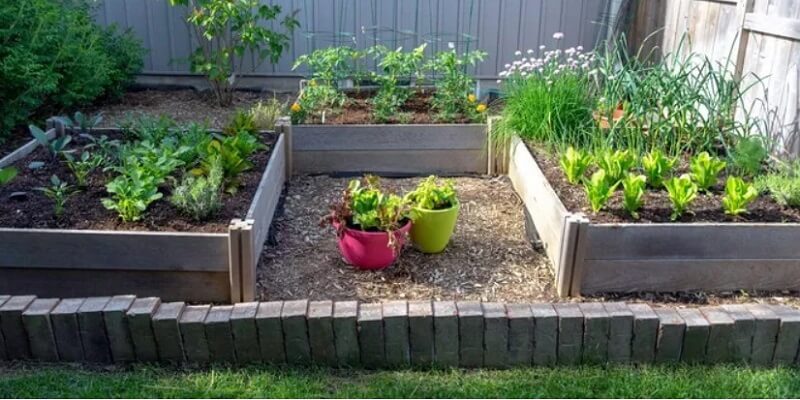
What to plant in raised beds
Raised beds provide a controlled environment for growing a variety of plants, and choosing what to plant can maximize space and yield.
Optimal plant choices for raised beds, taking into account factors such as growth characteristics, companion plantings, and seasonal suitability, may be:
1. Vegetables:
Tomatoes: Ideal for raised beds, especially determinant varieties that do not require much space.
Peppers: Different peppers grow well in a controlled environment in raised beds.
Lettuce: Ideal for raised beds because of its shallow roots and ability to grow nearby.
Carrots: The loose, well-drained soil of raised beds promotes straight and uniform growth of carrots.
Spinach: Grows well in raised beds and can be grown in succession for a continuous crop.
2. Herbs:
Basil: a popular herb that grows well in raised beds and benefits from warmer soil.
Parsley: requires well-drained soil, making it an excellent choice for raised beds.
Rosemary: grows well in well-aerated soil in raised beds and adds great flavor to dishes.
Chives are ideal for raised beds because they grow in clusters.
Mint: Mint is better suited for containers or isolated areas in raised beds because of its invasive nature.
3. Flowers:
Velvet: known for its ability to repel some garden pests, it gives raised beds a bright color.
Petunias are well suited for raised beds; they bloom profusely and come in various bright colors.
Zinnias are easy to grow and will bring abundant bright colors to your raised garden.
Alyssum: low growing and fragrant, making it a great choice for raised borders.
Sunflowers: tall varieties can be planted at the back of a raised bed for a dramatic effect.
4. Fruit:
Strawberries are ideal for raised beds, especially cascading varieties extending beyond the edges.
Dwarf fruit trees. Miniature or dwarf fruit trees can be grown in large raised beds for compact gardens.
Raspberries and blueberries: suitable for raised and spacious beds, providing fresh berries.
5. Root crops:
Radishes: Ideal for raised beds because of shallow roots and fast growth cycle.
Beets: Loose soil in raised beds ensures proper root development and easy harvesting.
Onions: well suited for raised beds, efficient use of space, and well-drained soil.
Choosing what to plant in raised beds depends largely on your preferences, climate, available space, and the growing conditions of the raised bed. Combine different plants to create a diverse and productive garden that meets your gardening goals.
Grow for pleasure
It’s time to move from soil preparation to active planting and care. Start by selecting and planting the right seeds or seedlings according to the guidelines and plans you’ve set for your garden. Monitor growth regularly and provide adequate water, sunlight, and nutrients
Conclusion
Gardening in raised beds offers many benefits that can significantly enhance the overall experience for novice and seasoned gardeners alike. One of the primary advantages lies in the improved soil quality that raised beds provide. By containing the soil within a defined space, gardeners have greater control over its composition, allowing amendments such as compost and organic matter to be easily incorporated. This enriched soil fosters healthier root development and provides plants with essential nutrients for optimal growth.
Furthermore, raised beds offer superior drainage compared to traditional ground-level planting. The elevated nature of the beds prevents waterlogging, which can lead to root rot and other moisture-related issues. This enhanced drainage promotes healthier plant growth and reduces the risk of soil erosion during heavy rainfall, preserving the integrity of the garden bed over time.
Effective weed control is another significant advantage of gardening in raised beds. By raising the planting surface above ground level, it becomes more difficult for weeds to establish themselves among the cultivated plants. Additionally, the confined space of raised beds makes it easier for gardeners to spot and remove weeds promptly, preventing them from competing with desired plants for nutrients and sunlight.
In addition to practical benefits, gardening in raised beds can extend the growing season, particularly in regions with shorter growing periods or cooler climates. The soil in raised beds tends to warm up more quickly in the spring, allowing for earlier planting and seed germination. Likewise, the elevated position of the beds can provide better air circulation, helping to mitigate frost damage in the shoulder seasons and enabling gardeners to cultivate a wider range of crops throughout the year.
Affordability is another consideration for gardeners looking to maximize the value of their gardening efforts. While the initial investment in constructing raised beds may require some upfront costs, the long-term savings can be significant. By improving soil quality and reducing water usage, raised beds can lead to higher yields and reduced reliance on expensive fertilizers and pesticides. Additionally, the modular nature of raised bed construction allows for incremental expansion over time, making it a flexible and cost-effective option for gardeners of all budgets.
Moreover, raised beds offer potential advantages in pest control. The contained environment makes it easier to implement protective measures such as row covers or netting to deter pests like insects and small animals. Additionally, the elevated height of raised beds may deter larger pests, such as rabbits or groundhogs, from accessing the garden, reducing the risk of crop damage.
Beyond their practical benefits, raised beds also enhance the aesthetic appeal of a garden space. The tidy, organized appearance of raised beds can lend a sense of order and symmetry to the landscape, making it visually pleasing for the gardener and visitors. Additionally, the raised height of the beds can make gardening more accessible for individuals with mobility issues, allowing them to enjoy the therapeutic benefits of gardening without bending or kneeling.
In conclusion, gardening in raised beds offers numerous advantages that can elevate the gardening experience. From improved soil quality and drainage to enhanced weed control and extended growing seasons, raised beds allow gardeners to maximize plant growth and efficiency while minimizing maintenance efforts. Whether you’re a seasoned gardener looking to optimize your harvest or a novice seeking a manageable entry point into gardening, raised beds offer a versatile and rewarding solution. So why not consider incorporating raised beds into your garden layout and enjoy their countless benefits? Happy gardening!