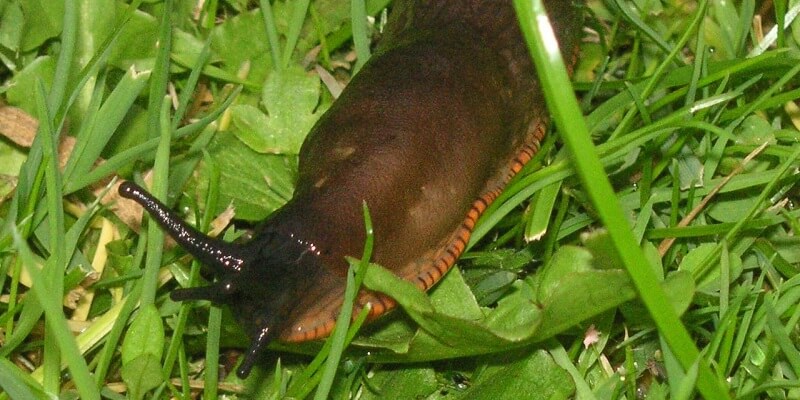
There are different ways to get rid of slugs in the garden.
The first is mechanical: collecting pests manually, traps made of beer, salt, cake, boards.
The second – chemical: the use of granules, powders or solutions with methaldehyde, iron phosphate.
The third – preventive: creating conditions unattractive to slugs (ash, coniferous fall, mulching).
The choice of method of getting rid of and control depends on the degree of infestation, your preferences, and the area of the plot. Below I will talk in detail about all of them.
My years of gardening experience have taught me that slugs are some of the most persistent pests we have to contend with. These slow but voracious creatures can devour vegetable crops such as cabbage, strawberries, and lettuce, as well as ornamental plants, hosts, and even the lawn grass in our backyard.
However, I am convinced that with the right approach, it is possible to get rid of them permanently or at least keep their population under control.

Preparing for Slug Control
One of the first steps I always take is to remove their natural hiding places such as fallen leaves, dry grass, organic debris, and compost bucket.
Slugs love to hide in these types of places and prefer moist environments and hiding places. This is where they hide during the day, reproduce, and wait for nightfall to come out to “hunt”.
Therefore, cleaning the garden plot of such debris significantly reduces their numbers.
However, one-time cleaning will not be enough. As an experienced gardener, I recommend that you regularly keep your plot clean, preventing the accumulation of organic residues and debris. Only in this way, you will deprive slugs of favorable conditions for life and reproduction.
Along with the removal of shelters, it is extremely important to constantly monitor the situation and detect signs of slugs in time. Regularly inspect your plants for nibbled leaves, holes in the stems, and characteristic slime trails. The earlier you notice a problem, the more effectively you can deal with it.
Don’t neglect early morning or evening inspections when slugs are most active. This is when you are more likely to spot them and take appropriate action.
Create barriers
In my experience, one of the most effective and organic ways to control slugs is to use barriers around plants and beds.
Sand, crushed eggshells, shredded oyster shells, wood ash, or even coffee grounds create an unpleasant surface for them that they prefer to avoid. I often use this method around flower beds and cabbage beds. They don’t like to come in contact with such abrasive surfaces and will likely choose to avoid them.
Fine salt and lime flour are also excellent barriers for these creatures. Scattered around plants, they create an unfavorable environment for slugs, dehydrating their bodies.
However, it is important to be moderate and not overdo the amount so as not to harm the crops themselves.
Copper Tape
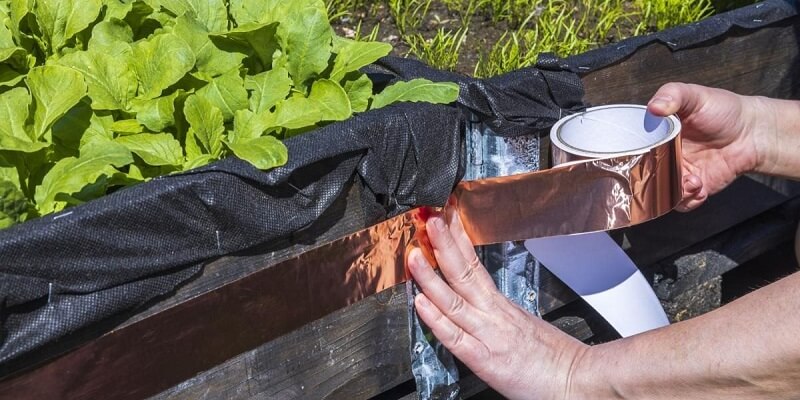
Copper tape or a ring placed around tree trunks, shrubs, or around the perimeter of beds can also be a very effective barrier.
Slugs avoid contact with copper because it gives them mild electrical shocks, scaring them away from the protected area.
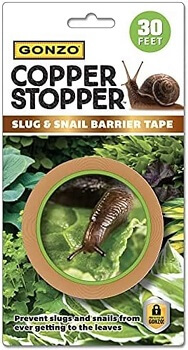
Copper Stopper Slug and Snail Barrier Tape 30 Feet
Features:
- Copper Stopper creates a barrier that repels slugs and snails, acting as a pet-safe solution to protect beds.
- This copper slug control tape serves as a natural and environmentally friendly means of protecting plants from pests, creating an unpleasant sensation that discourages them from moving in.
- Ideal for slug and snail protection for greenhouses, raised beds, and flower boxes and can also be used without fencing for potted plants.
- Non-toxic and safe for pets
- Easy adhesion
For more extensive protection of the entire garden or vegetable garden, you can consider installing special protective borders or fences. These can be made from a variety of materials such as plastic, metal, or even wood, and deepened into the soil by a few centimeters to prevent slugs from digging in.
When choosing a barrier material, it is important to consider not only its effectiveness against slugs but also its safety for the environment and the plants themselves. Try to favor natural and eco-friendly options, avoiding toxic substances.
Regardless of the method chosen, remember that barriers need to be regularly renewed and maintained to keep their repellent effect.
What to Use to Repel Slugs?
In addition to creating physical barriers, an effective way to protect plants from slugs is to use various slug repellents.
These substances have pungent odors and tastes that are unpleasant to slugs, forcing them to stay away from treated areas.
As an additional remedy, I often use crushed garlic scattered over the plants. The pungent odor of garlic acts as an effective slug repellent.
From my many years of experience with these pests, I can recommend natural repellents such as tobacco dust, red pepper powder, or crushed sage. Having a sharp odor and burning taste, they are extremely unpleasant for slugs and effectively repel them.
Traps and Baits
One of the most effective ways of slug control is the use of various traps and baits. These simple devices attract the pests with appetizing scents and then prevent them from getting out, thus ridding the garden of their presence.
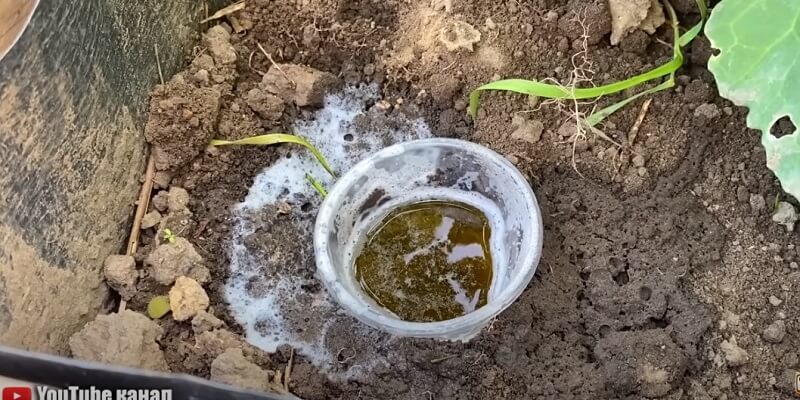
One of my favorite methods is to use beer or fermented coffee, sweetened water, or fruit juices as bait. Slugs love these scents and, attracted by them, fall into containers of this beverage where they drown. For maximum effectiveness, I recommend placing several of these “traps” throughout the vegetable garden and regularly checking them, removing slugs that have fallen in.
Traps can be placed around the perimeter of the beds or in places where pests congregate – and you will get an effective method of removing them.
You can use any shallow containers, such as plastic cups or containers, to make traps. It is only important to recess their necks flush with the ground so that slugs can crawl inside freely. Also remember to change the bait regularly, as its flavor can wear off over time.
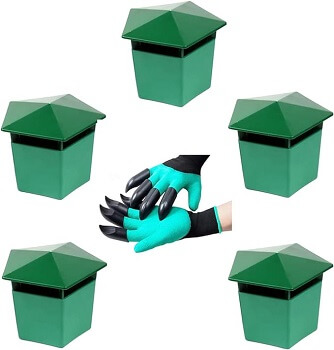
Slug Cage for Garden, 5 pcs + Claw Gloves
Features:
- Size: Each trap is about 866cm(3,142,362,36 inches).
- Easy to use: The traps are placed in small holes and put bait in them.
- Material: Plastic.
- Suitable for use in home gardens, and balcony vegetable gardens.
- The set includes 5 slug traps; 1 pair of gardening gloves with claws.
The use of traps and baits has several undeniable advantages. First, it is an environmentally friendly and safe method that does not require the use of toxic substances. Secondly, it allows you to get rid of slugs in a humane way, without causing them suffering. Finally, these traps are highly effective and can significantly reduce the pest population on your property.
Be sure to close the traps during the day so that pets cannot access them.
Manual Struggle
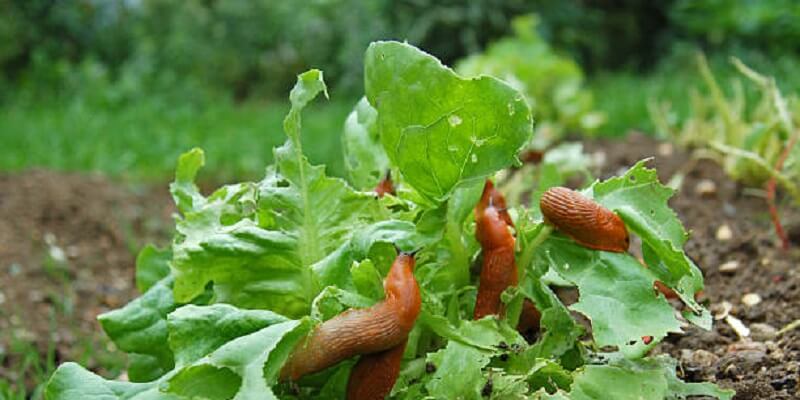
Despite all the technological innovations and modern methods, one of the most effective humane, and pet-friendly ways to get rid of slugs is still good old-fashioned hand-picking. Although this process requires some effort, it often proves indispensable in controlling these stubborn pests.
From my years of experience, I can advise you to “hunt” slugs in the early morning or evening hours, when they are most active, and leave their shelters in search of food. Armed with gardening tools and a collection container, carefully inspect plants, soil, and any potential pest hiding places. You can use garden shears or tweezers for convenience.
Use a flashlight or LED headlamp for better visibility at night. Slugs often hide in the most unexpected places, such as under fallen leaves, in cracks in tree bark, or even in the crevices of garden furniture.
As slugs are found, carefully collect them and place them in a prepared container. Try not to crush or mutilate them as this can leave an unpleasant odor that attracts new pests.
Once the collection is complete, the question of humane disposal of the collected slugs comes up. Here I recommend several safe and ethical options. One is to take the catch a considerable distance from your property and release them in a forest or vacant lot where they will be comfortable. Another option is to place the slugs in an airtight container and expose them to the sun – after a while the high temperature will lead to their humane death.
For those who are not squeamish about more radical methods, there is an opportunity to dispose of the collected slugs as fertilizer or poultry feed. However, it is important to use caution here and make sure you are not using chemical repellents or poisons in your pest control efforts.
Regardless of the disposal method you choose, regular manual collection of slugs is one of the keys to success in slug control. It’s a method that can significantly reduce the population on your property. And when combined with other strategies, it can help you get rid of these pesky pests for good.
Attracting Natural Predators
Don’t forget about such tireless allies as hedgehogs. These spiny animals feed mainly on insects and slugs, so their presence in your territory will only be beneficial. Provide them with special houses or natural hiding places and they will happily settle in your garden.
In addition to birds and hedgehogs, dung worms can also be effective helpers in the fight against slugs. These laborers not only improve the soil structure but also actively eat eggs and young slugs, regulating their numbers naturally.
Attracting predators to your plot has several undeniable advantages. Firstly, it is an environmentally friendly and safe method that does not require the use of chemicals. Secondly, it allows you to preserve the natural balance and does not disturb the ecosystem of your garden. And finally, such helpers will work for you around the clock, without weekends and holidays, constantly curbing the pest population.
Of course, predators alone may not be enough to completely defeat slugs. Therefore, they should be considered as part of a comprehensive strategy that includes other control methods. Nevertheless, their role cannot be overemphasized, as they not only help to get rid of pests but also maintain a healthy ecosystem in your garden.
Chemical Methods
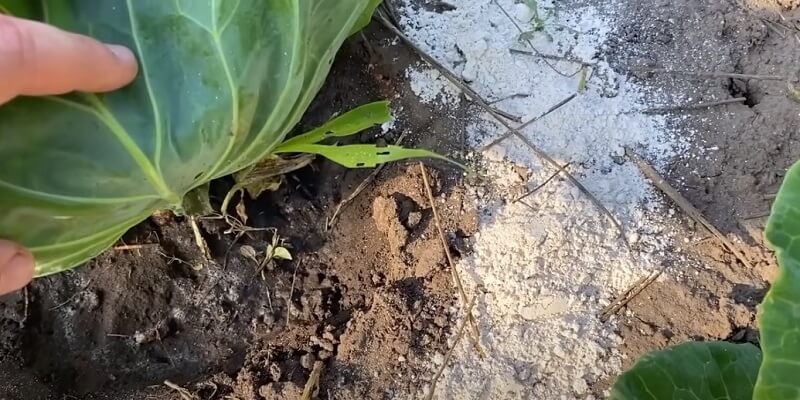
For those who prefer more drastic measures, there are specialized chemicals such as methaldehyde or iron phosphate.
However, I would not recommend their use unless necessary as they can be dangerous to pets, beneficial insects, and damaging to the environment. Iron Phosphate- this organic substance is only toxic to slugs but is harmless to warm-blooded animals at recommended doses.
Monterey Sluggo Wildlife and Pet-Friendly Snail & Slug Killer
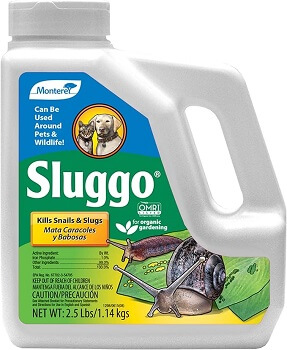
Features:
- Two in one: both a bait and a killer.
- Alternative to traditional baits: contains iron phosphate that naturally degrades into fertilizer.
- Safe for pets and wildlife.
- 1 pound (453 g) covers 1,000 square feet (93 m²).
- Durability: the effectiveness of the product may be reduced by exposure to rain.
Garden Safe Slug & Snail Bait
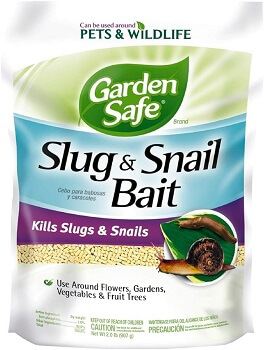
Characteristics:
- Suitable for use around flowers, in gardens, vegetable beds, and fruit trees.
- Kills in 3-6 days: Slugs and snails stop feeding and die within a few days.
- For lawns and gardens: Spread granules over the lawn or on the soil around any flowers, beds, vegetable plants, or fruit trees where garden pest control is needed.
- Safe for pets and wildlife: Apply in the evening.
- For organic gardening: The product is certified by OMRI (Organic Materials Review Institute).
If you do decide to use chemical repellents, strictly follow the instructions on the package and observe all precautions. Try to use them locally, only in places where slugs congregate, and avoid treating entire beds or plots.
Regardless of the chosen repellent method, it is important to regularly renew repellents as their effectiveness decreases over time.
How to Get Rid of Slugs in Your Compost Bin
Having slugs in your compost bin can be a real problem, but there are some effective ways to get rid of them:
- Sprinkle ash on top of the compost. The ash will help dry out the compost mass, which will deter pests.
- Scatter crushed eggshells over the compost. Its sharp edges will wound the soft bodies of the slugs, forcing them to leave.
- Tobacco dust or red pepper These natural repellents with a pungent odor and stinging taste will scare slugs away from the compost bin.
- Add enough dry sawdust or leaves to your compost. This will help to reduce the humidity of the environment.
- Mix the compost regularly with a pitchfork or rake, disturbing the slugs.
- Place bird feeders and hedgehog houses near the bin. They will be your natural helpers.
- If the infestation is severe, you can steam or calcinate the compost mass to kill the slimy invaders.
- Avoid acidic materials: Slugs like an acidic environment. Add some lime or dolomite meal to the compost to make it more alkaline.
- Place boards on top of the compost bin. Pests will hide under them during the day, and you can collect and remove them.
- Cover the compost bin: This will help prevent slugs from getting into the compost.
- Use diatomaceous earth: Diatomaceous earth is a natural powder that kills them.
It is important to inspect the bin regularly and apply a range of measures to prevent land molluscs from breeding in the compost.
Conclusion
Fighting slugs is a real challenge for gardeners, requiring patience and a comprehensive approach. Only by combining different methods and applying them regularly can you achieve long-term success in protecting your plants from these voracious pests.
Create barriers, use deterrents and traps, attract natural predators and, of course, don’t forget hand-picking. Each of these methods is effective in its way, but it is their combined application that will completely get rid of slugs or at least minimize their population.
Be persistent and inspect your garden regularly, reacting promptly to any signs of pests. Do not give up and remember: with proper patience and following all the recommendations, you are sure to permanently rid your garden of pesky slugs, ensuring healthy growth and a rich harvest of your favorite crops.