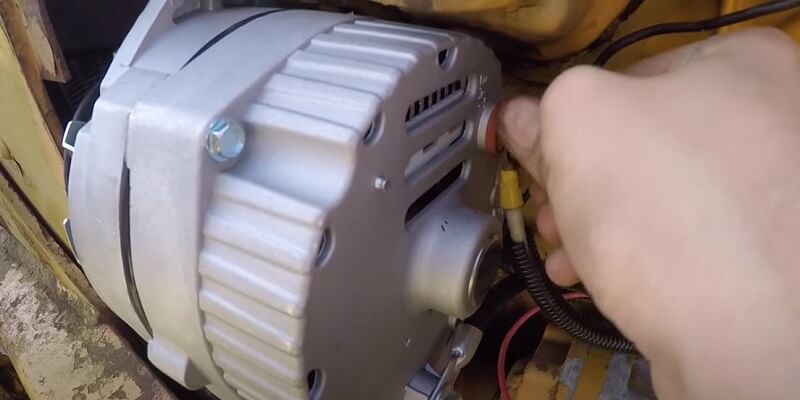
To hook up a 3 wire alternator on a tractor, you need to securely connect the battery positive wire to the alternator’s positive terminal, ensuring a reliable power supply to charge the tractor’s battery and power its electrical components.
Tractors, like many other vehicles, rely on a functional electrical system to operate efficiently. One of the most important components of this system is the alternator, which is responsible for generating electricity and charging the tractor’s battery.
The three-wire alternator, a popular choice, requires precise wiring to ensure smooth operation in the tractor’s electrical system. This in-depth guide delves into the specifics of wiring a 3-wire alternator on a tractor, offering detailed information and step-by-step instructions.
What Is A 3-wire Alternator?
A three-wire alternator is an electrical generator that produces alternating current, which is then converted into direct current. It has three main wires: a positive output wire, a negative ground wire, and a sense wire.
The positive output wire charges the tractor battery, providing a charge to the battery. The negative ground wire forms a complete circuit with the tractor frame, and the sense wire allows the generator to adjust its output based on the tractor’s electrical load.
Components Of A 3-wire Alternator
The three-wire alternator is the key electrical component that converts mechanical energy into electrical energy. It consists of three main wires that play different roles in the functioning of the generator and the electrical system.
The Functions Of Each Wire Are
- Positive Wire: This wire is responsible for transferring positive charge from the alternator to the battery, allowing it to charge.
- Negative Wire: This wire provides the grounding of the system, working off the negative charge and allowing the alternator to operate efficiently.
- Sensing Wire: This wire plays a crucial role in voltage sensing and reg.
Preparing for Wiring
Before you begin the wiring process, make sure you have the necessary tools and materials ready:
- Wrenches and screwdrivers: different sizes for bolts and screws.
- Wire cutters and wire strippers: for cutting and stripping wires to the required length.
- Duct tape: For insulating and protecting connections.
- Wire connectors: Ensure a safe and secure connection between wires.
- Multimeter: For measuring voltage and checking the accuracy of connections.
Safety Precautions
Disconnect the battery-make sure that the tractor battery is disconnected to prevent electrical accidents during the connection process.
Wear protective equipment. Use safety glasses and gloves to protect yourself from potential hazards.
Work in a well-ventilated area. When working indoors, provide good air circulation to disperse fumes and odors from electrical components.
Wire Identification
In a typical 3-wire alternator, the wires are color-coded as follows:
- Positive wire: usually red or orange, indicating a positive connection.
- Negative wire: usually black, indicating a negative or ground connection.
- Sensing wire: often marked with an “S” and can be different colors indicating the sensing wire.
Voltage Check
Using a multimeter, check each wire for voltage.
The positive wire should have a positive voltage reading, the negative wire should have zero or near-zero voltage, and the sense wire should have a variable voltage depending on the needs of the system.
How To Wire A 3 Wire Alternator On A Tractor: Step-By-Step Guide
Wiring a 3-wire alternator involves a series of steps to ensure proper connection and functionality. Here is a simple step-by-step guide:
1. Disconnect the battery
Begin by disconnecting the tractor battery to ensure safety during the wiring process. This action ensures there is no power to the system, reducing the risk of electrical shock or damage during the wiring process.
2. Use mounting brackets for the generator
For a stable and safe installation, fabricate or use appropriate mounting brackets to properly position the alternator on the tractor. These brackets must be sturdy and ensure that the alternator is securely mounted.
3. Identify the wiring
A typical three-wire alternator consists of three main wires: positive output, negative ground, and sense wire. Identify these wires for proper wiring.
4. Connect the positive output wire
Connect the generator’s positive output wire to the positive terminal of the tractor battery. This wire transfers the charge generated by the alternator to the battery for storage.
This connection allows the electrical charge generated by the alternator to flow directly to the battery, ensuring that the battery remains charged.
5. Ground the alternator
Ground the alternator by connecting the negative ground wire to the tractor frame or any other suitable grounding point. This creates a complete electrical circuit.
6. Connect the sensing wire
Connect the sense wire to the ignition switch or any switchable power source. This wire allows the generator to sense the electrical load and adjust its output accordingly.
7. Connect the battery
Connect the tractor battery after the wiring connections are complete. Double-check all connections to make sure they are secure and properly fastened.
Testing and troubleshooting
After wiring, double-check all connections to make sure they are tightened and properly secured.
If you experience any problems, such as erratic power output or charging failure, check the wiring again and make sure each wire is properly connected to the appropriate terminal.
Reconnect the tractor battery and check the smooth operation of the system.
Conclusion
Wiring a 3-wire alternator for your tractor is an important task to ensure stable and reliable power to your various electrical components. Following the correct steps to identify, connect, and check the wires will contribute to the smooth operation of your tractor’s electrical system. Regular inspections and maintenance will further ensure the longevity and efficiency of the generator.
This issue is also a topic of discussion on various forums, such as Yesterdaystractors.
Frequently Asked Questions
1. Can I replace the 2-wire alternator on my tractor with a 3-wire alternator?
Yes, it is possible to upgrade your tractor’s alternator from a 2-wire system to a 3-wire system. You will need to follow the specific wiring instructions for the 3-wire alternator to ensure a successful upgrade.
2. Can I use aftermarket wires to connect my generator?
While it is possible to use aftermarket wires, it is recommended that you use wires that meet the specifications and requirements outlined in your tractor’s owner’s manual or the alternator manufacturer’s manual to ensure optimal performance and safety.
3. How do I troubleshoot if my alternator is not charging the battery?
If your alternator is not charging the battery, check the connections, inspect the wires for damage, and use a multimeter to measure the voltage at various points. If the problem persists, call a professional for a thorough diagnosis.
4. Are there any specific maintenance tips to extend the life of a three-wire alternator?
Clean and inspect the connections regularly, making sure they are tight and free of corrosion. Also, keep the generator and surrounding area clean so that dust and debris do not affect its operation.
5. What should I do if a sensitive wire is damaged?
If the sensing wire is damaged, it is extremely important to replace it immediately with a wire of suitable characteristics. Avoid operating the tractor without a functional sensing wire, as it plays a vital role in regulating generator power.
6. What happens if I connect the wires incorrectly?
Incorrectly connecting wires can cause electrical problems, damage the generator or even jeopardize your safety. It is critical to follow the correct wiring process to avoid such problems.
7. Can I use any color wire as a sensing wire?
Although the sensing wire can be different colors, it is important to follow the manufacturer’s recommendations or the color coding listed in the generator manual to ensure the correct connection.
8. How often should the generator wiring be checked?
Regular inspections are recommended, especially during routine maintenance. Inspect the wiring for signs of wear, corrosion, or loose connections to ensure the electrical system is reliable.
9. What should I do if my multimeter readings are not as expected?
If your multimeter readings are not what you expect, check the connections again and refer to your generator manual. Incorrect readings may indicate a wiring problem or alternator malfunction.
10. What is the purpose of the sense wire in a 3-wire alternator?
The sense wire in a 3-wire alternator allows the alternator to monitor the electrical load in the system. Depending on this load, the generator adjusts its output to efficiently meet electrical needs.
11. Can I use any alternator for my tractor?
It is very important to select a generator that meets the specifications and requirements of your tractor. Consult your tractor manual or seek professional advice to ensure proper installation.
12. What is the purpose of the sense wire in a 3-wire alternator?
The sensing wire in a 3-wire alternator allows the alternator to monitor the electrical load in the system. Depending on this load, the generator adjusts its output to efficiently meet electrical needs.
13. What precautions should be considered when wiring a 3-wire alternator?
Before proceeding with wiring, make sure the tractor battery is disconnected to prevent electrical accidents. Also, follow proper insulation and grounding practices to ensure safety during and after installation.
By following these steps and understanding the key components, you will be able to successfully connect a 3-wire alternator to your tractor, ensuring optimal electrical performance. Always prioritize safety and refer to your tractor manual for specific instructions.