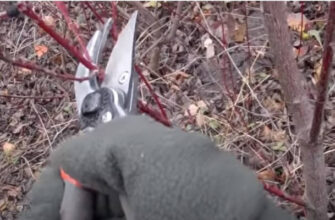
Your country house can be relaxing and taxing at once; keeping its gardens neat requires much hard work and energy.
If garden tools are lying around, the work becomes more difficult and requires more energy. To avoid this, you need to know the basic principles of maintaining order among the tools, how to equip a storage place for garden tools in the country house with their own hands.
Storage places for tools
Among all the varieties of garden constructions, the most commonly used are various sheds, garages, and utility blocks to keep their tools there. A shed is a small structure or a decorative house of non-residential purpose on a dacha plot, used for different purposes: as an organizer, to carry out storage of garden tools, garden equipment, some animals, hay, the use of the shed as a workshop, etc.
According to the material of manufacture, sheds are divided into the following types:
- Brick ones require quite a lot of expense for construction, but in the future will last long and reliable, allow you to use them for all kinds of purposes, have an aesthetic appearance and a roof resistant to all types of precipitation.
- Wooden ones are cheaper and easier to maintain and build but not as durable as brick ones, as they lose their aesthetic appearance over time.
- Penoblock ones are easy enough to build, economical in costs, laying building material during construction is faster and easier, and they can last longer than wooden barns.
The frame is built quickly and inexpensively and will last a long time.
Before building a shed, you must decide what will be used: it depends on its design, size, and technical features. For example, to store heavy garden equipment is to build a spacious room, and the laying of firewood is suitable, and a simple shed, that is, in this case, without a shed, can be done.
If you do not have much time or do not want to complicate yourself with constructing a new structure, you can use the already built. For example, if a toilet on the site is not used for its intended purpose, it can be adapted to store equipment.

Some owners of dacha plots use garages for storing garden tools. This option may be suitable if it does not store a vehicle, or the inventory is not very much, and it can be placed even if there is a car, motorcycle, or other transport on the premises. However, it is worth considering that the convenience and accessibility of tools, in this case, will not stand in the first place.
It is also possible to use the basement or attic to store inventory. Still, this option and the garage are not very convenient because you will need to go down or up for tools every time, which can also be heavy and uncomfortable to carry.
Based on all of the above, the best option would be exactly the shed, so below will be listed variations with it.
Arrangement of the workplace
Once the appearance, material, and technical characteristics of the future shed have been decided, it is time to start building it. Depending on their skills and the complexity of construction, you can make a room (which will allow the storage of garden tools) with their own hands or invite specially trained people. It is best to place the shed in a place that is close to the house, vegetable garden, and other key places on the garden plot. This will save time and effort in the process.

As for the interior arrangement, all kinds of shelves, cabinets, hooks, stands, racks, and drawers should be arranged so that the necessary tools can be easily and quickly reached. The devices themselves for storing tools and other things will be described below.
Important! If you live in a region with cold weather, you need to think about how to keep your tools warm and dry. Therefore, you should take care that there are no cracks and holes in the walls, and additionally insulate them. This can be done both by natural means (straw, moss, clay) and artificially created, such as installation foam.
At the same time, high humidity in the room should not be allowed, as there is a risk of rust and mold. Moisture-absorbing materials can help dry sawdust, straw, hay, peat, moss, etc. The exact means at the same time help to insulate the room.
Vertical storage of tools and implements
Storage of garden tools can be divided into 2 ways:
- Horizontal
- Vertical (wall-mounted)
To optimize the order in the room, it is worth using both options. With vertical storage of equipment on the walls, you can attach various hooks, shelves, and holders for garden tools.
Please note! When storing potentially dangerous items such as a shovel, rake, mattock, sickles on the walls, you need to make sure that they are securely fixed there and will not fall. Otherwise, the consequences can be very different and not always positive.
It is also essential if there are children in the family and they like to play outside. They should be told about safety procedures and warned that the barn is not a place to play. This will help avoid dangerous situations later on.
In general, using the barn’s walls and doors helps save space. You can buy or sew your rag bags and combine them to store small items, such as gloves, rags, and small brushes. Such a construction can be hung on the wall and the door.

A good option would be to hang shelves where you can place pots, boxes, and other small tools. Moreover, the shelves are easy to make, and hanging them yourself on the wall is not difficult. They can be made of wood, plastic, metal, and other materials.
Also, using metal sheets with perforations is not a bad way to store inventory on the wall. Such a device can be made by yourself and subsequently hung on suitable tools; for example, a hook or hanger will be suitable for storing rags and some equipment. An alternative to these sheets can be rails – a system commonly used in the kitchen or bathroom for hanging mugs, table items, and towels on it hooks. Their significant advantage is that they do not take up much space and can hold enough tools. This system can be hung both on the wall and on the door.
Using racks to store inventory
A good alternative to shelving will be a cabinet: it is not difficult to construct it yourself, and closing doors will add aesthetics to the room and allow you to maintain order there. In addition, depending on the purpose, the closet can accommodate all kinds of drawers and mezzanines, which adds functionality.

Storing tools and other things in containers
Another great way to keep your tools in order is to use containers and crates. A small box is suitable for storing small items, and you can also break it up into sections to sort out the small stuff. Larger containers can hold different trowels, spatulas, brushes, rags, and small tools. You can also use a large metal tool storage container at the cottage to keep your equipment in working order.
Important: Small items such as nails and screws can be stored in jars and placed on shelves and in containers and drawers, thus having quick access to important parts.
Thus, maintaining order in the garden plot is enough to turn on the imagination. Adhering to the above tips, you can build reliable storage for garden tools, which will last a long time and be an indispensable assistant in the work in the garden.
Storage of garden equipment
Proper storage of garden tools is essential to ensure their longevity and efficiency. Storing your gardening tools properly not only keeps them organized and easily accessible but also prevents them from getting damaged or corroded.
Here are some additional tips for storing garden tools:
Clean your tools thoroughly: Before storing your gardening tools, thoroughly clean them of dirt, debris, and moisture that can cause rust or other damage. Use a stiff brush and warm, soapy water to clean the tools, and dry them thoroughly before storing them.
Lubricate metal parts: To prevent rust and corrosion, apply a light oil coating to the metal parts of your garden tool. This will create a barrier that protects against moisture and other environmental factors.
Store in a dry place: Moisture is one of the biggest threats to garden tools, so storing them in a dry place is essential. If possible, store them indoors or in a weather-protected shed or garage.
Hang your tools: Keeping your garden tools hanging is a great way to keep them organized and prevent damage. Use hooks or pegs to hang your tools on a wall or board, or consider investing in a tool rack designed specifically for garden tools.
Use a tool storage solution: Many tool storage solutions are available to help keep your gardening tools organized and easily accessible. Tool bags, tool belts, and tool boxes are all great options to help you keep your tools in good condition.
Sharpen your blades: Sharp blades are essential for effective pruning and cutting, so be sure to sharpen your garden tool blades before storing them. This ensures they will be ready to use when you need them again.
By following these tips, you can keep your garden tools in good condition and ensure they are ready to use when needed. Not only will proper storage help you save money in the long run, but it will also ensure that your garden tools are always ready to help you with your next gardening project.
Sources
These sources were used in writing this article:
- The Spruce – “Garden Tool Storage Tips” – This article offers detailed tips and instructions on how to store and maintain garden tools to ensure their longevity properly.
- Better Homes & Gardens – “10 Smart Garden Tool Storage Ideas” – This article offers creative and practical ideas for storing garden tools, including tool racks, peg boards and repurposed items.
- This Old House – “How to Store Garden Tools” – This article provides step-by-step instructions for cleaning and storing garden tools to prevent damage and corrosion.
- Gardener’s Supply Company – “How to Store Garden Tools” – This article offers tips and solutions for storing garden tools, including tool sheds, racks and tool belts.
- The Home Depot – “How to Store Garden Tools” – This article provides information on the best ways to clean, lubricate and store garden tools and tips for organizing tools in a shed or garage.
Using these sources as a starting point, you can gather lots of tips and advice on storing and maintaining your garden equipment properly. Remember also to consider your needs and budget when choosing garden storage solutions.