To keep chipmunks out of garden, several tactics should be used, including fencing, removing fallen fruit, and planting aromatic herbs. Netting, visual deterrents and ultrasonic devices are also useful in this regard.
Mesh stretched across the top and sides of the fence will provide an additional barrier to chipmunks. Add some spice: sprinkling the garden with cayenne nut, chili powder or other hot, intense spices is a non-toxic way to deter chipmunks.
Chipmunks in the Garden
If you have ever encountered chipmunks in your garden, you know how much of a nuisance it can be. They love to dig, climb, and snack on just about anything they can find in your garden. Nothing is safe from their eating, from seeds and bulbs to your favorite flowers and fruits. Signs of their presence include holes, disturbed soil, and missing or overbite fruit.
In my garden, I’ve noticed that chipmunks like to dig holes not for fun but to store their prey – and these holes can be a real headache. I’ve found their tunnels and burrows scattered around my garden more times than I’d like to admit.
Chipmunks spoil the roots of plants, which is bad for their health. Plus, it feels like a war zone, not the lush oasis you were aiming for.
In this article, I’ll share some practical tips and strategies I’ve used personally and those recommended by other gardeners to keep chipmunks out of the garden.
Plant Aromatic Plants to Keep Chipmunks Out of the Garden
One method often used is planting garlic, velvet, and daffodils around my garden. Growing herbs such as mint, rosemary, or basil will also help deter chipmunks from garden.
These aromatic plants emit odors that chipmunks find unappealing. Chipmunks seem to have an aversion to these plants’ smell and taste, which makes a noticeable difference.
Remember that using a combination of these aroma and taste deterrents can be more effective than just one. The goal is to make your garden less attractive to chipmunks; in my experience, these methods have proven practical and environmentally friendly.
Setting Traps Humanely
Humane trap setting can be a practical way to deal with a chipmunk infestation without causing unnecessary harm.
Purchase live traps designed for small rodents. These traps allow you to catch chipmunks without harming them. Place them strategically in areas where you have observed chipmunk activity, such as near their burrows or along their usual routes.
Anyhall 2-Pack Humane Live Chipmunk Trap
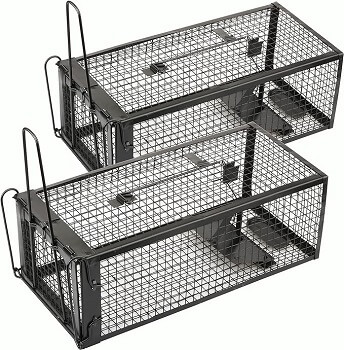
The Anyhall 2-Pack Rat Traps – humane solution for catching and relocating rats, mice, and chipmunks, both indoors and outdoors. These live cage traps are designed for effective pest control without harm.
Features:
- Size. Each trap measures 12.5 x 5.5 x 4.5 inches, providing ample space to safely catch small rodents.
- Sensitive Trigger. These traps feature a larger trigger pedal compared to similar traps, ensuring a swift response when triggered.
- Instant Closure. When the pedal is activated, the door swiftly closes, and an auto door lock prevents animals from escaping.
- Easy to Use and Clean. These traps are user-friendly and easy to maintain. They are also reusable, making them a practical choice for pest control.
- Limitations. Please note that these traps are not suitable for big squirrels and opossums due to their ability to chew through the wire or break the trigger mechanism.
The Anyhall 2-Pack Rat Traps offer a humane and efficient way to manage small rodent infestations. These traps are your go-to solution for safely capturing and relocating unwanted guests while ensuring easy setup and maintenance.
Place bait in the back of the trap to lure chipmunks inside, such as peanut butter or sunflower seeds.
Be sure to check traps regularly, preferably daily.
Chipmunks are resourceful, and you don’t want to leave them in a trap for too long. Once they are trapped, find a suitable place to move away from your garden and release them. In my experience, a good rule of thumb is a distance of at least five miles.
When handling chipmunks, remember to wear gloves to avoid contamination by odors. This is a safety measure that helps minimize stress on the trapped chipmunk.
Humane trap setting may not be the best choice for everyone, but it is an effective approach if you prefer a more compassionate way of handling these critters.
Familiarize yourself with local regulations and laws regarding the capture and movement of wildlife. It is important to comply with all legal requirements in your area.

Use Repellents to Keep Chipmunks Away From the Garden
In my experience, using repellents can be a reliable defense against chipmunks.
Repellent sprays are readily available and often contain natural ingredients such as garlic, hot peppers, or predator urine that chipmunks repel.
Regularly applying these sprays to plants can create an invisible barrier that will keep insects at bay.
Granular repellents are another option. These are spread throughout the garden and can be quite effective. They usually have a strong odor that will keep chipmunks out of the garden.
TSCTBA Chipmunk Repellent Outdoor

STRONG REPELLER SQUIRRELS has undergone extensive testing to ensure its effectiveness in repelling these critters, protecting your property and preventing damage.
Features:
- Effective Repellent. Squirrel repellent is specially designed to quickly and effectively deter squirrels and chipmunks. Say goodbye to wire-chewing and engine-nesting nuisances around your vehicles.
- Easy Application. Applying the repellent is a breeze. Simply place it in the areas you want to keep squirrel-free, whether it’s your garden, basement, kitchen, deck, attic, or near trash cans and sheds.
- Long-Lasting Protection. Repellent offers lasting effectiveness, keeping squirrels away for a substantial period of 60-90 days. This means fewer refills and more peace of mind.
- Pet and Plant Safe. Use it as directed to protect your environment without worry.
- Environmentally Friendly. All-natural ingredients not only repel squirrels humanely but also contribute to a more eco-friendly solution, ensuring a harmonious coexistence with nature.
With STRONG REPELLER SQUIRRELS, you can safeguard your property and enjoy a squirrel-free environment without harming these animals. It’s a safe, natural, and effective way to keep your surroundings free from unwanted furry visitors.
Keep in mind that different repellents may work better in different situations. It is often through trial and error to figure out what is most effective in your garden.
When using repellents or sprays, follow the instructions on the product label. Some repellents may not be safe for pets and children, so use caution.
Use Gravel to Fill Holes and Create Barriers
Gravel can be a practical way to combat chipmunk burrows and create effective barriers in your garden.
When you notice those pesky chipmunk burrows, fill them with gravel. It serves a dual purpose: not only does it block access, but it also makes it inconvenient to dig. In my opinion, this is a win-win solution.
Limit Food Sources
One effective way to control chipmunks in your garden is to limit their access to food sources. This approach can significantly reduce their presence.
Remove fallen fruit, seeds, and nuts from the ground. Chipmunks are opportunistic feeders, and removing a food source discourages them from lingering in your garden.
- If you have bird feeders in your garden, consider using dividers or raised feeders.
- If you feed your pets outdoors, store their food in safe containers.
- If you have a compost pile, keep it covered.
As part of your gardening efforts, make it a habit to keep your garden clean and avoid potential chipmunk snacks. By limiting food sources, you make your garden less attractive to chipmunks, which may encourage them to seek sustenance elsewhere.
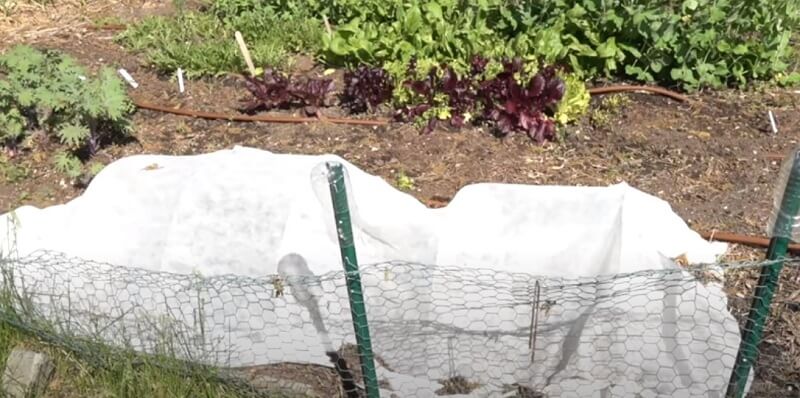
Use Bird Fittings and Netting
Some gardeners, use hardware and bird netting against chipmunk infestations.
Hardware cloth -This is a strong mesh material that can be placed on the soil in the beds. This forms a protective barrier that prevents chipmunks from digging up your plants.
Bird netting -This lightweight fine mesh netting covers your plants, creating a physical barrier that chipmunks can’t get through. This is especially useful for protecting fruit trees, berry bushes, and other vulnerable plants.
Installing an Ultrasonic Device: Light and Sound
In my experience, installing an ultrasonic device that combines light and sound can be an effective way to deter chipmunks from your garden.
These devices emit shrill sounds and flashing lights that annoy chipmunks, and other wildlife such as neighborhood cats. They create a zone of discomfort around your garden that chipmunks try to avoid.
Solar Animal Repeller Outdoor Ultrasonic
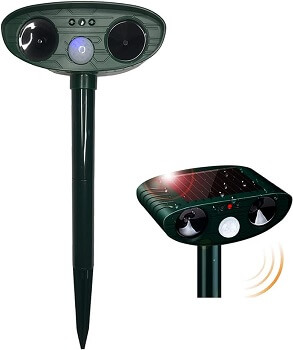
The “Solar Animal Repeller Outdoor Ultrasonic” is an effective and practical solution for keeping unwanted animals and pests away from your outdoor spaces. This repeller utilizes ultrasonic technology to emit sound waves that are unpleasant for animals like chipmunks, squirrels, raccoons, and more, deterring them from entering your yard or garden.
Features:
- Solar-Powered. This repeller is equipped with a built-in solar panel, which means it’s energy-efficient and eco-friendly. It charges during the day and operates at night, eliminating the need for batteries or electrical connections.
- Ultrasonic Technology. The device emits high-frequency sound waves that are inaudible to humans but irritate animals, prompting them to leave the area.
- Effective Range. The repeller covers a wide area, ensuring that your garden or yard is well-protected. It’s an excellent choice for larger outdoor spaces.
- Weatherproof Design. Built to withstand outdoor conditions, this repeller is designed to be weatherproof and can handle various weather elements, providing year-round protection.
- Easy Installation. The repeller can be easily installed in your garden, on your lawn, or wherever you need protection. Just insert it into the ground using the included stake.
- Versatile Use. In addition to deterring chipmunks, it can help keep a variety of pests and animals at bay, making it a versatile solution for outdoor pest control.
The Solar Animal Repeller Outdoor Ultrasonic offers a low-maintenance, eco-friendly way to protect your outdoor spaces from unwanted animal intrusions. It’s a cost-effective and practical solution for maintaining the integrity of your garden or yard without harming the animals.
I have used this method in my garden and have found that it is beneficial in areas where other deterrents may not be practical or effective. Just be sure to follow the manufacturer’s instructions for proper installation and maintenance. In my experience, an ultrasonic device can be a valuable addition to your chipmunk prevention arsenal.
Utilize Natural Predators
In my opinion, encouraging natural predators is an effective way to keep chipmunks out of your garden. This method doesn’t require setting traps or using chemical repellents. Try it:
Set up bird feeders in your garden to attract birds of prey such as hawks and owls. These birds are natural predators of chipmunks and can help control their population.
Installing birdhouses for owls can provide a cozy home for these nocturnal hunters. Owls are adept at hunting small rodents, including chipmunks.
If you have cats, give them the opportunity to spend time outdoors in your garden. Cats are natural hunters and can deter chipmunks from garden. By encouraging these natural predators, you are creating a balanced ecosystem in your garden, reducing the chipmunk population.
Eliminate Potential Hiding Places
In my experience, one effective strategy to keep chipmunks out of garden naturally is to eliminate potential hiding places and hiding places.
Chipmunks love to hide in cluttered areas. By tidying up your garden, removing debris, and setting out tools and equipment, you leave them with fewer places where they can find shelter.
Overgrown bushes, tall grass, and dense vegetation create ideal hiding places for chipmunks. Regular pruning and plant maintenance can make your garden less attractive to them.
Logs and stacked rocks can be a favorite hiding place for chipmunks.
By eliminating potential hiding places and hiding places in your garden, you will make it less attractive for chipmunks to set up residence.
Start the Sprinkler
When you notice chipmunk activity in your garden, turn on the sprinklers during their activity hours.
Chipmunks usually forage for food during the day, and a sudden rush of water can startle them. They prefer to avoid wet conditions, so they will quickly flee in search of drier ground.
What Else Do Gardeners Recommend
If you want to protect your garden from chipmunk invasion, building a fence can be a reliable solution.
Chipmunks fear predators, and rubber snakes can mimic the threat. Plastic decoys in the shape of an owl or hawk can act as a visual deterrent, making chipmunks believe predators are nearby.
Consumption of blood meal can deter chipmunks from garden. They don’t like the smell of this organic fertilizer and tend to stay away.
Scatter dog hair all over the garden. The odor of potential predators can scare away chipmunks.
Used coffee grounds have a strong odor that chipmunks do not like.
A mixture of apple cider vinegar and water can be sprayed in the garden to create a barrier to odors that chipmunks find unpleasant.
Epsom salt can be used as a natural chipmunk deterrent. It disrupts their sense of smell and makes your garden less attractive to them.
Spraying plants with lemon juice can make them less attractive to chipmunks because of the citrus scent.

Call in the Professionals
There are situations when it’s best to call a professional to solve a chipmunk problem in your garden.
These are the cases in which I recommend calling a professional for help:
- If your garden is infested with chipmunks and the damage is significant, this may be a sign that professional intervention is needed.
- In some regions, there may be legal restrictions on capturing and relocating wildlife. If you are unsure of your region’s regulations, it is best to consult with a wildlife specialist who is well-versed in local laws.
- If you’ve tried several do-it-yourself methods and haven’t seen any significant improvements, it may be time to bring in a professional with wildlife management experience.
- If you want to keep chipmunks out of garden, a professional can use humane and ethical methods.
Remember, contacting a professional does not mean that you have failed; it means that you are taking a responsible and informed approach to a chipmunk problem that may be beyond your expertise.
Signs That Your Garden is Being Infested with Chipmunks
When chipmunks aren’t busy digging, they chew on whatever they can find. I’ve seen them nibble on seeds, bulbs, flowers and fruit.
For them, it’s like a buffet of unlimited food. And, as any gardener knows, it’s incredibly frustrating to put in all that work only to have chipmunks turn your garden into their own personal snack bar.
Here are some obvious signs to look out for:
- Holes and tunnels. If you start to notice small holes and tunnels around your garden, especially near plants and flowerbeds, this is a red flag. Chipmunks are prolific diggers and these burrows are often the work of their hands.
- Nibbled plants: keep an eye on your plants. If you see leaves with bite marks or missing flowers and fruit, it’s a clear sign that chipmunks are making themselves at home.
- Stolen seeds and bulbs: Chipmunks are known for snatching seeds and bulbs from the ground. If you find your newly planted seeds mysteriously disappearing, chipmunks could be the culprits.
- Scattered shells: chipmunks like to snack on seeds and nuts and often leave behind shells. If you notice these leftovers scattered around your garden, chipmunks have likely come to visit.
- Droppings: Chipmunk droppings are small and pellet-like. If you find them in your garden, this is a sure sign of their presence.
- Garden chaos. In general, if your once neat and thriving garden is starting to look like a disaster zone with disturbed soil and upside-down plants, you may have an infestation on your hands.
Recognizing these signs early on can help you take action before the chipmunk population gets out of control.
How Do You Keep Chipmunks Out of the Garden – VIDEO
Conclusion
From building fences to utilizing natural deterrents and even using ultrasonic devices, there are various methods you can implement to protect your garden. The key is to be proactive, remain vigilant, and use the methods that work best for your particular situation.
Chipmunks can be persistent, but with determination and a little knowledge, you can enjoy a chipmunk-free garden.