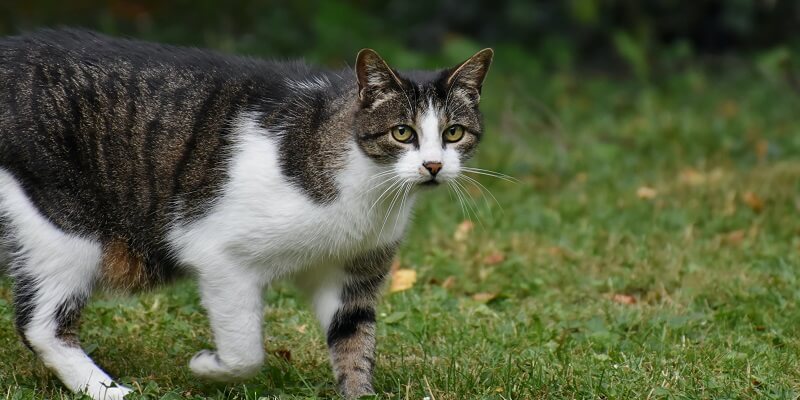
Want to know how to keep cats out of the garden?
Well, we’ve got some tricks up our sleeves! Mulch, pleasant scents, a splash of water, or some ultrasonic magic – take your pick. Just remember: let’s make it cat-friendly and do no harm!
If the neighbors or your cats have turned your manicured lawn into a favorite entertainment spot, don’t worry! There are ways to keep cats away from the garden.
Scaring cats away is easier than you may realize. Just a gentle nudge: always prioritize cats’ welfare by ensuring they are not harmed. I’ll tell you about common and effective ways in my experience next.
1. Use Odor to Deter Cats
Cat repellents are a great way to deter cats from entering your garden. They can be in the form of purchased or homemade sprays or pellets and usually contain scents that cats find unpleasant, such as citrus, pepper, or vinegar.
Apply them around the perimeter of the garden and reapply as needed. Spray with citrus essence or pepper, which cats find as appealing as a bath (and we know how most cats feel about water!).
In my experience, anything with a citrus scent, from peels to sprays, can work wonders. I’ve even heard that coffee grounds scattered around can scare them away.

Of course, creating your cat repellent is not difficult at all. One of the effective options, made with your hands, involves using citrus peels. Cats generally don’t like the smell of citrus fruits such as lemons, oranges, or limes. Here’s how you can do it: pick the peels of these fruits and boil them in water for about 15-20 minutes. Once cooled and strained, pour the liquid into an atomizer.
Now, spray this citrus-infused water at the places you want to scare the cats away from. Reapply every few days, especially after rain to maintain its effectiveness. Always test a small area first to ensure it won’t damage the surface. This natural repellent is a humane way to deter cats without harming them. Try it!!!
Another option is vinegar – it smells like kryptonite to cats. A little vinegar diluted with water and sprayed around can create a cat-free zone.
Cats have their olfactory preferences and we can use this to make our garden less attractive.
Cat Repellent Outdoor and Indoor Spray

Cat Repellent Outdoor and Indoor Spray 32 is a versatile solution to protect indoor and outdoor spaces from unwanted cat visits. This product is designed to deter cats from certain areas, making it a good choice for those who want to protect their gardens, furniture, and other designated areas.
Pros:
- Effective Deterrent: The spray employs organic ingredients that cats find unpleasant, discouraging them from entering treated areas.
- Multipurpose Use: This cat repellent is suitable for indoor and outdoor use, allowing you to protect various areas of your home.
- Safe and Organic: Made with organic components, this spray is a humane choice to deter cats without causing them harm.
- Easy to Use: Simply spray the solution in desired areas to deter cats, making it a convenient and user-friendly option.
Cons:
- Reapplication Required: Depending on weather conditions, the spray may need frequent reapplication to maintain effectiveness, especially after rain or heavy moisture.
- Scent Sensitivity: Some users may initially find the repellent’s scent strong, although it diminishes over time.
- Surface Compatibility: It’s essential to test the spray on a small, inconspicuous area to ensure it won’t stain or damage surfaces, as it may not be compatible with all materials.
The Cat Repellent Outdoor and Indoor Spray 32 is an effective tool for maintaining a cat-free zone in and around your home. However, regular reapplication and surface compatibility should be considered to make the most of this product.
2. Install Physical Barriers
Not the easiest and most affordable method, but still effective is a high and smooth fence.
Smooth, so they can’t grab on. Tall, so they can’t just jump over. I added some smooth plastic sheets at the top, making a “slip and slide” area for any ambitious cat trying to play garden invader. They don’t like sliding games!
3. Use Motion-Activated Sprinklers
Motion-activated sprinklers scare cats with a sudden stream of water, discouraging them from going out into the garden.
Place them to cover areas frequented by cats and adjust the sensitivity to detect their movement.
Motion-activated sprinklers have surprised me with their effectiveness. Cats get a gentle and unexpected splash of water and quickly decide that our garden is not their favorite hangout spot.
Enforcer Motion-Activated Sprinkler
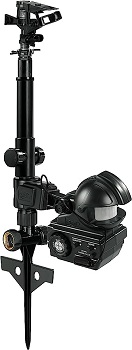
The Enforcer motion-activated sprinkler is a vigilant garden guardian designed to keep uninvited guests, especially cats, at bay. It delivers an amazing but harmless stream of water when motion is detected.
Pros:
Effective Deterrent: The motion-activated feature startles intruders, teaching them to steer clear of your garden without causing any harm.
Customizable Settings: Tailor the sensitivity and spray duration according to your garden’s needs, giving you control over what triggers the sprinkler.
Weather-Resistant Build: Built to endure various weather conditions, ensuring a long-lasting and reliable defense for your garden.
Easy Installation: Setting up the Enforcer is a breeze. No complicated wiring or tools are needed; simply connect it to your hose and stake it into the ground.
Cons:
Water Consumption: As water-powered, consistent use can increase water consumption, especially in regions where water is a concern.
False Triggers: in windy conditions, the motion sensor may be activated, resulting in false alarms. Do not forget about it when you go to your garden,
Maintenance Required: Regular checks and occasional cleaning are needed to maintain its effectiveness and ensure no blockages in the sprinkler system.
I used to set up a few of these near the garden beds, and when the cat launches them, it’s quite amusing to watch them run away.
Keeping a water sprayer or water gun handy can be a lifesaver.
When you spot a cat where it shouldn’t be, a light splash can make it rethink its adventure in the garden. It’s a harmless and simple way to send a clear message: “No cats allowed in this garden!”
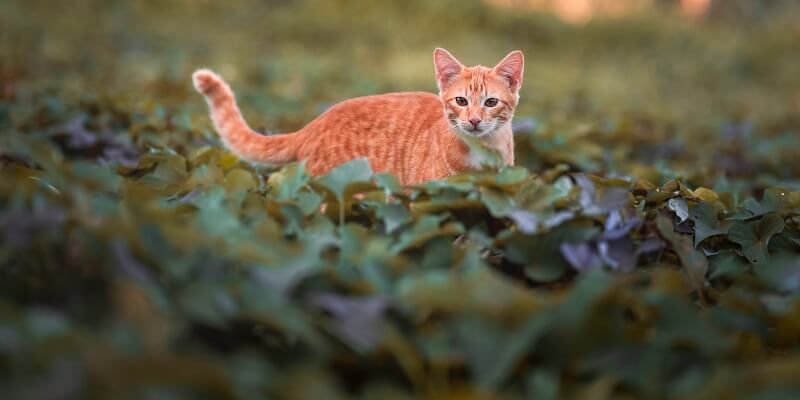
4. Grow Plants That Repel Cats
Some plants have an odor that repels cats. Planting certain herbs and flowers that cats don’t like has been a delightful approach.
I find that lavender, rosemary, and royal mint are fantastic choices. Not only do they add beauty to the garden, but they also deter cats.
For example, I planted lavender along the borders, and the cats seemed to stay away, probably because of its strong scent.
After some trial and error, I discovered that cats don’t like prickly materials. So, adding plants with thorns or rough textures to your garden can work wonders. Think about plants such as holly bushes or rose bushes. They act as a natural deterrent, and cats will quickly decide that this garden is not a comfortable place to hang out. Plus, it will add variety and texture to your garden!
5. Remove Food Sources
Make sure your garden is free of accessible food, such as leftover pet food or unsecured litter garbage cans.
I’ve learned from my bitter experience to keep any potential cat snacks out of sight. Removing tempting food sources such as pet bowls or open trash cans was crucial. If there is no feasting, they are less likely to stick around.
I ensure all pet food is kept indoors, and trash cans have tightly closed lids so there is no room for cats. Fewer food temptations, fewer furry garden visitors!
6. Use Ultrasonic Devices
Ultrasonic devices emit high-frequency sounds that are unpleasant for cats, but not harmful.
Place them strategically in your garden and they will deter cats with sound waves only they can hear.
Broox 2024 Upgraded Solar Animal Repellent
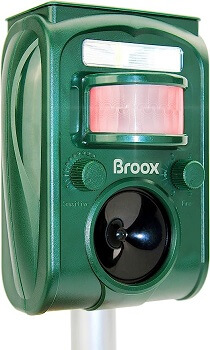
This small device emits ultrasonic waves that irritate cats, but it’s harmless and eco-friendly. You can set it up effortlessly, and it will work tirelessly to scare away curious feline explorers.
Pros:
Efficient Deterrence: The ultrasonic waves it emits are a cat’s least favorite playlist. It won’t harm them, but it will make them rethink their visit.
Solar-Powered and Eco-Friendly: Powered by the sun, this repellent is a champ at conserving energy. It’s a win-win, deterring cats while being kind to the environment.
Easy to Install: Setting up this guardian is a breeze. Find the perfect spot, let the sun power it up, and voila! Your garden becomes a no-go zone for cats.
Weatherproof: Rain or shine, this repellent keeps doing its job. Its waterproof design ensures it stands strong against the elements.
Cons:
May Require Adjustment: Depending on your cat’s persistence, you might need to adjust the settings or device placement to ensure the optimal deterrent effect.
Ultrasonic Range Limits: While effective, the ultrasonic waves have a limited range. Larger areas may need multiple devices for comprehensive coverage.
Initial Acclimatization: Cats may take time to get used to the new element in their environment, so the deterrent effect might not be immediate.
7. Uneven Ground
Now, let’s talk about ground tactics. Cats love soft, smooth ground for their impromptu adventures. So to curb their enthusiasm for garden archaeology, you can make the soil a little harder and add some pine cones, small rocks, or even a layer of mulch to discourage those delicate paws.
Cats tend to avoid areas decorated with rocks or pebbles.
An equally interesting solution is a rug or path with atraumatic spikes that will force cats to stay away from an area of the garden that is important to you.
Homarden Cat Repellent Outdoor – Cat Scat Mat
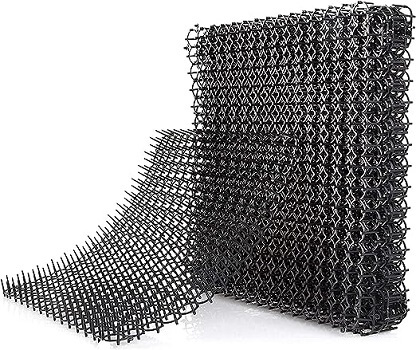
The Homarden Cat Repellent Outdoor – Cat Scat Mat is a smart solution to free your outdoor spaces from unwanted feline visitors. This cat scat mat is designed to deter cats from specific areas, making it an ideal choice for those looking to protect their garden, yard, or other zones around their home. It utilizes a safe and humane approach to discourage cats from digging, scratching, or lounging in unwanted areas.
Pros:
- Effective Cat Deterrent: The mat is designed to deter cats by providing an uncomfortable surface, discouraging them from accessing the protected area.
- Flexible Design: This cat scat mat is versatile and can be easily trimmed and shaped to fit various spaces, making it adaptable to different garden layouts or furniture.
- Safe and Humane: The mat offers a safe and non-harmful method to deter cats from specific areas, ensuring they learn to avoid those spaces without causing them any harm.
- Durable Material: Made from durable and weather-resistant plastic, the mat is built to endure outdoor conditions and withstand the test of time.
Cons:
- Occasional Relocation: Cats may attempt to move the mat or find alternative paths, requiring occasional repositioning to maintain effectiveness.
- Surface Compatibility: It’s important to test the mat on different surfaces to ensure it won’t cause damage or staining, as it may not be compatible with all materials.
- Potential Aesthetics: Some users might find the mat’s appearance not aesthetically pleasing, impacting the visual appeal of the protected area.
Pecan Husk Mulch: a Cat Deterrent
Pecan husks, with their texture and flavor, seem to completely repel cats.
Cats love to dig and scratch loose soil or mulch, but it’s a different story when they encounter pecan husks. The rough, prickly texture of the husks can make their delicate paws uncomfortable. It’s like trying to walk through a bed of thorns – it’s not a pleasant experience for them. An added benefit is the flavor. Pecan husks have a natural scent that cats find repulsive.
Not only are the husks effective in repelling cats, but they also enrich the soil as they decompose. It’s a win-win!
8. Sounds
Cats are curious creatures, and the element of surprise can work wonders. Try placing bells in the garden that create a melody as the wind dances by.
Cats don’t like harsh and loud noises that interfere with their peaceful explorations, so bells can be a secret weapon.
I’ve found that bells or a radio receiver connected to an intercom station can help. Unexpected sounds disturb their peace, making them think twice before sticking around.
9. Creating a Cat-Friendly Area
If you’re ready for your cat’s company but prefer that she not roam in certain areas, consider setting aside a designated area for her.
Provide soft ground, such as a cozy mat or pet bed, where she can rest comfortably. Place playful elements nearby, such as toys or a scratching post, to keep her entertained and happy in her special space.
This can be a simple garden area for the cat, a glassed-in veranda, or even more elaborate designs. Cats can bask in the sun and watch the world go by without trampling your garden.
This way, she will have her corner to enjoy without disturbing other parts of the garden.
10. Obstacles
Cats also don’t like obstacles that obstruct their path. Thus, strategically placing a few obstacles can work wonders.
Things like upside-down plastic forks (blunt side up, of course!) embedded in the ground or even empty soda cans hanging on a string. When they encounter these surprises, it’s like hitting the brakes on their garden adventure. It’s not harmful, just a gentle reminder that entry into this garden is forbidden.
11. Get a Dog
Dogs and cats have a “covenant” relationship, and having a dog around can change the game’s rules. Cats often think twice before entering an area that smells like a dog.
Of course, this approach depends on your circumstances and whether you are a cat or dog lover!
12. Washing to Deter Garden Cats
Believe it or not, our scent matters too! Cats have an excellent sense of smell and can detect the presence of people or other animals. So when I’m working in the garden, I make sure to wash my hands with a lightly scented soap. This helps mask any attractive odors that might attract them to the garden. A simple step, but surprisingly effective!
So there you have it, dear gardeners! Keeping those curious cats away from your garden is doable, and it doesn’t have to be a headache. Try these methods, and you will find something that works for you. It’s all about finding the right trick to deter these mischievous cats.
Conclusion
Keeping cats out of the garden can be a challenge for many gardeners, but with the right strategies, it’s possible to create a less inviting space for these curious creatures. One effective approach is establishing physical barriers preventing cats from accessing the garden area. This could involve installing fences or netting around the garden’s perimeter to create a barrier that cats cannot climb over or squeeze through. By creating a physical boundary, gardeners can significantly reduce the likelihood of cats entering their garden and causing damage to plants or soil.
In addition to physical barriers, there are also natural deterrents that can help to keep cats away from the garden. For example, many cats are repelled by certain scents, such as citrus or lavender. Gardeners can scatter citrus peels or plant lavender around the garden to create a less appealing environment for cats. Similarly, cats tend to avoid areas with prickly plants or surfaces, so strategically placing these plants or materials in the garden can help discourage feline visitors. By harnessing the power of natural deterrents, gardeners can effectively keep cats out of their gardens without resorting to harmful or inhumane methods.
Another approach to deterring cats from the garden is to provide alternative spaces for them to roam and explore. Cats are naturally curious creatures, and they may be drawn to gardens because they offer opportunities for exploration and hunting. By creating designated areas in the yard or nearby specifically designed for cats, gardeners can redirect their attention away from the garden and towards more appropriate areas. This could involve setting up a cat-friendly outdoor enclosure or providing toys and activities to keep them entertained. Additionally, installing motion-activated sprinklers or other devices can startle cats and discourage them from entering the garden without causing any harm. By offering alternative spaces and using humane deterrents, gardeners can create a garden environment that is less attractive to cats while still allowing them to enjoy their outdoor space.