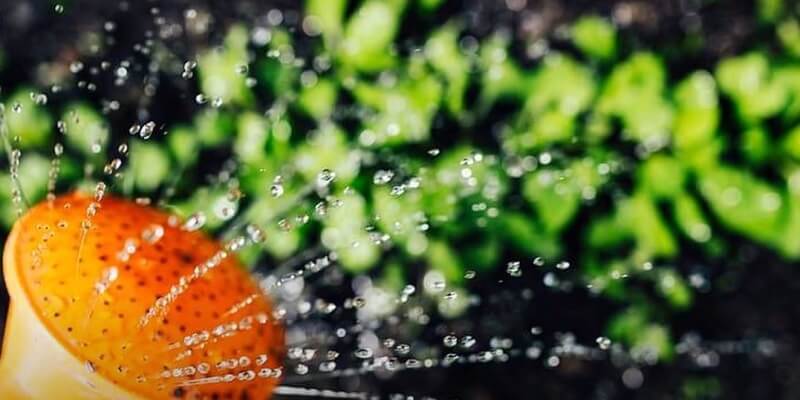
How often to water a vegetable garden depends on various factors such as climate, soil type, and the specific needs of your plants. As a general recommendation, aim for a watering schedule 2-3 times per week during the growing season. However, you need to adapt this frequency based on regional variations, weather conditions and the individual needs of different vegetables.
Regularly assess soil moisture, adjusting your watering regimen to ensure plants get adequate moisture without the risk of overwatering or overwatering. Observing your garden’s response and taking note of environmental cues will help you find the right balance for optimal plant health and productivity.
How Often Water Garden
Environmental factors such as humidity, temperature, and wind have a significant impact on your garden’s water needs.
Humid climates, for example, mean that plants need less water than in dry climates. High temperatures also increase plants’ water needs. Strong winds can speed up the evaporation of water from the soil.
It’s also crucial to adapt your watering schedule depending on the type of vegetables you’re growing.
Some vegetables, such as cucumbers, tomatoes, and peppers, need plenty of water. Others, like carrots, onions, and cabbage, need less water.
To ensure that plants get the right amount of water, it is important to consider all the factors affecting watering frequency and properly watering plants.
The frequency of watering a vegetable garden depends on the climate- In regions with hot climates, plants need more water than in cool climates. Plants can die from drought in hot weather in just a few days. Therefore, hot regions need to be watered more often than cool regions.
Soil composition- Sandy soils dry out quickly, so plants growing on such soils must be watered more often. Clay soils, on the other hand, are slow to dry out, so plants growing on these soils need less frequent watering.
Type of crop- Some crops, such as cucumbers, tomatoes, and peppers, need much water. Other crops, such as carrots, onions, and cabbage, need less water.
The age of the plant- Young plants that have just been planted need more frequent watering than mature plants. Mature plants already have a well-developed root system that can draw water from deeper into the soil.
From the time of year- When the weather is cooler in spring and fall, plants need less water than in summer. Plants need more water in summer when the weather is hot and dry.
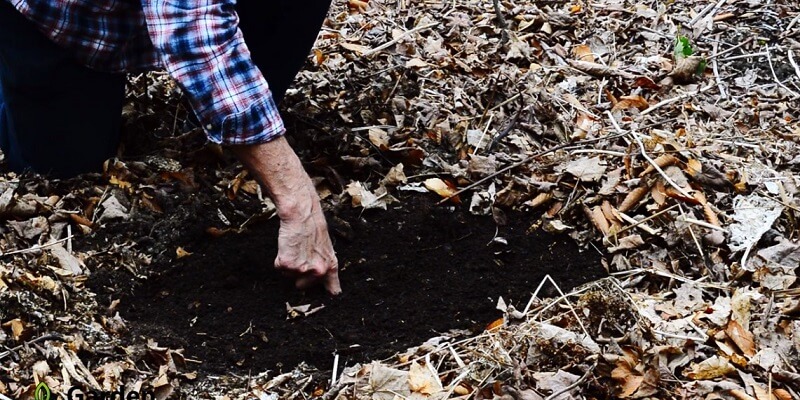
When and How Much to Water Vegetable Garden
Determining when your garden needs watering is an acquired skill.
Various methods can help you accurately assess soil moisture levels, from the traditional finger test to modern moisture meters. You can use the following methods to determine if it’s time to water your vegetable garden:
Soil probe: a soil probe allows you to assess moisture levels at various depths. This method is beneficial in regions with variable climates.
The finger test is a classic method. Insert your finger into the soil up to the second joint. Water when you feel dryness. This method applies to different regions and plant types.
Using a moisture meter. A moisture meter allows you to determine the moisture content of the soil using a special sensor. For those looking to improve their gardening skills, moisture meters are invaluable. These devices provide instant information about soil moisture levels, eliminating guesswork.
Wilting leaves, especially during non-hot periods, can indicate water needs. However, this method requires familiarity with your particular plants.
Watering Needs of Vegetables
The watering rate depends on the type of crop. On average, about 10-20 liters of water are needed to water one square meter of vegetable garden. Young plants should be watered more often and with less water than mature plants. In hot weather, plants need more water.
Best Times to Water Vegetable Garden
The best time to water a vegetable garden is in the morning or evening. At this time, the sun is not so bright, so the water does not evaporate too quickly.
Watering should be abundant so that the water penetrates to the depth of the roots. Do not water plants in the heat of the day when the sun is at its zenith.
Golden Rules for Watering Garden
Although there are regional differences, some golden rules apply universally:
- Morning watering- Regardless of your region, try to water in the morning. This allows plants to absorb moisture before the heat of the day, reducing the risk of disease.
- Deep watering- Encourage deep root growth by watering abundantly but less frequently. This is a fundamental principle applicable in all regions.
- Soil quality is critical-Well-drained soil is critical. Adjust the soil composition so that water reaches the roots without causing overwatering.
Mulching-Mulch acts as a natural moisture regulator. Apply a layer of mulch around plants to keep the soil moist and suppress weeds. - Observation is key- Understand your garden’s unique needs by observing plant responses. Adjust your watering schedule based on visual cues and plant health.
- Utilize drip irrigation- Drip irrigation allows you to deliver water directly to your plants’ roots, reducing water loss to evaporation. I use a drip irrigation system in my vegetable garden. It allows me to water my plants evenly and not spend extra time watering.
- Install an auto irrigation system- An auto irrigation system allows you to water your plants automatically, which frees up time for other things. I think an auto-irrigation system is a great option for those who want a good crop, but don’t have enough time to water plants manually.
By following these tips, you can provide your plants with the right amount of water and get a good harvest.
Watering Frequency of Different Vegetables and Fruits
Different vegetables have varying degrees of thirst. In my experience, leafy greens may require more frequent watering, while root vegetables can tolerate drier conditions. I highly recommend tailoring watering to the specific needs of each type of plant.
| Vegetable/Fruit | Recommended Frequency of Watering |
|---|---|
| Tomatoes | 2-3 times per week, deep watering |
| Lettuce | 1-2 times per week, consistent moisture |
| Cucumbers | 2-3 times per week, especially during fruiting |
| Bell Peppers | 1-2 times per week, deep watering |
| Strawberries | Regular watering, avoiding water on foliage |
| Zucchini | 2-3 times per week, consistent moisture |
| Blueberries | Regular watering, maintaining soil acidity |
| Carrots | Deep, infrequent watering to encourage root growth |
| Apples | Regular watering during dry spells |
| Spinach | 1-2 times per week, consistent moisture |
These are, of course, average values. Adapt the frequency depending on your regional climate and soil conditions.
How to Avoid Watering Mistakes
One common mistake is overwatering, leading to root rot and other problems. To prevent overwatering, use well-drained soil and don’t water on a fixed schedule. Allow the soil to dry out slightly between waterings. Conversely, if you notice signs of flooding, adjust a gradual increase in frequency.
Do not water plants too frequently to prevent root rot.
Do not water plants with water that is too cold. Cold water can stress plants.
Do not water plants in full sun. The water evaporates quickly and the roots do not have time to absorb the necessary amount of water.
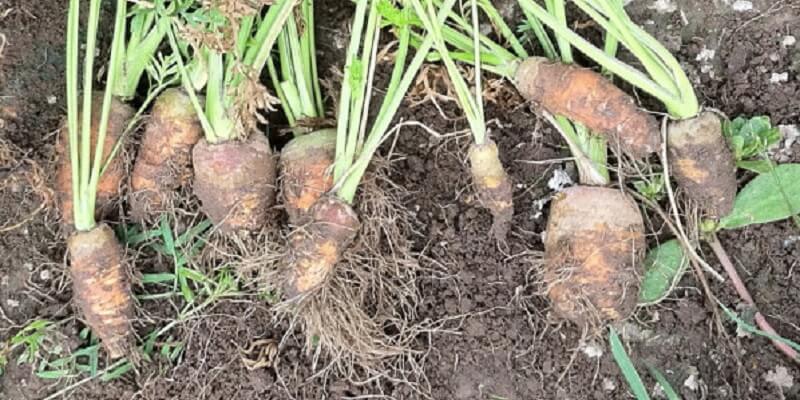
Identifying Overwatering
Overwatering can be just as harmful as underwatering.
It is one of the most common mistakes gardeners make. It can lead to a whole host of problems. Here’s how you can identify it:
Wet soil. Consistently wet or overwatered soil is a clear sign of overwatering. The soil should be moist but not over-saturated.
Yellowing leaves. Yellow leaves can indicate overwatering, especially if accompanied by a drooping appearance. This is a common problem in regions with high rainfall.
Fungal growth. Excessive moisture creates a favorable environment for fungi. If you notice mold or fungi, you may be overwatering.
Recognizing Inadequate Watering
If you want a good harvest, you’d better avoid underwatering, which is also a problem.
Here are some tips to help you recognize underwatering in time. Pay attention to these signs:
Leaf wilting. While wilting can be a sign of overwatering and underwatering, persistent wilting, especially during cooler times of the day, suggests underwatering.
Dry, cracked soil. If the soil appears dry and cracked, your plants aren’t getting enough water. This is especially common in arid regions.
Stunted growth. Lack of water makes it difficult for nutrients to be absorbed, resulting in stunted growth. Compare your plant’s growth to typical expectations for your region.
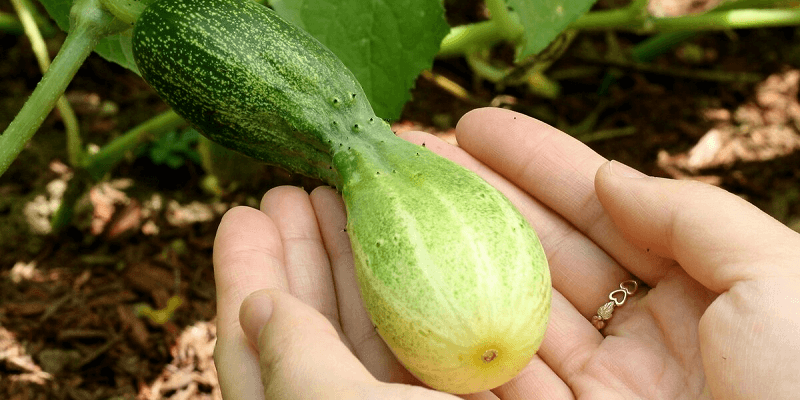
Determining Watering Errors by the Condition of Vegetables and Fruits:
To determine if vegetables have been watered properly, it is important to observe their condition closely.
Here are a few signs that may indicate that vegetables have been watered too little or too much:
Tomatoes
- Too little: wilting during cooler times of the day, dry and cracked soil.
- Too much: yellowing leaves, damp soil, and potential fungal diseases.
Lettuce
- Too little: wilting, darkening of leaf edges, and an overall wilted appearance.
- Too much: yellowing of leaves, especially in the lower parts, and waterlogged appearance.
Cucumbers
- Too little: wilting, stunted growth, and bitter fruit.
- Too much: yellowing leaves, mold problems, and too soft cucumbers.
Bell peppers
- Too little: drooping leaves, stunted growth, wrinkled or leathery pepper skins.
- Too much: yellowing of leaves, especially lower leaves, lack of fruit set.
Strawberries
- Too little: wilting, reduced flowering, and small, underdeveloped berries.
- Too much: mold on berries, soft spots, and generally unhealthy appearance.
Zucchini
- Too little: wilting, stunted growth, and potentially bitter fruit.
- Too much: yellowing of leaves, especially older leaves, and too soft zucchini.
Blueberries
- Too little: wilting, reduced berry yield, and small, dry berries.
- Too many: yellowing of leaves, especially around the edges, lack of sweetness in berries.
Carrots
- Too little: carrots wilt, stunted growth, smaller and deformed.
- Too many: split or cracked carrots, mold problems, and overly foliage.
Apples
- Too few: wilting, reduced fruit size, and potential premature fruit drop.
- Too much: yellowing of leaves, especially at the bottom of the crown, lack of sweetness in apples.
Spinach
- Too little: wilting, slow growth, and small, stiff leaves.
- Too much: yellowing of leaves, especially between veins, slimy or soft texture.
For each vegetable, watch closely for signs of stress, check soil moisture regularly, and adjust watering.
Remember, it is important to find a balance to ensure optimal growth and productivity while avoiding the pitfalls of both drought and overwatering.
Change the Watering
Growing vegetables requires regular watering, but it is important to adjust the amount of water depending on the stage of plant development.
There are general principles such as:
- Early growth: Frequent, shallow watering promotes rapid growth and establishment.
- Fruiting: Slightly reduce the watering frequency to stimulate fruit development and prevent cracking.
- Maturation: Vary the amount of water according to yield and desired qualities.
Crop-specific irrigation management
Adjusting irrigation based on the stage of ripening ensures that each garden crop receives the right amount of water at the right time to help improve the flavor, texture, and overall quality of the crop.
Tomatoes
- Early growth: Water daily or every other day to keep the soil moist.
- Fruiting: Reduce watering frequency to 2-3 times per week.
- Maturation: Reduce watering to a minimum to concentrate sugars and improve flavor. Avoid overwatering, which can lead to cracking and paling.
Lettuce
- Increase watering: Increase watering for crisp and juicy lettuce as the sprouts approach maturity. Sufficient water provides a dense and well-moisturized texture.
- Reduced watering: reduce watering as lettuce approaches full maturity to prevent overwatering the leaves and maintain the desired freshness.
Cucumbers
- Early growth: Water daily to maintain rapid vegetative growth.
- Fruiting: Maintain consistent, moderate watering to prevent bitterness and encourage fruit size.
- Maturation: Water sparingly to prevent overwatering, which can lead to watery and tasteless fruit.
Bell peppers
- Early growth: Water daily to promote strong root development.
- Fruiting: Maintain constant, moderate watering to prevent blossom tip rot.
- Maturation: Reduce watering slightly to increase sweetness and flavor intensity.
Strawberries
- Early growth: Water regularly to promote shoot formation and rooting.
- Fruiting: Maintain constant, moderate watering to encourage fruit size and prevent blossom tip rot.
- Maturation: Reduce watering slightly to improve sweetness and flavor. Monitor soil moisture closely to avoid overwatering.
Zucchini
- Increase irrigation: increase water supply as zucchini develops to support steady fruit growth.
- Decreasing irrigation: Reduce watering as zucchini matures to avoid a too-soft texture and improve flavor.
Blueberries
- Early growth: Water regularly to support rooting and early plant growth.
- Fruiting: Maintain consistent, moderate watering to promote fruit development and prevent fall.
- Maturation: Gradually reduce watering to concentrate sugars and improve flavor. Avoid overwatering, resulting in soft berries and a shortened shelf life.
Carrots
- Increase irrigation: Provide consistent moisture as carrots develop to promote upright growth and prevent branching.
- Reduced irrigation: Reduce irrigation as carrots approach maturity to concentrate flavor and prevent overwatering or spongy texture.
Apples
- Early growth: Water regularly to encourage shoot growth and leaf development.
- Fruiting: Maintain constant moderate watering to maintain fruit size and prevent fruit fall.
- Maturation: Gradually reduce watering to increase sugar content and improve flavor. Monitor soil moisture and fruit size for optimal water management.
Spinach
- Increase irrigation: increase water supply in the early stages of spinach growth to allow the leaves to become tender.
- Decreasing irrigation: gradually reduce watering as spinach leaves reach full size to prevent overwatering or softening of the texture.
Broccoli
- Increase irrigation: Provide consistent moisture during the sprouting stage to support large, compact sprouts.
- Reduced irrigation: Reduce irrigation as broccoli heads mature to improve flavor and prevent waterlogging of the florets.
Cabbage
- Increase watering: increase watering as cabbage sprouts form to ensure a dense and crisp texture.
- Continue watering daily to keep the leaves crisp and prevent them from wilting.
Radishes
- Increase watering: increase watering during radish root development for a crisp and juicy texture.
- Decreasing watering: reduce watering when radishes reach full size to concentrate flavor and prevent loosening.
Cauliflower
- Increase watering: provide consistent moisture during cauliflower curd formation for large, well-developed cauliflower sprouts.
- Decreasing watering: reduce watering as cauliflower matures to avoid overwatering or softening of the texture.
Peas
- Increase irrigation: increase watering during pea pod formation to keep peas plump and sweet.
- Decreasing Irrigation: Gradually reduce irrigation as peas reach full maturity to concentrate sweetness and prevent peas from over-softening.
Raspberries
- Increase irrigation: Provide adequate water at maturity to increase berry size and sweetness.
- Reduced irrigation: Reduce irrigation as raspberries fully ripen to concentrate flavor and prevent overwatering of the texture.
Blackberries
Water regularly to encourage vigorous cane growth and flower bud development. Maintain consistent moderate watering to promote fruit development and prevent berry fall. Gradually reduce watering to concentrate sugars and improve flavor.
Peppers (hot varieties)
- Increase watering: Increase watering at maturity to increase the size and spiciness of hot peppers.
- Decreasing watering: Decrease watering as hot peppers fully ripen to concentrate heat and prevent waterlogging of peppers.
Onions
- Increase watering: provide enough water during bulb formation to keep onions plump and crisp.
- Decreasing watering: reduce watering as onions mature to improve flavor and promote proper curing.
Squash
- Early growth: Water regularly to ensure proper vine establishment.
- Fruiting: Maintain moderate watering for fruit development.
- Maturation: Reduce watering slightly to concentrate sugars and improve flavor. Avoid overwatering, which can lead to watery flesh and shortened shelf life.
Melons
- Early growth: Water deeply and regularly to support rapid vine growth.
- Fruiting: Maintain consistent, moderate watering to increase fruit size and prevent cracking.
- Maturation: Reduce watering significantly to avoid overwatering, which can lead to watery flesh and flavorlessness. Monitor Brix levels for optimum sugar content.
Pears
- Early growth: Water regularly to support rapid growth and rooting of the tree.
- Fruiting: Maintain constant, moderate watering to help increase fruit size and prevent cracking.
- Maturation: Reduce watering slightly to improve flavor and sweetness. Monitor soil moisture and fruit size for optimal water management.
Peaches
- Early growth: Water regularly to maintain vigorous shoot growth.
- Fruiting: Maintain consistent moderate watering to increase fruit size and prevent fall.
- Maturation: Reduce watering slightly to improve flavor and sweetness. Monitor soil moisture and fruit size for optimal water management.
Eggplant
Water daily or every other day to keep the soil moist. Reduce watering frequency to 2-3 times per week. Keep watering to a minimum to prevent bitterness and encourage fruit size.
Cranberries
Water regularly to keep the soil moist but not soggy. Maintain consistent moderate watering to support fruit development and prevent fruit fall. Avoid overwatering during fruit ripening to prevent fruit rot.
Important Notes: These are only general recommendations. The specific timing and amount of watering depends on several factors, including climate, soil type, plant variety and individual gardeners’ preferences. Observe plants closely and adjust watering for yield and fruit quality.
Conclusion
Whether you’re growing a garden in the arid southwest or the humid southeast, a personalized approach is key. Observing visual cues, using reliable methods, and adjusting your techniques to meet your garden’s unique needs.
Frequently Asked Questions
Is it better to water in the morning or the evening?
I recommend watering in the morning, ideally before 10 am to minimize evaporation and provide plants with moisture in the day’s heat.
Are there alternative watering methods I can try?
Consider exploring drip irrigation systems, rain barrels, and self-watering container gardens for efficient and sustainable watering solutions.
Can I rely solely on automated irrigation systems for watering?
While automated systems are convenient, supplement them with manual checks and adjustments based on visual cues for optimal results.
Are there special watering requirements for raised beds?
Raised beds may require more frequent watering due to increased drainage. Monitor soil moisture regularly and adjust accordingly.
Can overwatering be reversed?
Yes, reduce watering frequency and improve soil drainage, allowing the soil to dry out and recover.